
My articles about motorcycles through the ages
Sort
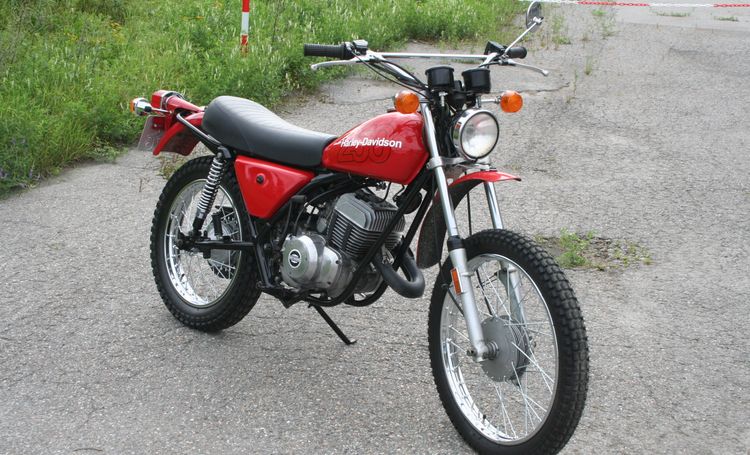
Harley-Davidson AMF SX250
Who would have thought that a cross between an American and an Italian motorcycle manufacturer would produce an "offspring" that was confusingly similar to a Japanese-made off-roader? We've taken a closer look at just such a "brand hybrid", a very rare Harley-Davidson , manufactured in Italy, badged as Harley-Davidson , and owned by AMF. Complicated? No, not really.
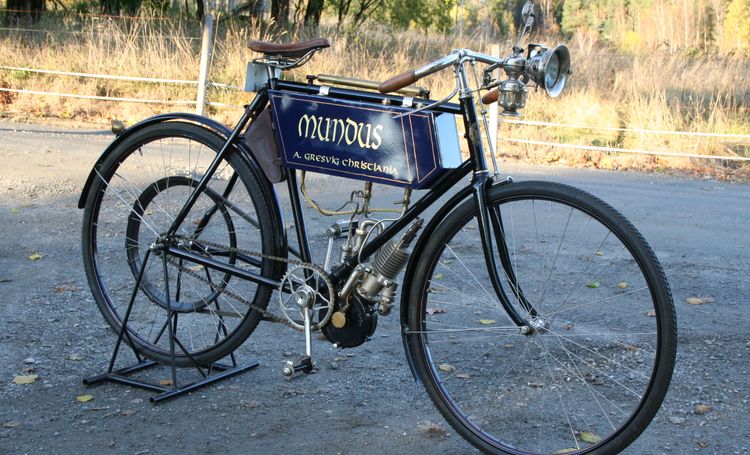
Gresvig-Mundus
Towards the end of the 19th century, many people had the idea that pedal bicycles could be suitable as motorized means of transportation. A number of pedal bicycle manufacturers were either acquired by engine manufacturers, or chose to purchase engines with the aim of motorizing their own pedal bicycles.

Yamaha ZX550 Vision
At the beginning of the 1980s, several of the major motorcycle manufacturers were experimenting with design. The soft lines and teardrop-shaped fuel tanks of the 1970s were considered old-fashioned, and new designs were now characteristic of a number of brands. Straight lines, angles and edges were “in”, but this was not always successful.
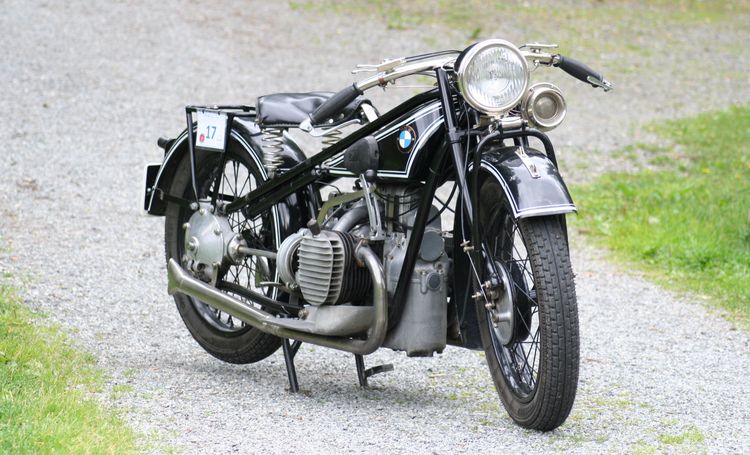
BMW R52
The Max Fritz R32, which was unveiled in Paris in 1923, was the starting point for BMW's motorcycle production. Few brands and models have been blessed with the success that the R series was to achieve, and which will celebrate its 100th anniversary in 2023. And the R is still going strong!
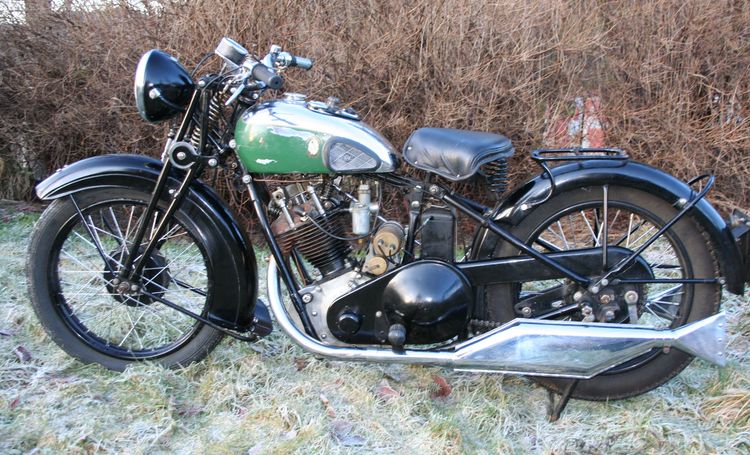
BSA 500 S32-8 Deluxe
The Model S, also known as the “Sloper”, represents an important era in BSA factory’s model development. The period from its inception in 1903 until 1926 was characterized by sturdy and reliable machines, while the Sloper, which went on sale in the fall of 1926, represented something new and more sporty. The Sloper became a trendsetter, paving the way for the legendary STAR series.
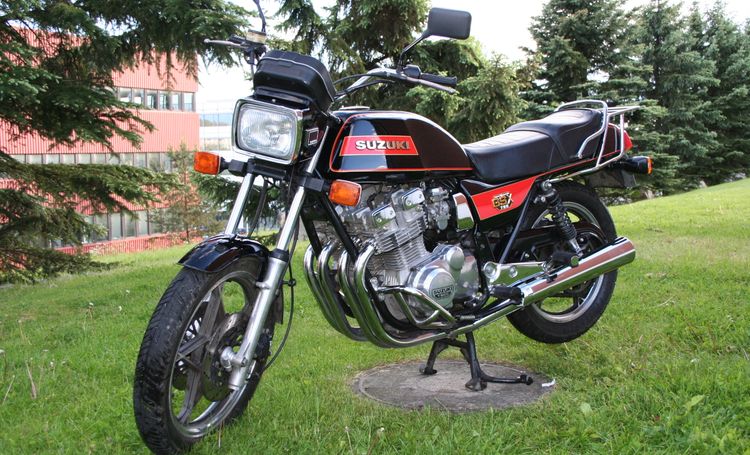
Suzuki GSX750ET
1980 marks a turning point for Suzuki . The 2-strokes were gone from the sales brochures, and the old GS series was on its last legs. It was time for the new 4-stroke GSX series. New design and new technology showed the way into the future!
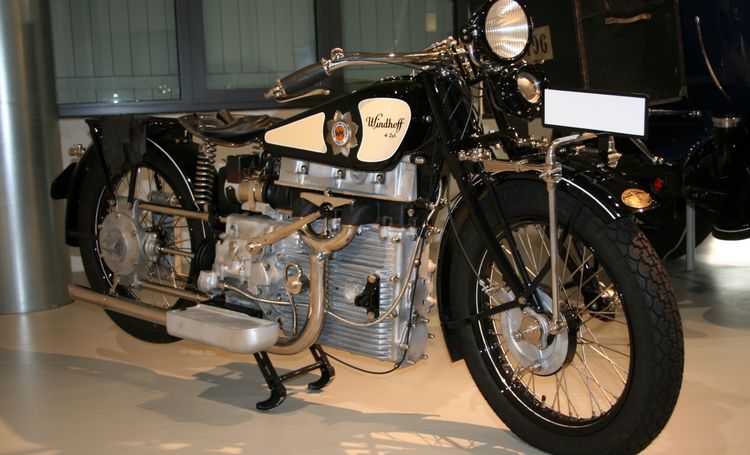
Windhoff 750
Windhoff is a rare piece of German engineering. The small manufacturer based in Berlin mainly produced small 2-strokes, but as you know, there is something called “no rule without an exception”. Towards the end of the 1920s, this resulted in Windhoff Motorenbau trying its hand at larger and heavier motorcycles. The result was a spectacular and eye-catching 750 cc inline-four.
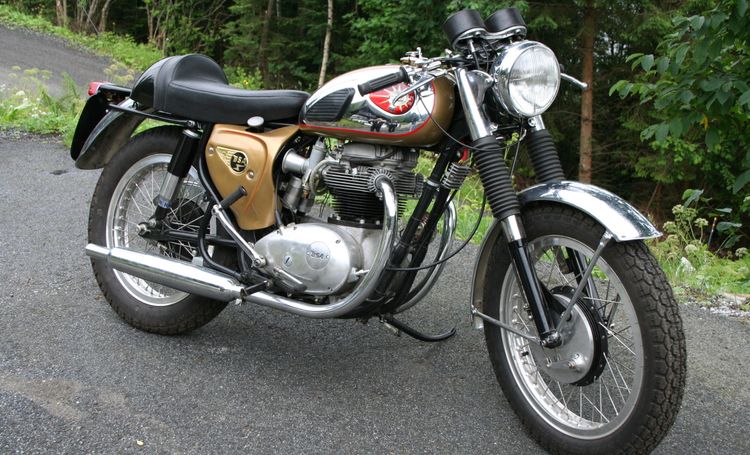
BSA 650 Lightning Clubman
Race replicas have always had a big appeal among motorcycle riders. These types of bikes have that little something extra that sets them apart from the dozen bikes, and they give an extra sense of speed and excitement, not to mention the status. Every motorcycle manufacturer with any respect for itself has or has had such a model in its sales brochures, and the 650 Lightning Clubman was BSA's alibi in this segment.
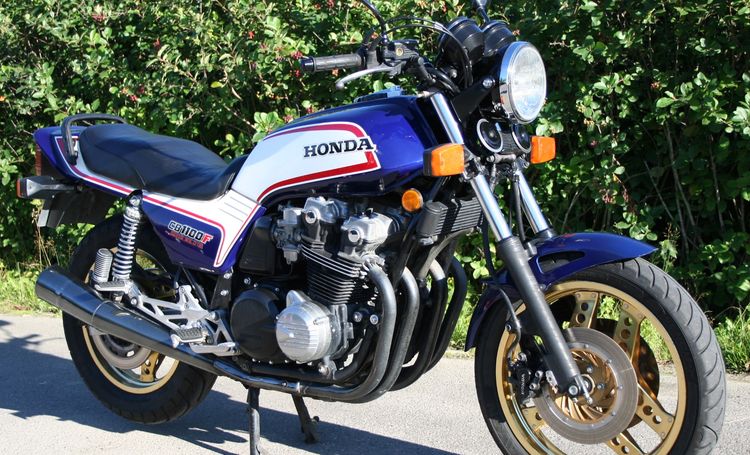
Honda CB1100F Super Bol d`or
When Honda launched the CB1100F Super Bol D`Or in 1983, it marked in many ways the end of an era of air-cooled inline-fours that had begun in 1968 with the legendary CB750 Four. The new 1100cc machine had clear parallels to its 1960s ancestor, while at the same time being a modern motorcycle adapted to the speed demands of the 1980s.
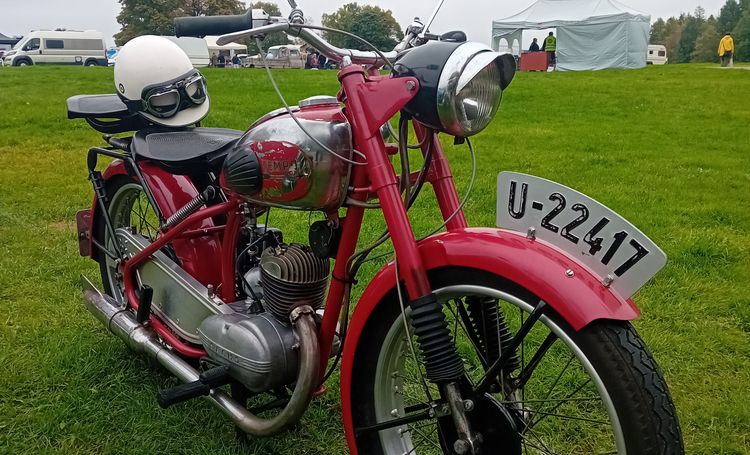
Tempo Standard 150
Tempo Standard was the motorcycle that, more than any other motorcycle, propelled the nation in the years after World War II. The first model, the Standard 20, was launched in 1951, and had the very solid and reliable 147cc Sachs engine. The Standard was Tempo's first battery-powered motorcycle.
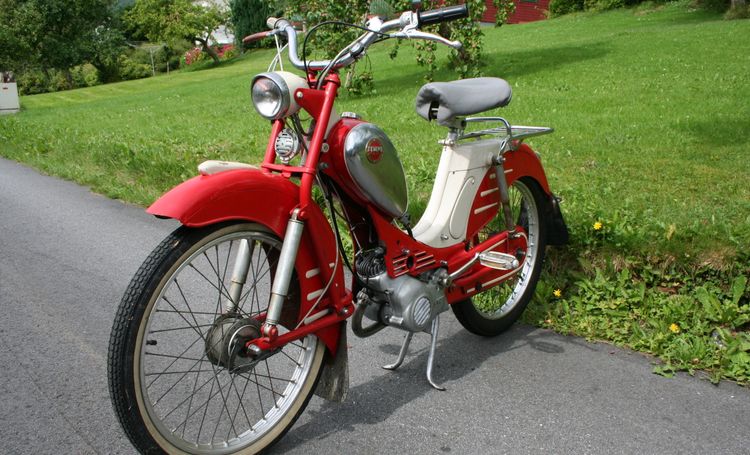
Tempo Swing 50
Tempo 's motorcycles and mopeds shaped Norwegian transportation history more than any other brand for several decades after 1945. They were solid, affordable, and easy to maintain.
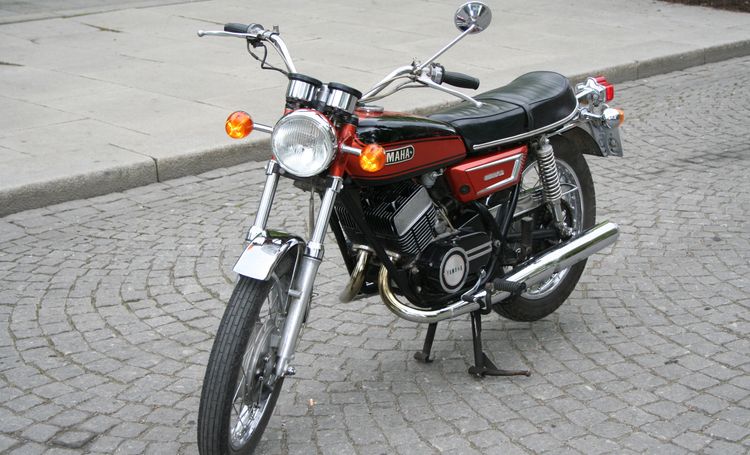
Yamaha 350 Street R5`F
"It's a better machine," Yamaha wrote in the sales brochure promoting the new 350-cubic meter in 1970, followed by the statement "This new and exciting motorcycle from the world's leader in motorcycle engineering Yamaha ". Big words, but then modesty has rarely been a sales trick. Regardless, the R5`F became a very popular motorcycle that brought in a lot of money at Yamaha .
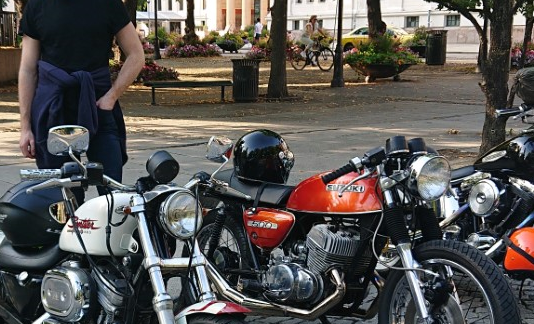
Suzuki GT-500 Cafe Racer
“Everything was better before,” an old motorcycle enthusiast told me one Wednesday evening in the capital when he spotted this mischievous cafe racer, built on a 70s Suzuki 500cc 2-stroke engine. “Do you think it’s English that counts?” I asked, knowing full well that this part of motorcycle culture originated in England. The answer came immediately.
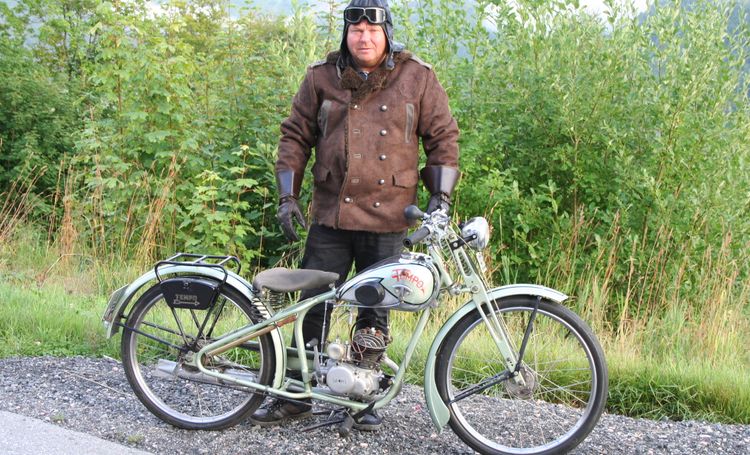
TEMPO Sports 98
“It costs money to be a man, at least if we turn back time,” laughs Per-Arne Heltne, referring to what the Tempoen cost new in 1938. “You know that 700 kroner was a considerable amount at the time, especially for a Sunnmøre resident,” he adds, laughing out loud. I sense a hint of self-irony considering that Per-Arne actually lives in Sunnmøre, more specifically in Volda. Per-Arne’s “Sport” is the model with a Sachs engine that has 2 gears. The Sport was also delivered with an engine from the English Villiers , and it had 3 gears. Per-Arne’s bike has a complete “equipment package” consisting of a bicycle pump, toolbox and hand tools.
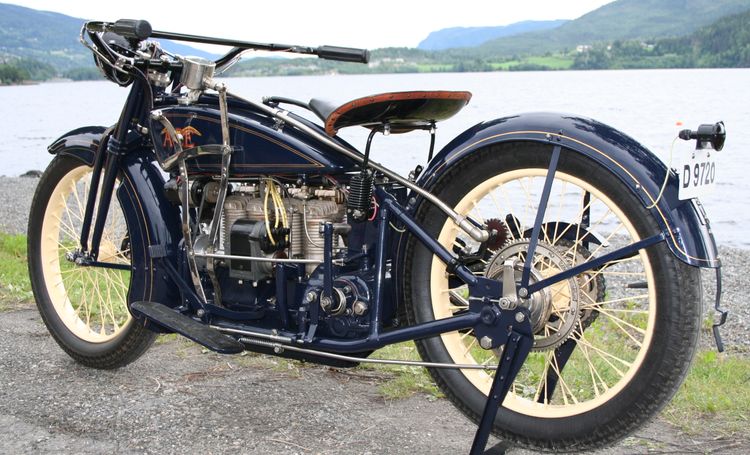
ACE Sporting Solo
Brothers Thomas and William Henderson established Henderson in Detroit in 1911. The two were enterprising founders, and Henderson's Inline-fours were solid and sturdy motorcycles. In 1917, they sold the company to Ignaz Schwinn who owned Excelsior . The Henderson brothers worked for Excelsior for a couple of years, but then decided to follow their dream of building their own motorcycle. Thus, Ace Motor Corporation was established in Philadelphia in 1919 with the goal of building a new motorcycle, a machine that was modern, fast and minimalist. It was a sports machine, which is what the ACE was actually to become. The brand was among the more exclusive motorcycles of its time. ACE took performance and power to new heights, and was chosen by customers who set the bar high in terms of technical sophistication, had thick wallets, and who were not satisfied with everyday machines such as Indian and Harley-Davidson .
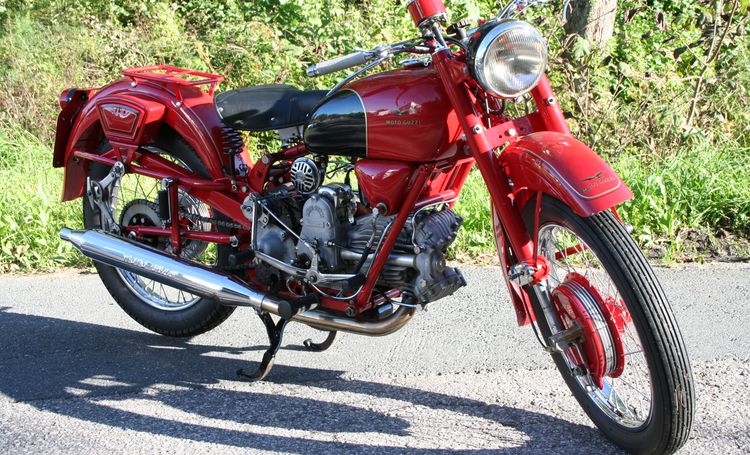
Moto Guzzi Falcone 500
When Moto Guzzi launched the “flat-single” Falcone 500 in 1950, they built a motorcycle that was essentially out of date in terms of design and technology. Nevertheless, the model remained very popular until well into the 1960s. How was this possible?
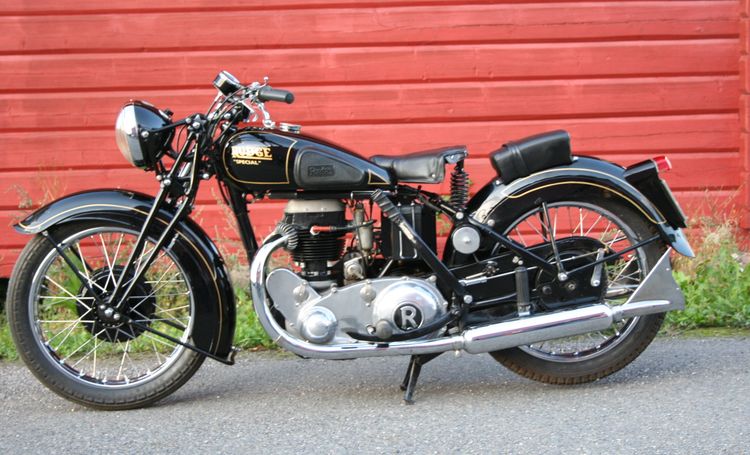
Rudge 500 Special
Among the many English motorcycle manufacturers, there were some brands that stood out from the crowd by being early adopters of advanced technology. Rudge , which produced motorcycles from 1911 to 1939, was known for reliability, quality, innovation and last but not least sporty machines. I have dug a little into the brand's history, and took a closer look at a "500 Special" from 1937.
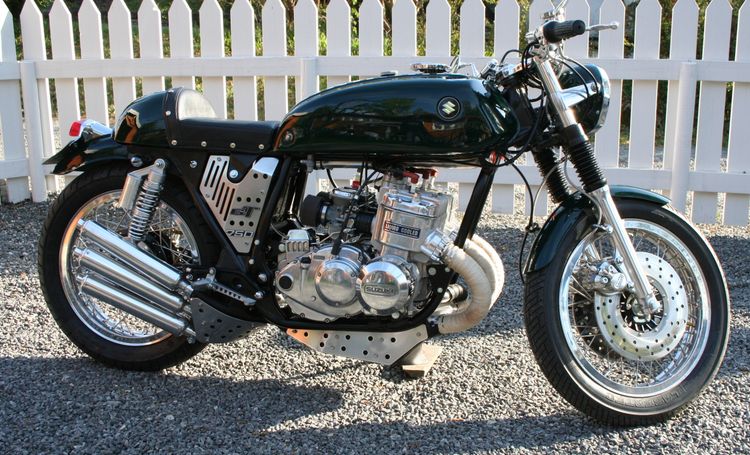
Suzuki GT750 cafe racer
The cafe racer cult that emerged in England after World War II had its cultural heyday in the 1950s and 1960s. The minimalist motorcycles, built on an English twin, were the favorite machine of the guys in an environment often referred to as “Rockers”. The rockers were most often young men from the working class, and they left their mark. The hearth, “The Ace-Cafe” in London, is still the most central gathering place in England where it originated. The cult has been mentioned in a number of books, and pictures of young men in leather jackets and boots, on fast bikes, built in a minimalist and racing design, have inspired many owners to build their own cafe racer. But, does a real cafe racer have to be built based on an English motorcycle? It was like that for a long time, until the basic idea was challenged from different quarters, and motorcycles produced outside England became subject to conversion. This particular Suzuki, a GT 750 from 1973, is an excellent example of the "species", and a real challenger to the more traditional English cafe racers. The motorcycle was built by Magne Valhaug from Lørenskog, and enjoy the pictures, we are talking mechanical competence and an eye for design, at a high level.
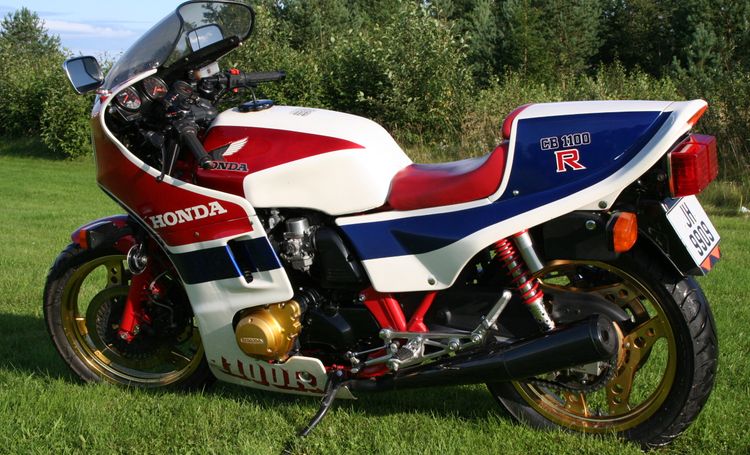
Honda CB1100R
When Honda launched its new sports machine CB 1100R in 1981, the bike that is considered the first modern R-machine was born. Many would argue that Suzuki GSX-R 750 from 1985 was the first to meet the R criteria, but is this true? The story behind Honda's first modern superbike actually begins in 1976. That year, Honda took home victory in the legendary 24-hour Bol d'Or race at the Paul Ricard circuit in France, and Honda repeated the feat in both 1977 and 1978. Such success could not go unnoticed, and a model adapted for street use was bound to follow.
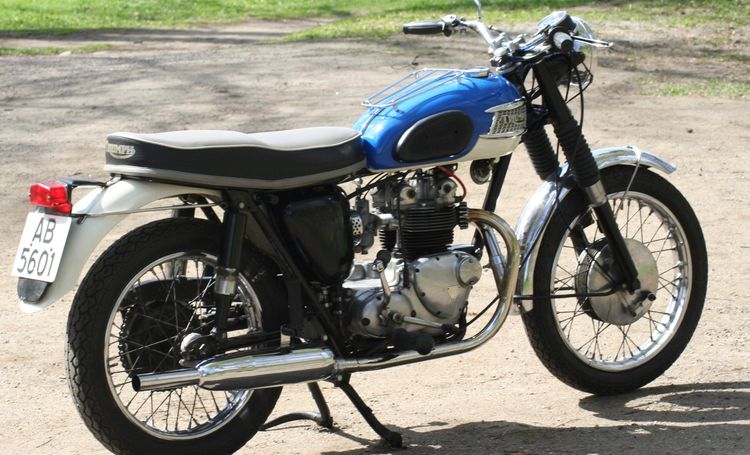
Triumph 350 3TA
In the years after World War II, smaller motorcycles provided the daily transportation needs of the "man in the street." Motorcycles with a displacement of 350 cc were more than big enough for many, and one of these was Triumph's commuter bike "Twenty One," whose model designation referred to the bike's displacement in cubic inches.
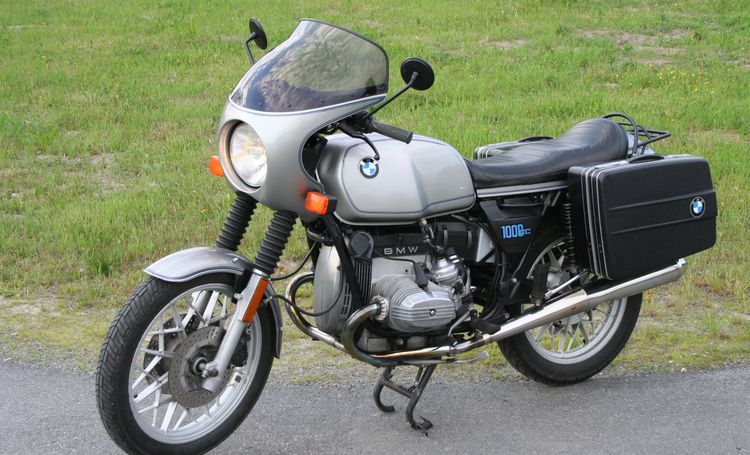
BMW R100CS
How were the handling characteristics of 1980s bikes? I borrowed a 1982 BMW , a model that is well within the limits of veteran status, to test out what it has to offer on the road, and I was not disappointed at all.
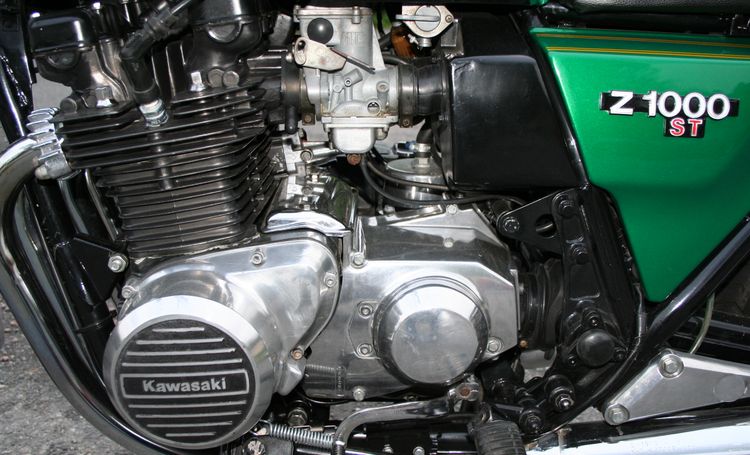
Kawasaki Z1000ST
Then Kawasaki began production of the Z1000ST in 1979, the idea was to offer customers a sports tourer that was a lighter and more affordable alternative to the supersix Z1300. The Z1000ST was very reminiscent of the 1300cc model in terms of both design and technical solutions, but with a lower price tag.
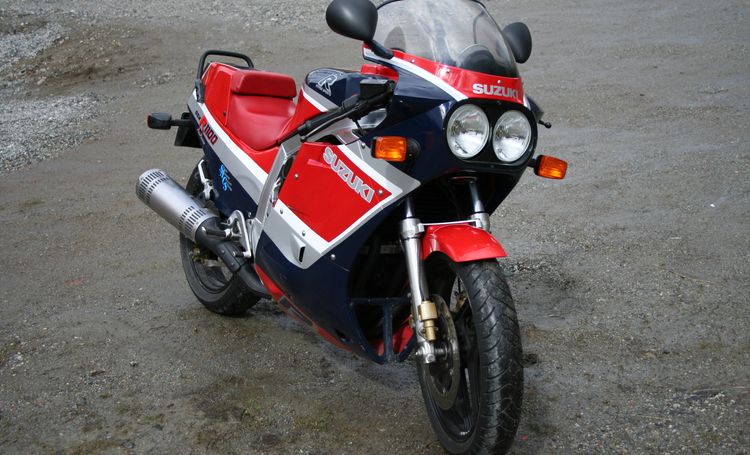
Suzuki GSX-R 1100
Once you've said A, you often have to say B. In this sense, Suzuki had to follow up the success of the GSX-R750, which came out in 1985, with an 1100 version. It came out the very next year, in 1986. We've taken a closer look at the R-bike, which can actually claim the title of "veteran motorcycle."
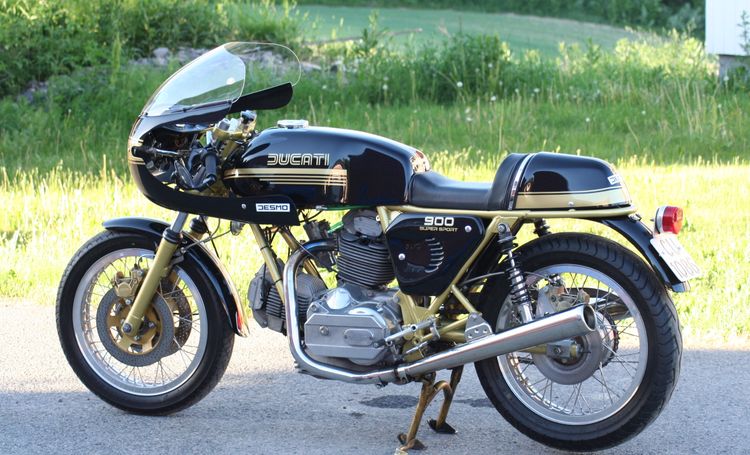
Ducati 900 Super Sport
Some bikes become legendary, others become second nature. That this happens is no coincidence, but a consequence of the mix between style, sturk, and "performance". We've taken a look at Ducati's superbike from the late 70s, more specifically the legendary 900 Super Sport.
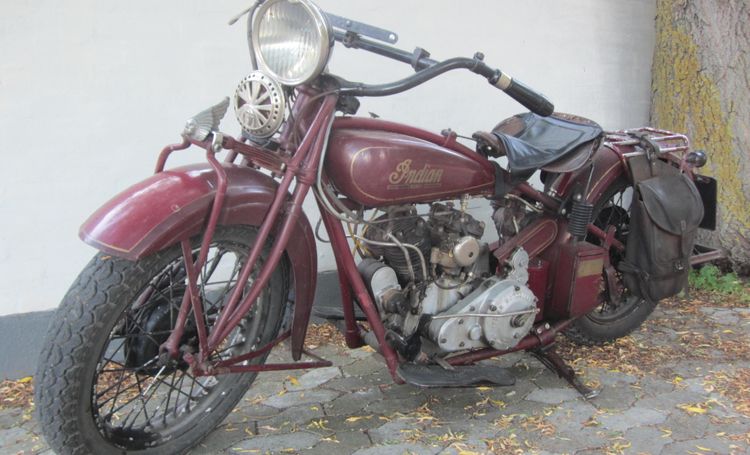
Indian 101 Scout
Original vintage bikes with solid patina are actually a rare commodity. Most people understandably enjoy the process of restoring their vintage motorcycle. This is a process that involves both a social network in the search for parts and not least dozens of coffee cups in the garage where the vintage motorcycle is recreated bit by bit. Some, however, choose originality and patina. So I went down to Jutland to visit Ove “Bøf” Jensen and look at his Indian 101 Scout from 1931.