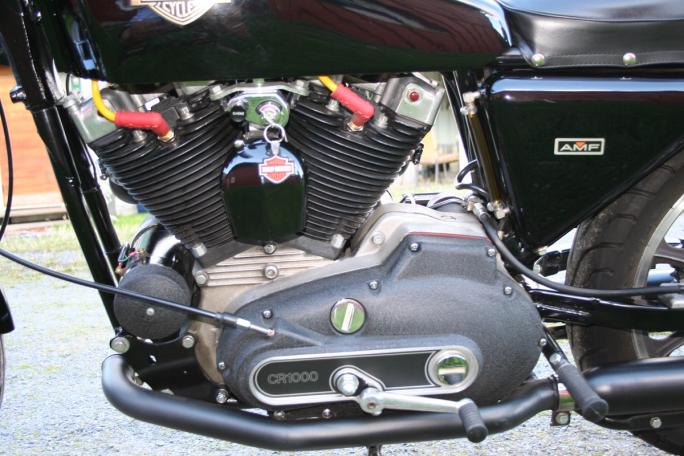
Harley-Davidson XLCR1000
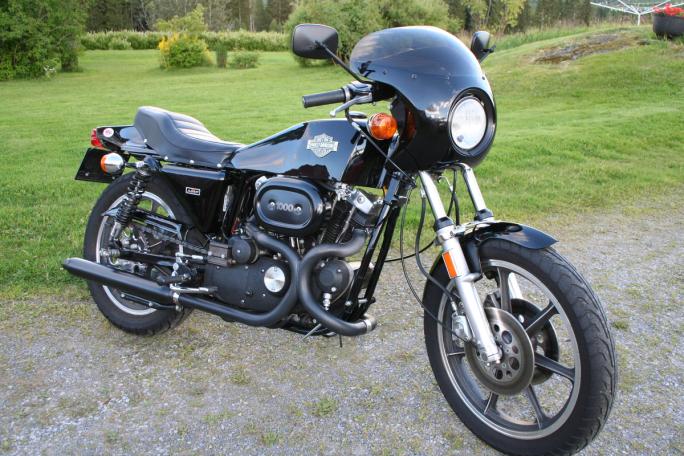
One of the truly rare models from Harley Davidson is the cafe racer XLCR 1000, from 1977. The model is a very atypical Harley, which has made it a sought-after motorcycle for collectors.
One of the truly rare models from Harley Davidson is the cafe racer XLCR 1000, from 1977. The model is a very atypical Harley, which has made it a sought-after motorcycle for collectors.
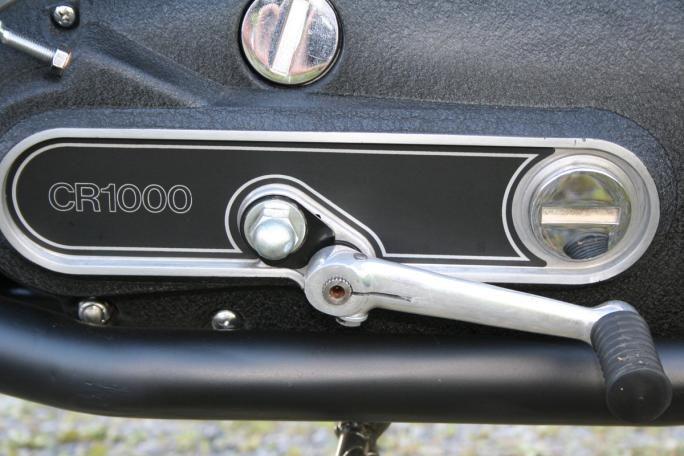
Much can be said about Harley-Davidson model development under AMF ownership (1969-1981), and often the focus has been on the bikes' lack of quality. However, if we focus on design, then some exciting models were actually rolled out during this turbulent era in Harley's history. One of these models is the XLCR 1000 cafe racer, a spectacular Harley that came about from an idea and collaboration between Willie G. Davidson, Bob Modero and Jim Haubert.
Much can be said about Harley-Davidson 's model development under AMF ownership (1969-1981), and often the focus has been on the bikes' lack of quality. However, if we focus on design, then some exciting models were actually rolled out during this turbulent era in Harley's history. One of these models is the XLCR 1000 cafe racer, a spectacular Harley that came about from an idea and collaboration between Willie G. Davidson, Bob Modero and Jim Haubert.
The XLCR 1000 was largely the result of an idea that took shape in the mind of Willie G. Davidson, who had a hand in the development of the Sportster in the early 1970s.
The XLCR 1000 was largely the result of an idea that took shape in the mind of Willie G. Davidson, and which had its starting point in Harley's legendary " Sportster ." Willie had more than a hand in the development of the FX in the early 1970s.
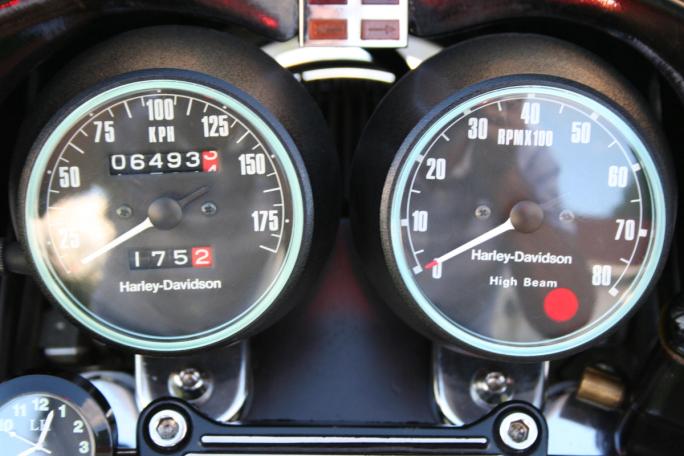
When a new model with a sporty feel was to be developed, the focus was on Europe and English motorcycle production. Here the development team found inspiration from the cafe racer cult, and based on the Sportster, Harley's cafe racer saw the light of day.
When a new model with a sporty feel was to be developed, the focus was on European and English motorcycle production. Here the development team found inspiration from the cafe racer cult, and based on the Sportster , Harley's cafe racer saw the light of day.
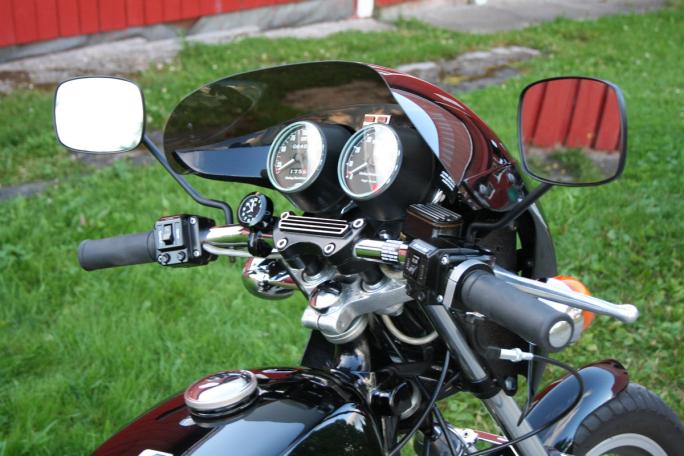
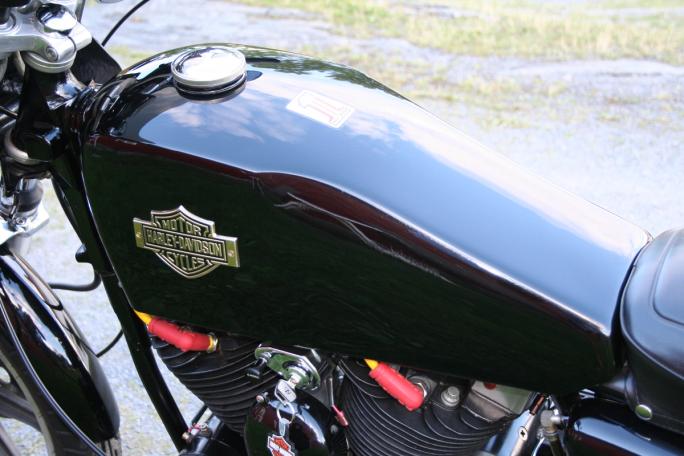
Harley's cafe racer, however, was not the success that AMF and Willie had hoped for. The bike was tough to look at, and kicked well away. But, paradoxically, it had its own tank logo on it. If the Harley emblem was on the gas tank, it would have been big and heavy. For Harley enthusiasts, it was simply wrong, they wanted their Big-Twin, with side bags and a full fairing. They loved their longer rides, and a trip to the cafe on the corner was far beyond their scope. Thus, the XLCR fell between two chairs.
Harley's cafe racer, however, was not the success that AMF and Willie had hoped for. The bike was tough to look at, and kicked well away. But, paradoxically, it had its own tank logo on it. If the Harley emblem was on the gas tank, it would have been big and heavy. For Harley enthusiasts, it was simply wrong, they wanted their Big-Twin, with side bags and a full fairing. They loved their longer rides, and a trip to the cafe on the corner was far beyond their scope. Thus, the XLCR fell between two chairs.
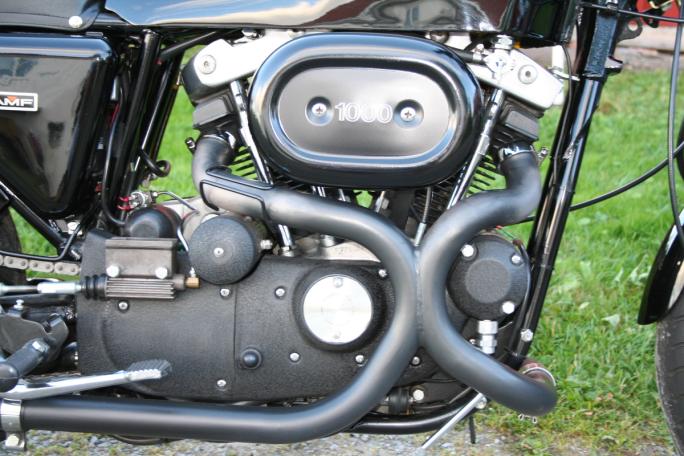
Those who absolutely had to have a Harley bought an Electra Glide , while those who were looking for a cafe racer preferred to choose a European or Japanese motorcycle. These were both cheaper, faster and better. Paradoxically, the "AMF" badge on the side covers was perhaps the model's biggest obstacle. Harley-Davidson's reputation was not exactly strengthened under AMF ownership, and many associated AMF with poor quality.
Those who absolutely had to have a Harley bought an Electra Glide , while those who were looking for a cafe racer preferred to choose a European or Japanese motorcycle. These were cheaper, faster and better. Paradoxically, the “AMF” badge on the side covers was perhaps the model's biggest obstacle. Harley-Davidson 's reputation was not exactly strengthened under AMF ownership, and many associated AMF with poor quality.
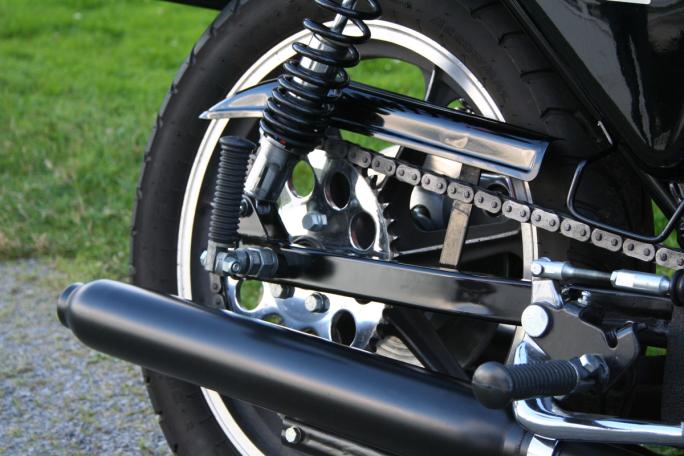
By the end of the 1970s Harley-Davidson barely had a 5% market share of motorcycle sales in the United States. With a total of 3,124 units produced, the XLCR did not help to increase this statistic, even though the bike was actually a relatively nimble and reliable affair. The XLCR was produced from 1977 to 1978, and the last 9 units were sold as 1979 models. However, the cafe racer changed very little during its two years of production. Unlike the 1977 model, which was equipped with a single seat, a long seat, referred to as a "dual seat", was available as an option on the 1978 model.
By the end of the 1970s, Harley-Davidson barely had a 5% market share of motorcycle sales in the United States. With a total of 3,124 units produced, the XLCR did not help to increase this statistic, even though the bike was actually a relatively nimble and reliable affair. The XLCR was produced from 1977 to 1978, and the last 9 units were sold as 1979 models. However, the cafe racer changed very little during its two years of production. Unlike the 1977 model, which was equipped with a single seat, a long seat, referred to as a "dual seat", was available as an option on the 1978 model.
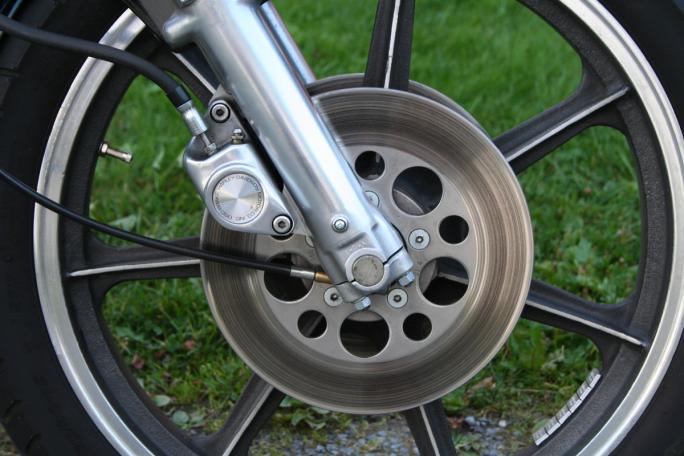
The sporty "stuck", helped by the handlebar fairing, the fiberglass fuel tank and the footrests moved back, was not enough at the time. Today, however, the black-painted sports machine from Milwaukee is a typical "collector's bike", which is emphasized by the used prices. There are many ordinary sports bikes, or XL, which is the model prefix. However, you will have to look for the XLCR for a long time, and as mentioned earlier, it has achieved high collector's status.
The sporty "look", helped by the handlebar fairing, the fiberglass fuel tank and the footrests moved back, was not enough at the time. Today, however, the black-painted sports machine from Milwaukee is a typical "collector's bike", which is emphasized by the used prices. There are many ordinary sports bikes, or XL, which is the model prefix. However, you will have to look for the XLCR for a long time, and as mentioned earlier, it has achieved high collector's status.
- Technical data Harley Davidson XLCR Cafe-Racer, 1977 model:
- Engine: 2-cylinder 4-stroke OHV, V-twin
- Displacement: 992 cc
- Power: 68 hp
- Tank: 14.5 liters
- No. of gears: 4
- Weight: 254 kg
- Top speed: 177 km/h