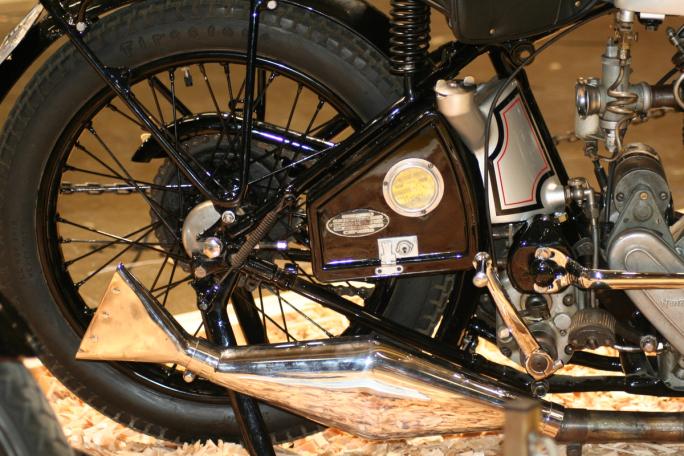
Norton International 350 OHC

Norton has a long track record in racing thanks to the Manx and International models. The silver and black painted machines took home the most prestigious trophies on the racetracks in the 1930s, 1940s and 1950s.
Norton has a long track record in racing thanks to the Manx and the International models. The machines, painted in a combination of silver and black, took home the most prestigious trophies from the racetracks in the 1930s, 1940s and 1950s.
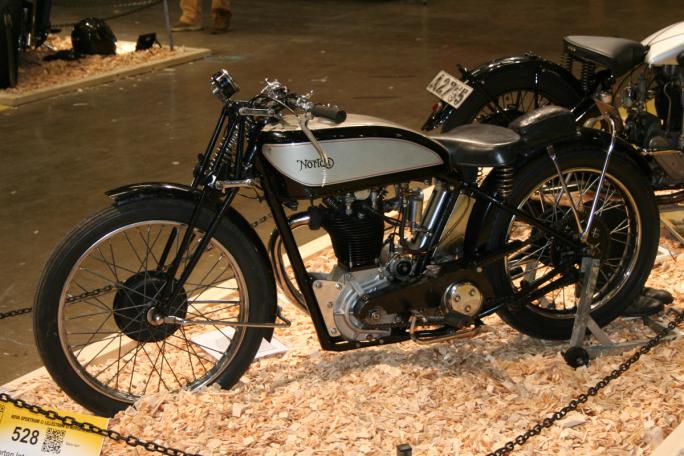
Norton International was built on a traditional rigid frame with girder forks, so what made it so successful and invincible? The answer lies in the powertrain, the single-cylinder 4-stroke with overhead camshaft.
The Norton International was built on a traditional rigid frame with girder forks, so what made it so successful and invincible? The answer lies in its powertrain, the single-cylinder, 4-stroke, overhead camshaft engine.
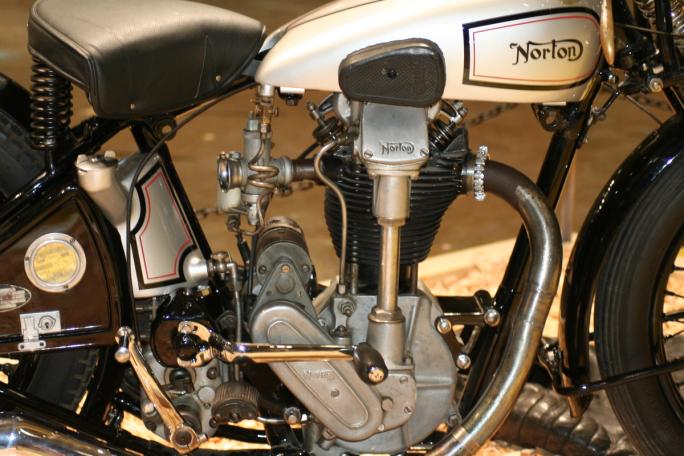
The potent OHC engine was designed to deliver high power and performance, and elevated Norton to the top echelons of tarmac racing.
The potent OHC engine was designed to deliver high power and performance, and lifted Norton to the top of the tarmac racing scene.
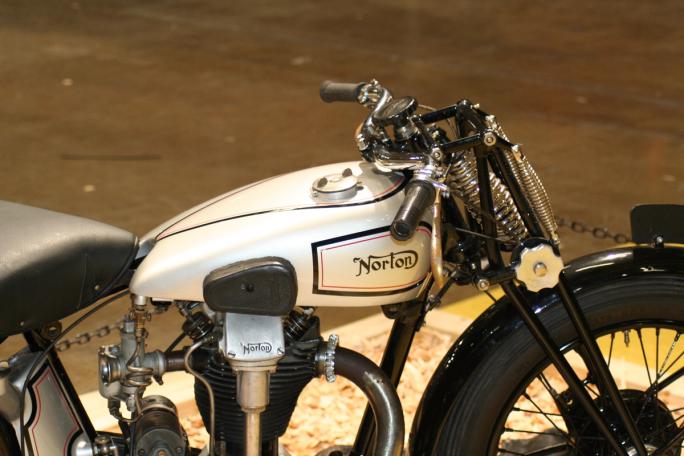
The first International models arrived in the early 1930s, and were available in two versions, the 350-cc Model 40, and the 500-cc Model 30. The man who led the team that developed the International, Arthur Carroll, drew inspiration from, among other things, the K-series of Velocette .
The first International models arrived in the early 1930s, and were available in two versions, the 350-cc Model 40, and the 500-cc Model 30. The man who led the team that developed the International, Arthur Carroll, drew inspiration from, among other things, the Velocette K-series.
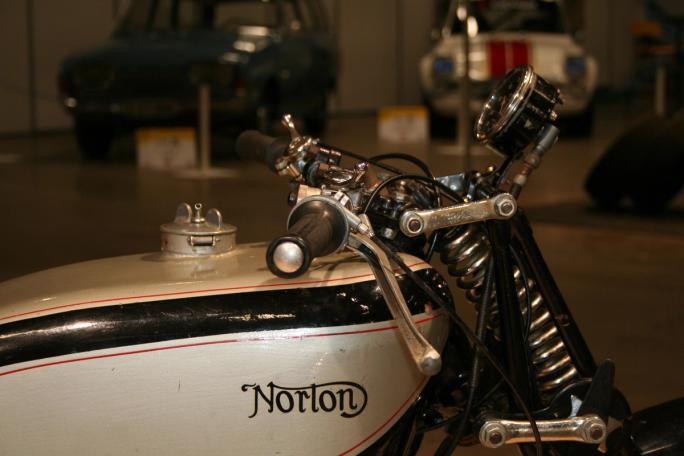
The displacements of 350 and 500 cc were adapted to the racing classes, and it was not long before Norton was taking home a substantial amount of prize money on racetracks at home and abroad. Among the more prestigious competitions were the junior TT and senior TT on the Isle of Man, and Norton made a name for himself here in the years before and after World War II. A first place in the TT races was the best publicity a motorcycle manufacturer could get.
The displacements of 350 and 500 cc were adapted to the racing classes, and it was not long before Norton was taking home a substantial amount of prize money on racetracks at home and abroad. Among the more prestigious competitions were the junior-TT and senior-TT on the Isle of Man, and Norton made a name for himself here in the years before and after World War II. A first place in the TT races was the best publicity a motorcycle manufacturer could get.
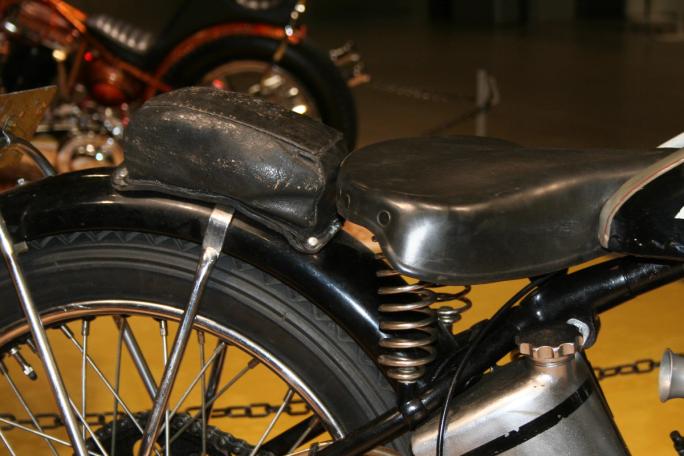
By the end of the 1940s, the International had done its job, and the design, which was now about to expire, was terminated in favor of its successor, the Manx, which arrived in 1947. Thus, the stage was set for a new round of success, and the Manx would almost overnight become a concept, and synonymous with first places in racing.
By the end of the 1940s, the International had done its job, and the design, which was now about to expire, was terminated in favor of its successor, the Manx, which arrived in 1947. Thus, the stage was set for a new round of success, and the Manx would almost overnight become a concept, and synonymous with first places in racing.