
Suzuki GT550
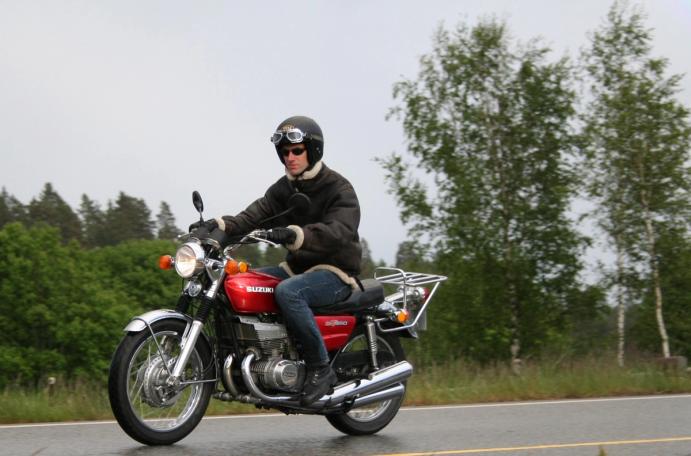
- Dag Arne Werner from Maura likes “blue smoke” and 2-strokes. In that sense, the GT 550 is a good choice.
Suzuki's 2-strokes dominated the sales brochures right up until 1976, and many people remember the 70s as a period shrouded in 2-stroke fog. Suzuki offered a number of models with this engine type, three of which were 3-cylinder 2-strokes.
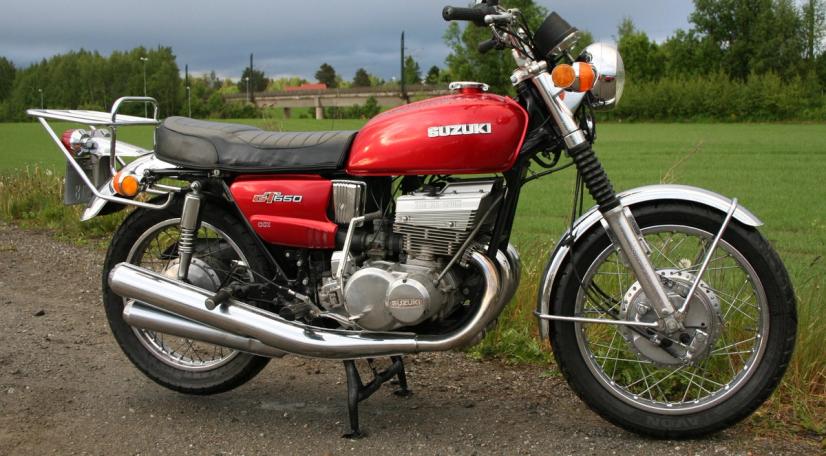
GT380
The smallest of these was the GT 380 with a power output of 34 hp. Something to think about for future enthusiasts of 18 years, who have to adapt to A2. The 380-cubic was a nimble thing, with 6 gears and plenty of room for two.
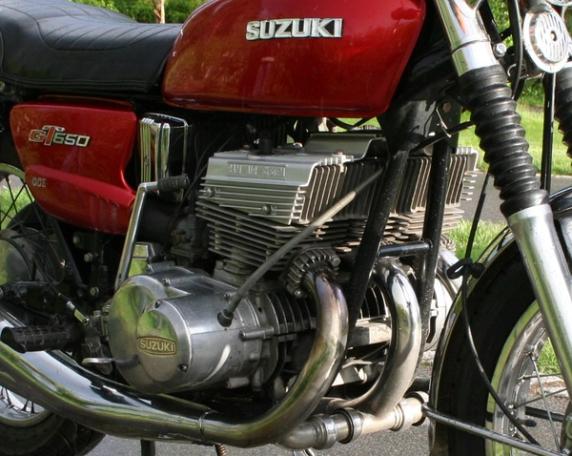
GT750
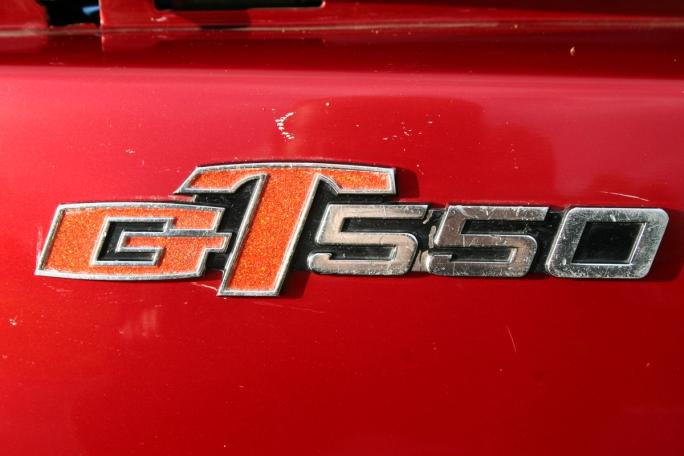
The biggest and strongest was “The water bus”, with a whopping 67 hp. In between these two was the GT 550, which was launched in 1972. The model achieved great popularity, and Suzuki sold a whopping 11,000 copies in its first year of production. Not bad for a newcomer!
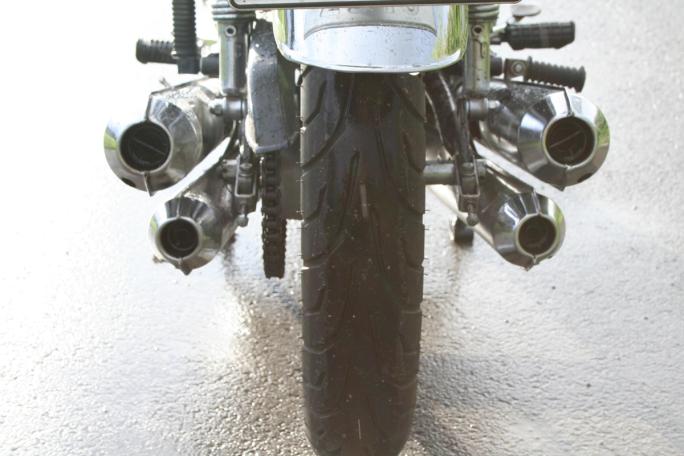
GT 550
The 550cc is really a perfect bike in terms of size and performance. Compared to the GT 750, it was easier to handle due to its lower weight, and much more agile in heavy traffic. It was just the right size, with plenty of room for both rider and passenger.
The power package was a 50 horsepower, 2-stroke triple. This gave a top speed of nearly 180 km/h, placing the GT 550 high on the list of the fastest bikes.
Ram Air
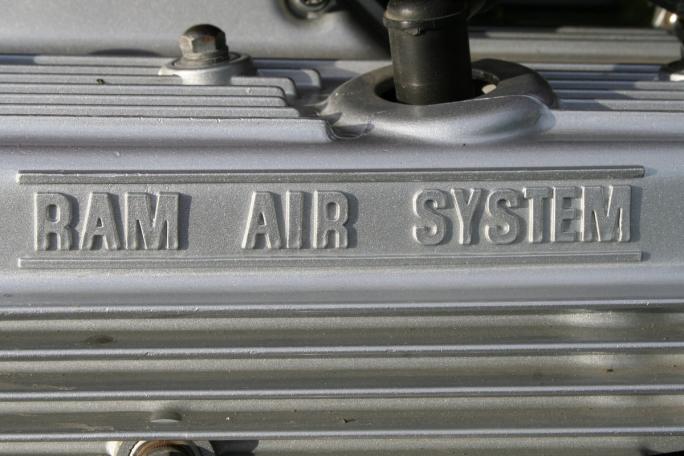
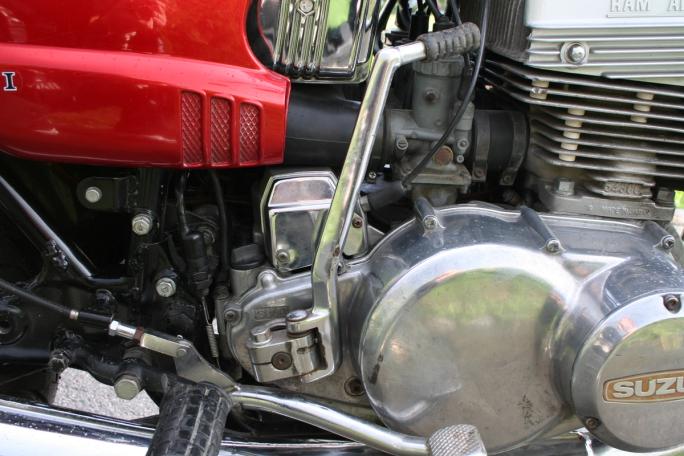
The engine was equipped with Suzuki's patented “Ram-Air system”, a cooling jacket around the cylinder head, which helped to push cold air in and bring heat out. As early as 1973, the GT 550 could be supplied with something as refined as electric starting.
Oil pump
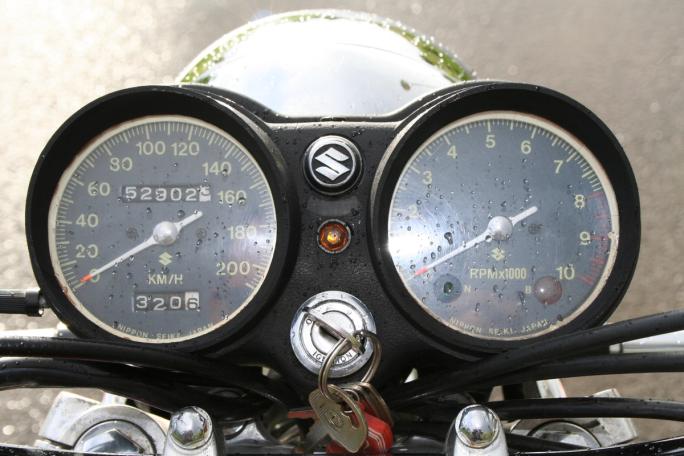
The Suzuki was also equipped with a separate oil tank for 2-stroke oil, fed via its own oil pump. This meant that it was not necessary to mix oil and petrol every time it was refuelled.
Digital gear indicator
Another small detail worth noting is the LED display that came on the 1974 model. This was mounted between the instruments, and showed which gear was used at any time. A fun detail, which was in many ways ahead of its time seen in light of the electronic revolution that had not yet fully taken off. Aesthetically, the GT 550 must be said to be one of the finest motorcycles of the 1970s, with sleek soft lines and a great exhaust system with two pipes on each side. Suzuki changed and developed the GT 550 steadily, even if this was not always so visible from the “outside”.
Continuous development
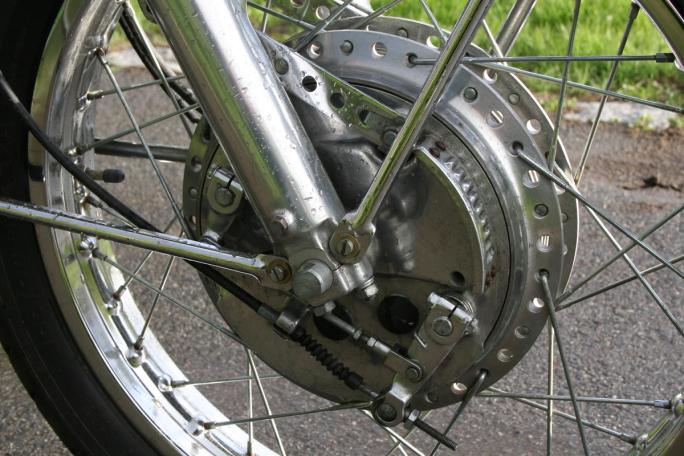
Continuous product improvement was typical of Japanese motorcycle manufacturers, and Suzuki factory was no exception. Everything from small seals to larger components such as brake calipers and starter clutches were continuously upgraded with the goal that customers would experience the bike as optimal in terms of quality and reliability.
From 2-stroke to 4-stroke
The GT 550 was produced in approximately 80,000 units from 1972-1976, and was replaced by the new and more environmentally friendly 4-stroke GS 550 from the 1977 model year.
Technical data Suzuki GT 550, 1972 model:
Engine: 3-cylinder 2-stroke
Displacement: 543 cc
Power: 50 hp at 6500 rpm.
No. of gears: 5
Weight: 215 kg (dry)
Electrical system: 12 volts
Start: kick and electric start
Tank: 15 liters
Front tires: 3.50 x 19
Rear tires: 4.00 x 18
Top speed: 179 km/h
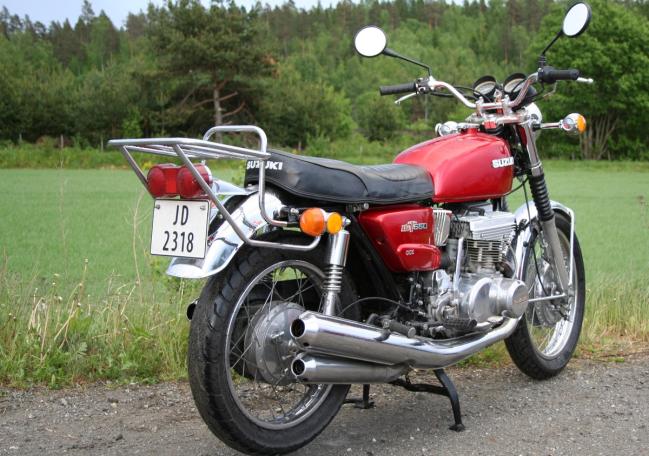
- The GT 550 is a nice “all-round machine” with good handling characteristics. The 3-cylinder 2-stroke engine has an output of 50 hp at 6500 rpm, and it provides good traction on the road.