
Tech tip #3: Motorcycle battery
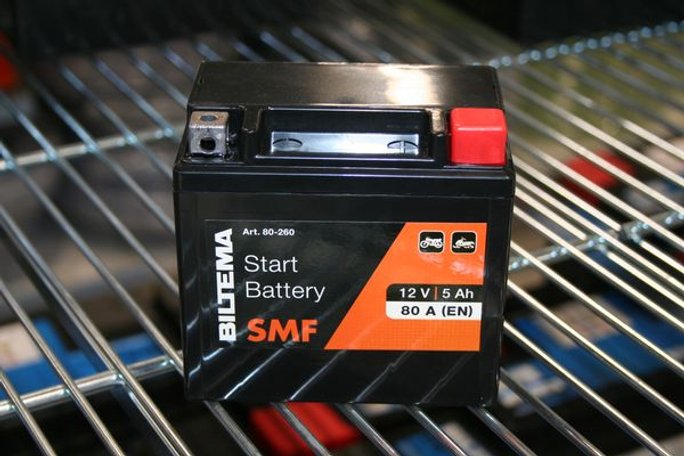
The battery is a very important component on the motorcycle, and it is good to have some knowledge of the type, function and maintenance. It contributes to good economy, and not least a more reliable motorcycle. Regular check of the condition, as well as correct maintenance, will reduce the risk of power problems.
- There are mainly 5 categories of motorcycle batteries:
- Lead-acid batteries. These are inexpensive to purchase. They often require that you top up the battery acid when the battery is new, as well as top up with distilled water. They do not tolerate vibrations very well. Maintenance tips: check that the liquid level is above the cells. Keep the battery terminals clean and free of rust/corrosion. Feel free to apply some grease to the terminals. Avoid deep discharge as it destroys the cells. Use a battery charger that is adapted to lead acid batteries, and charge it approximately every 6 weeks when it is disconnected from the bike. A fully charged lead acid battery will have a resting voltage of 12.6-12.8 volts. If the voltage is lower than 12.6 volts, it should be charged. If the voltage is lower than 12 volts, the battery is either empty or defective. If you measure the voltage at the start, it should not fall below 9.5 volts. An electrolyte test can also be carried out using a hydrometer. A fully charged battery should then show 1.26-1.28 g/cm3. If only one cell shows a lower value, the battery is often defective.
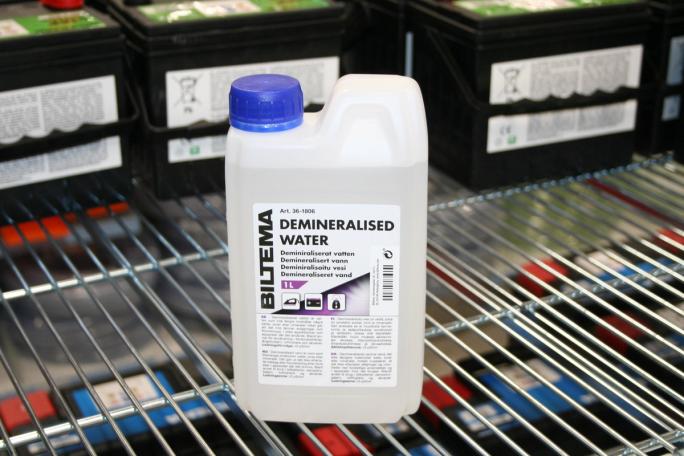
- SMF battery (Sealed Maintenance Free). This is a sealed lead/acid battery. The battery contains acid, and since it is sealed, it should not be topped up with distilled water.
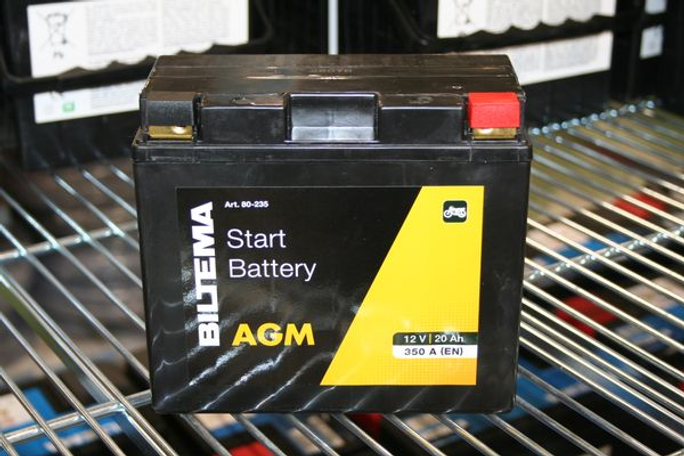
- AGM battery (Absorbent Glass Mat). Here the electrolytes are bound in gas fiber mats, and it is not necessary to top up either battery acid or distilled water. This type of battery tolerates vibrations and low temperatures well, and can withstand deep discharge to a certain extent.
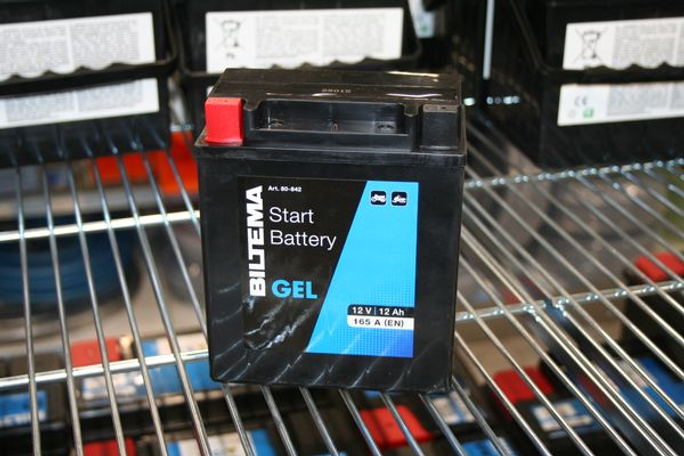
- GEL battery. Here the electrolytes are mixed with silica and bound in gel. They are more resistant to deep discharge, can be charged slowly, withstand many charge cycles, and have a long life with proper maintenance. Not suitable for motorcycles that require high starting current.
- Lithium battery (LiFeP04). These are very light and compact batteries that take up little space. They have low self-discharge, charge quickly, and they hold their power for a long time. However, this type is more sensitive to cold/low temperatures, and must have a specially adapted battery charger.
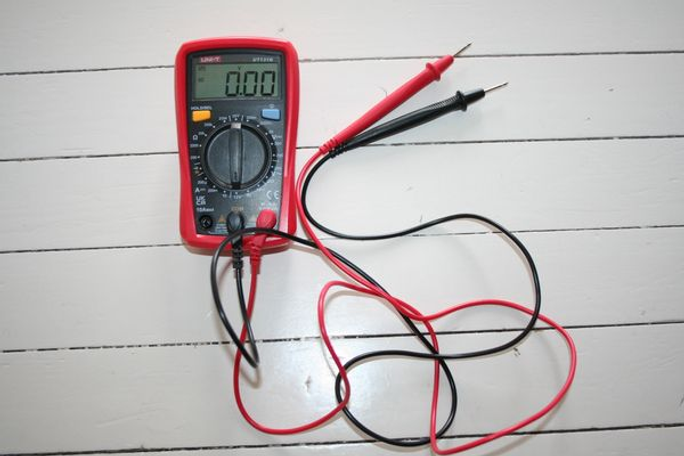
- In short, we can say the following:
- The multimeter is set to 12 volts, and all tests are done by holding the black cable tip on the battery's negative pole and the red cable tip on the battery's positive pole.
- Use a multimeter to quickly check the condition of the battery. The resting voltage should be 12.6-12.8 volts.
- Perform a load test to check if the battery has low capacity at the moment of starting. The voltage should not fall below 9.5 volts.
- Perform a charging system test to check that the alternator and regulator are working properly. Measure the voltage across the battery terminals when the bike is running at 3-4000 rpm. The voltage should be 13.5-14.5 volts. If the voltage is higher than 15 volts, it indicates a possible fault in the charging regulator, and the battery could be damaged.
- Measure the acid value if you have a battery that naturally contains battery acid, and distilled water. The acid value in each cell should be 1.26-1.28 grams/cm3.
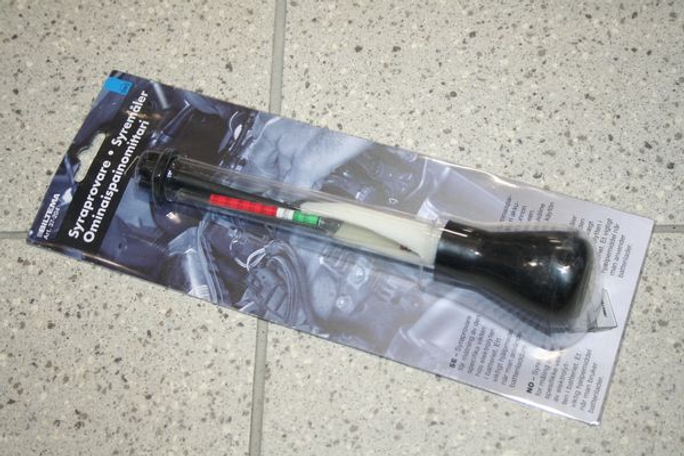
- An acid meter is easy to use and immediately gives the answer to the cell values in an acid/lead battery.