Tips & advice when buying a used motorcycle
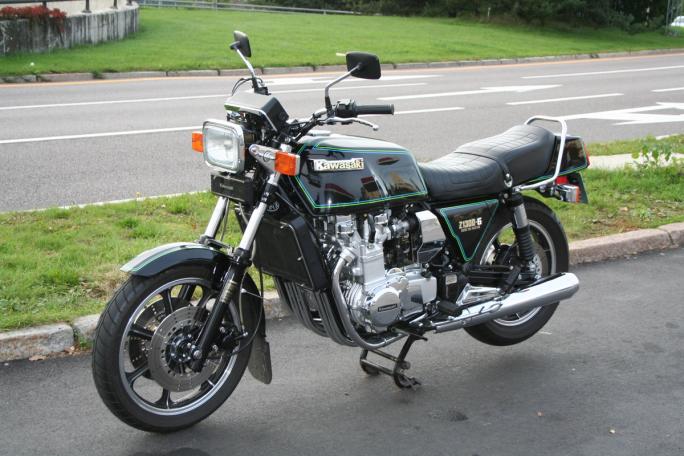
If you're looking for a used motorcycle, it's a good idea to check the condition of the bike. Here's some advice along the way.
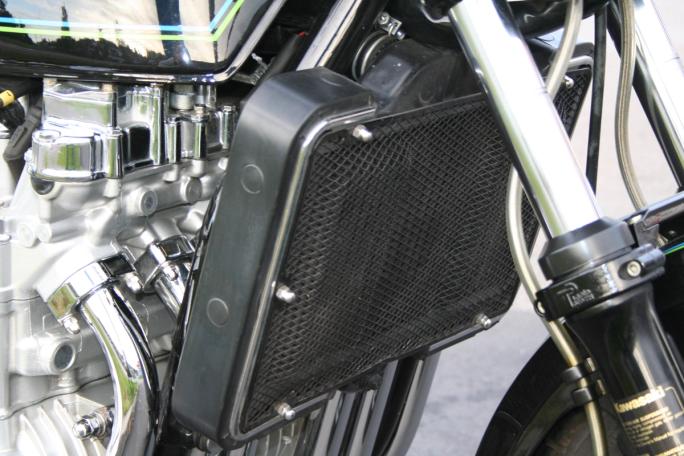
- Liquid cooling: If your motorcycle has liquid cooling, you can check the level in the radiator. It is also a good idea to measure the frost protection level in case you are going to store it in the cold during the winter. A simple antifreeze gauge indicates how many degrees below zero the system can withstand before it freezes.
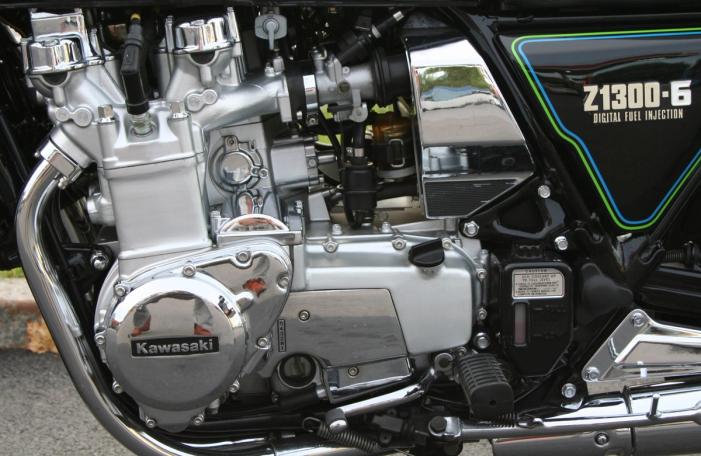
- Oil: Place the bike on the center stand and check the engine when it is cold. The level is checked either on the dipstick or on the sight glass on the bottom of the clutch housing. Remember that you can mix mineral oil with semi-synthetic oil, and semi-synthetic oil with synthetic oil, but NOT mineral oil with synthetic oil.
- Brake pads: You can inspect the pads either through a small hatch in the caliper, or by looking down along the brake disc. If the pads are new, the coating should be over 6 mm. If the coating on the pads is less than 2 mm, they should be replaced.
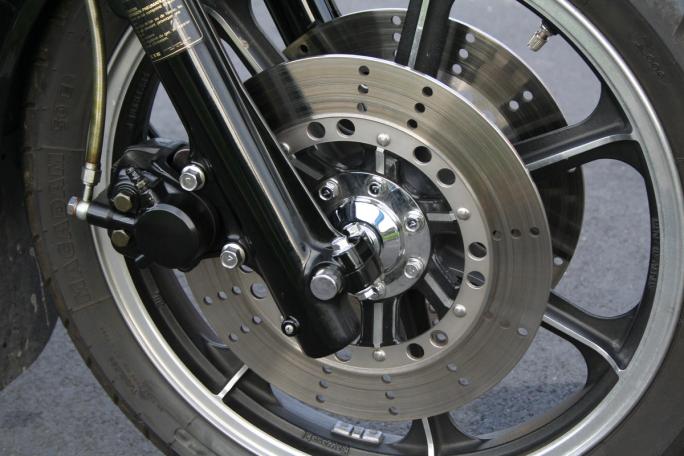
- Brake and clutch bag: If the bag is new, it should be yellowish or clear. If it is black and there is slag at the bottom of the reservoir, it must be replaced. Remember to use the correct DOT value, if necessary, if it should be synthetic.
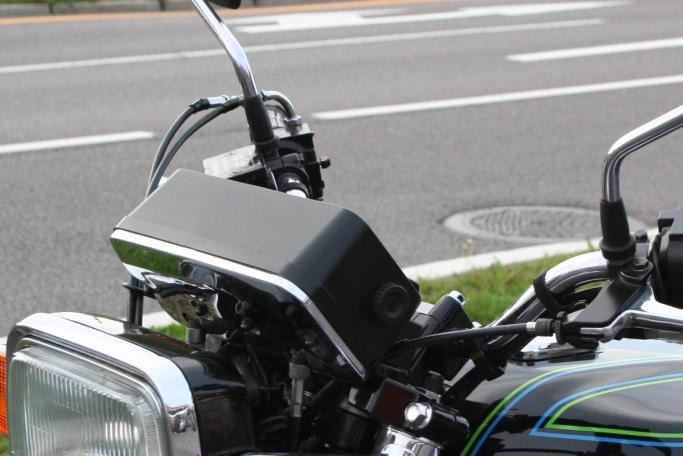
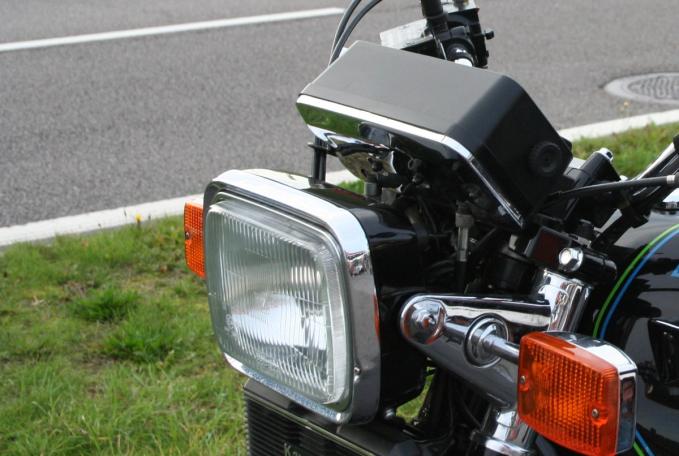
- Light: Check that all lamps and indicator lights are lit according to function.
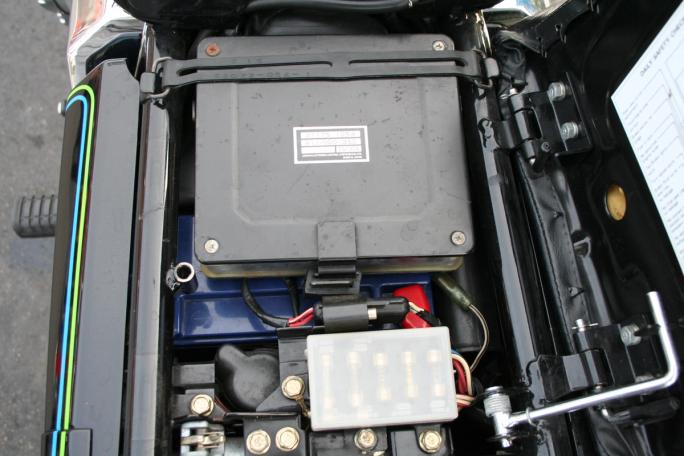
- Battery: Check the idle voltage (without load), and that it shows a minimum of 12.6 volts. If the bike has an acid battery, you can measure the acid weight and check the level of the battery cells. If you need to top up, use distilled water. See also our separate article about different types of motorcycle batteries here.
- Front fork/headstock bearing: Place the bike on the center stand, and make sure that the front wheel hangs freely, without contact with the ground. Stand in front of the bike and grab both fork legs. Pull the legs towards you and push them away from you. There should be no play in either direction. The handlebars should also be able to go towards full extension in both directions, without it going unevenly and wobbling. Take the bike off the stand and let it rest against the ground on both wheels. Hold the front brake and push the bike forward and down several times. Then check for leaks in the seals between the inner and outer legs.
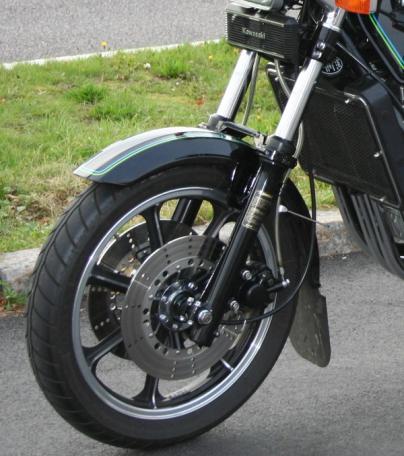
- Wheel bearing: Place the bike on the center stand. Grab the tires and pull/push them sideways. There should be no play/slack. Then spin the wheels. There should be no wobble/uneven resistance during rotation.
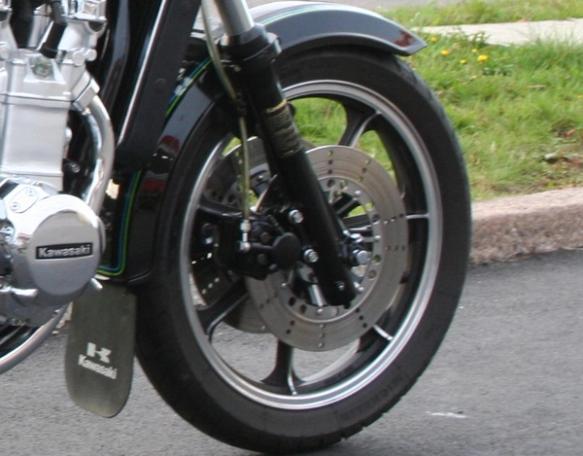
- Swingarm bearing: Grab the rear wheel and push/pull sideways. There should be no slack/play in the swingarm attachment.
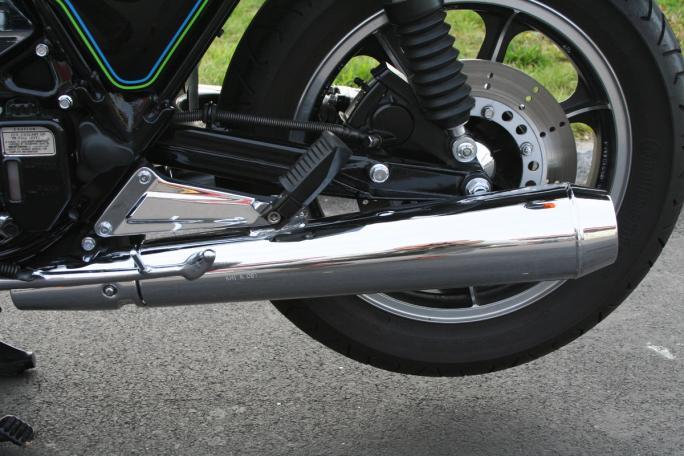
- Motor function: The engine should be easy to start, whether it is cold or warm. It should run smoothly, regardless of engine speed, and should respond immediately to throttle input, and drop to idle immediately when you release the throttle.
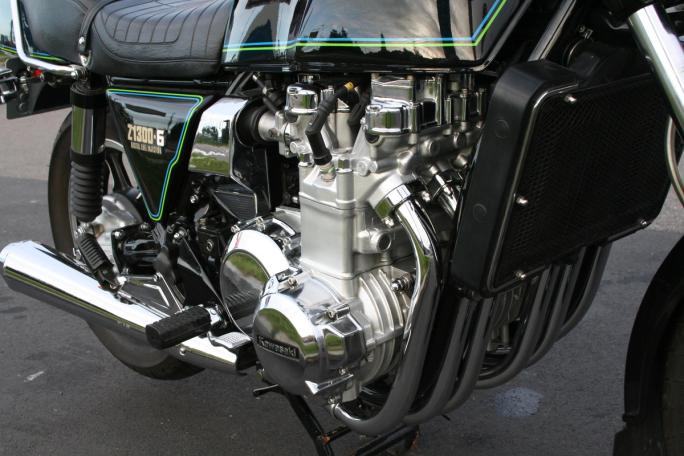
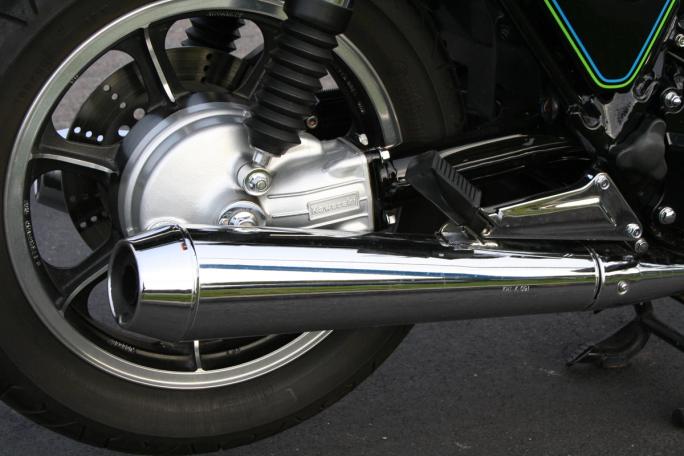
- Chain, sprocket and cardan shaft: Check the teeth on the sprocket. They should point straight out from the sprocket, and not be curved. The chain is checked by grabbing it in the middle of the rear sprocket and pulling it backwards. If it can be pulled out so that half or more of the teeth are visible, it means that the chain is worn. If the "drive package" is to be replaced, both sprockets and the chain should be replaced at the same time. If the bike has a cardan shaft, you should check the oil and the oil level on the cardan shaft. The oil should be clear and free of metal fragments.
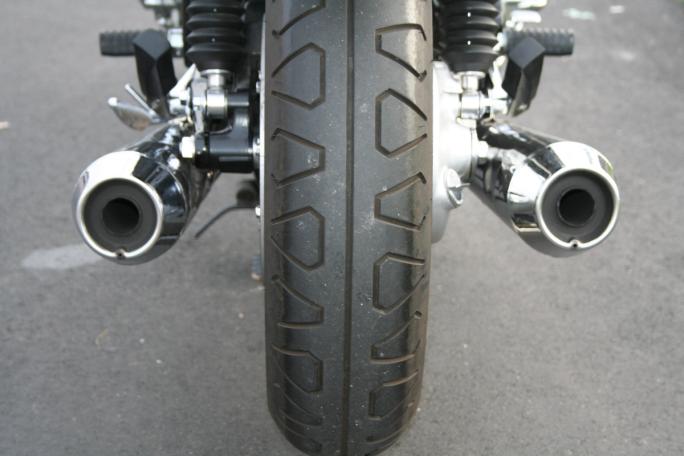
- deck: Check the tread depth. The minimum requirement is 1.6 mm, but it is recommended to change the tire at 2-3 mm. Also check that the tire does not have cracks on the side of the tire tread. Check the DOT code on the tire side. The last 4 digits show the date/year of manufacture. For example, 2319 means that the tire was manufactured in week 23 of 2019. Tires are to a certain extent fresh goods, and tires that are older than 8 years should generally be replaced.