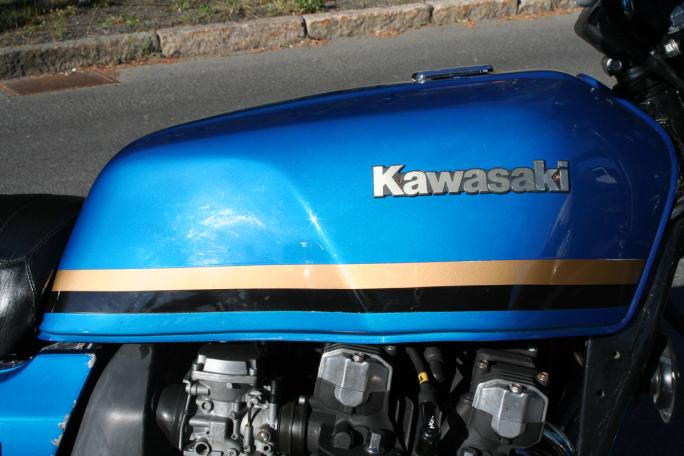
Kawasaki Z1000J
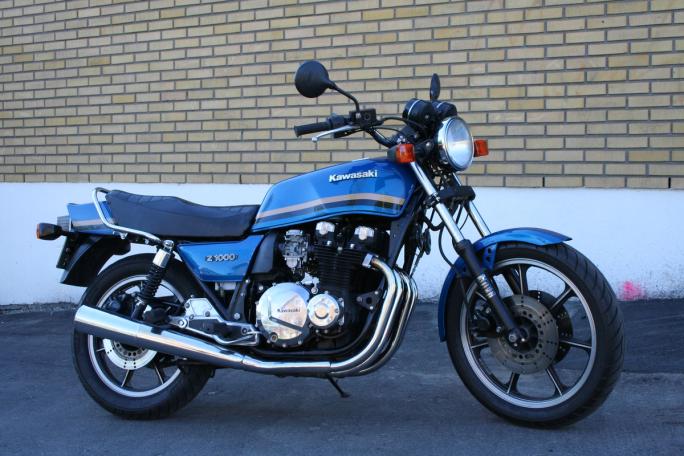
Kawasaki Z1000J measured forces against, among others, Honda CB900F and Suzuki GS1000G
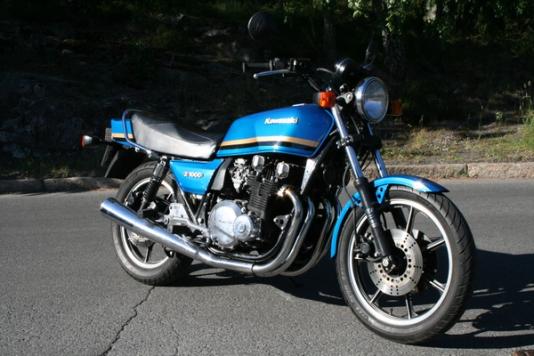
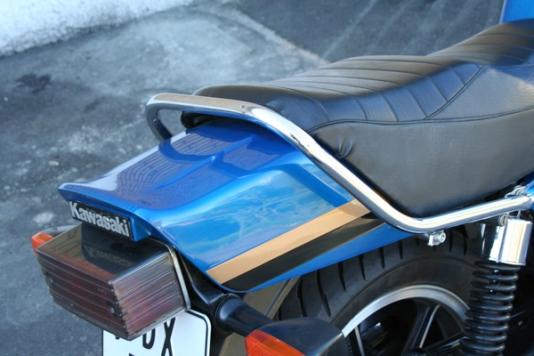
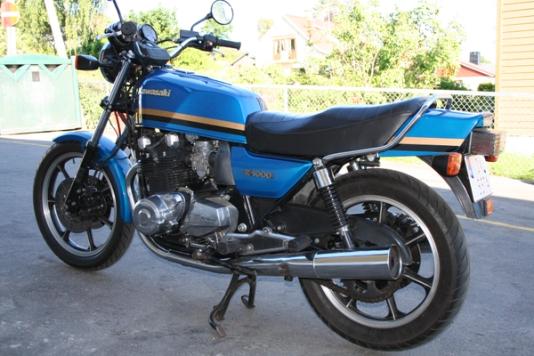
The beginning of the 80s marked a turning point for Kawasaki motorcycles in terms of design. The soft lines and rounded shapes that had characterized the models throughout the 70s undoubtedly belonged to "the past". Now it was angles and straight lines that characterized the design. The 1000cc Z1000J set the tone, quickly pulled out of the traffic lights, and took Kawasaki into the new decade.
0/0
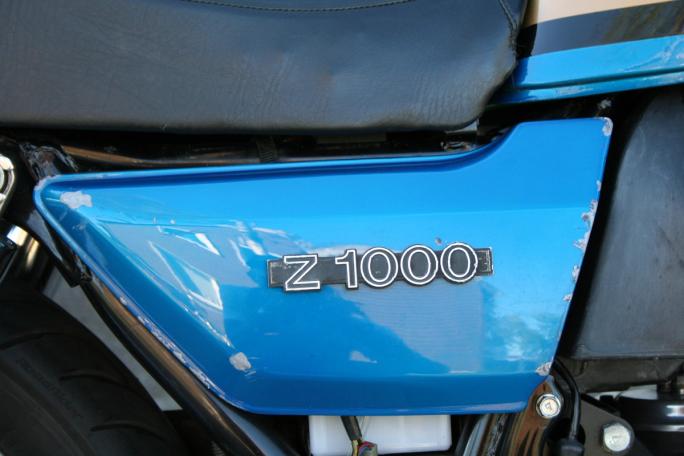
If we look more closely at Kawasaki's model development from 1979, they stand out from the other Japanese competitors in terms of design. Both Honda , Suzuki and Yamaha carried the 1970s line design well into the 1980s, before abandoning the soft lines. When Kawasaki launched its Z1000J in 1981, it was a motorcycle characterized by "squares". Ovals, circles and arches were now replaced by a design characterized by angles, rectangles, squares and straight lines. At the same time, the design was so conservative that the "heritage" from the 1970s was well preserved. This was important because that decade was undoubtedly Kawasaki's in terms of speed and excitement. The sales brochures were characterized by the slogan "Let the good times roll". Those who had experienced the power of an H2-750 or the superbike Z900 could nod in recognition and confirm that Kawasaki's "slogan" was not at all taken out of thin air.
Kawa became synonymous with speed and excitement
With all due respect to the choice people make when buying a motorcycle, and with a certain risk of offending motorcycle owners, we dare to claim that in the 1960s and 1970s it was possible to link the choice of motorcycle to socioeconomic class (this is no longer the case). Harley-Davidson was associated with lawless citizens, Vespa belonged to the intellectual 68ers, Suzuki was for the masses, and Honda was associated with sensible, stable citizens of society, often with a middle class background. Kawasaki on the other hand, became the first choice for those who lacked restraints when it came to speed and acceleration. "Kawa" became synonymous with fast bikes, helped along by the two 2-strokes, the H1-500 and H2-750. With these, 18-year-olds of the time rampaged wildly and uninhibitedly, and when the hourglass for 2-strokes ran out, there was a new "tool" to get. With the Z900 and not least the Z1000, Kawasaki continued to live up to the slogan of “let the good times roll”. In 1979, the stage was set for a new generation of heavy sports bikes from Kawasaki , and the two models Z1000 MK2 and Z1000ST were among the top models the brand had to offer, with the exception of the “muscle bundle” Z1300 which was equipped with a 120 hp straight-six, it was enthroned at the top.
Z1000J
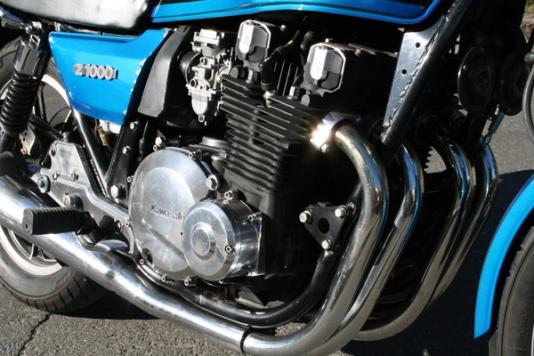
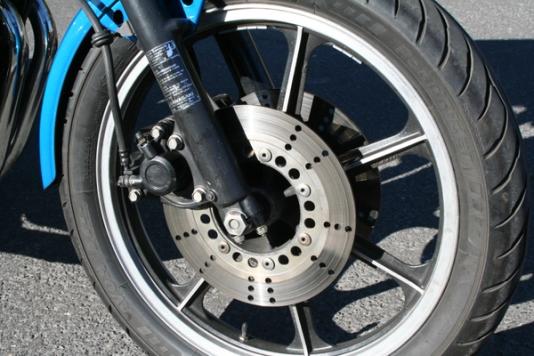
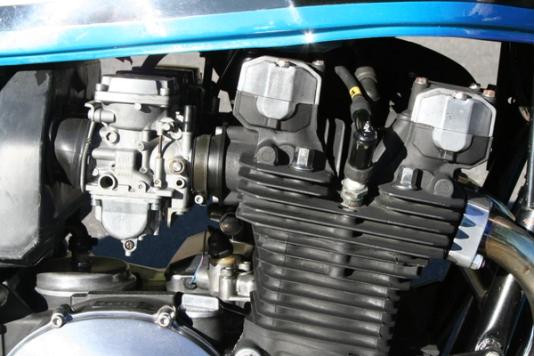
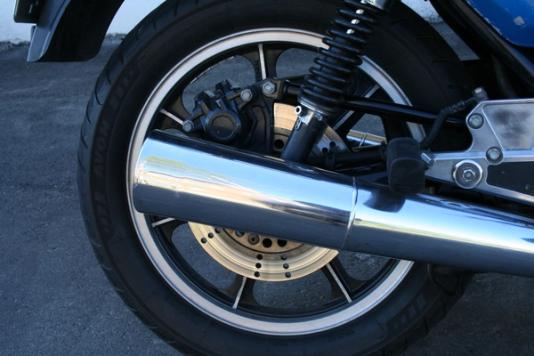
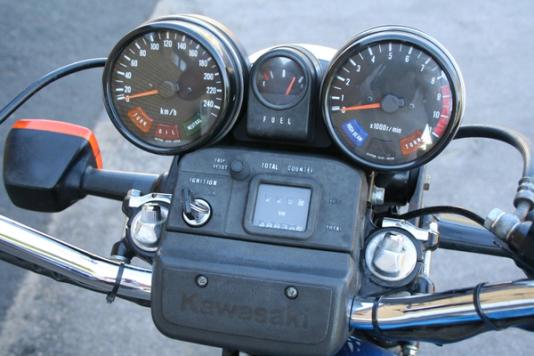
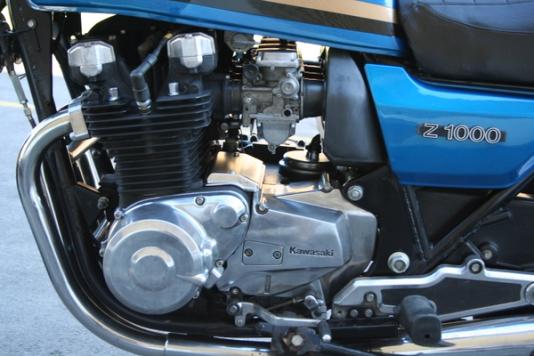
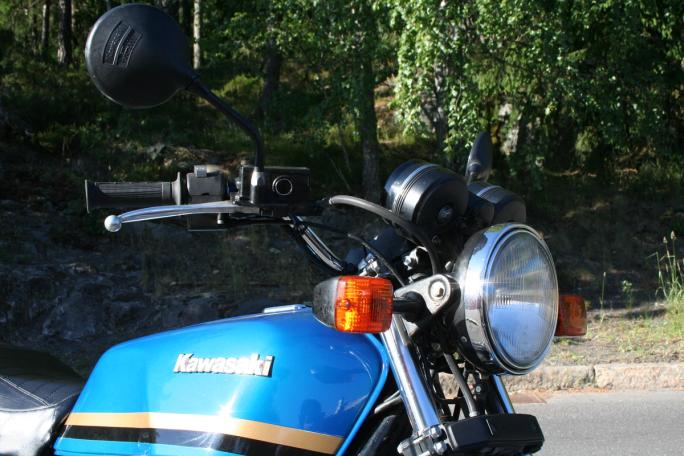
All models have their limited lifespan in terms of performance and design, and so did the Z1000, and in 1981 the 1000cc model with a "J" in the model prefix arrived. The ingredients were still very similar to those found in the old Z1000. The engine was still the traditional inline-four with double overhead camshafts. Like its predecessor, it had three disc brakes, a traditional swingarm with two rear shock absorbers, and two solid clocks on the "dashboard" that provided information about speed and rpm. The design, as we have previously mentioned, was radically changed, and set the tone for the new decade. Compared to the Z1000, the Z1000J was of course somewhat faster, and the handling characteristics were also noticeably "sharper". The power of 102 hp was enough for a top speed of 211 km/h.
H2 before and now!
Now, of course, we won't devote any space to the latest "scream" from Kawasaki , specifically the H2, but once we've mentioned A, we have to say B. Just as Kawasaki wrote itself into the history books with the H2 in 1972, they added a new chapter to their history a couple of years ago with a new version of the H2. With nearly 300 horsepower, it removes any doubt that Kawasaki still lives up to the slogan "Let the good times roll". Whether today's Kawasaki owners have a more relaxed relationship with tight wires and wheelies, however, is unknown.
Technical data Kawasaki Z1000J, 1981 model:
Engine: 4-cylinder 4-stroke, DOHC
Displacement: 998 cc
Number of gears: 5
Power: 102 hp at 8500 rpm.
Front tire: 3.25 x V19
Rear tires: 4.25 x V18
Tank: 21 liters
Weight: 255 kg
0-100 km/h: 3.7 sec
Top speed: 211 km/h