Thorsen's Twin from Bologna
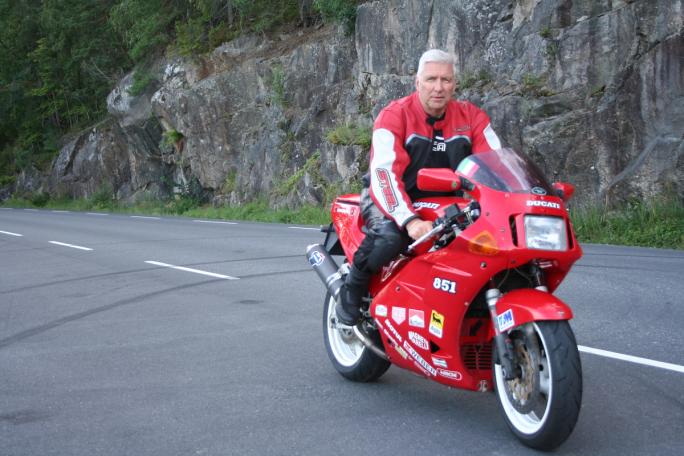
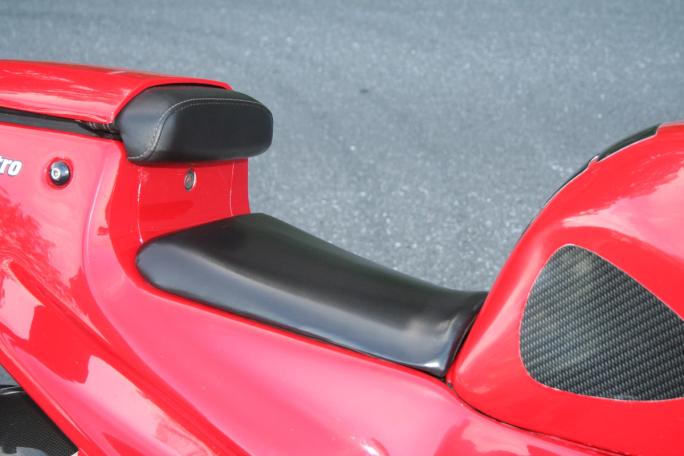
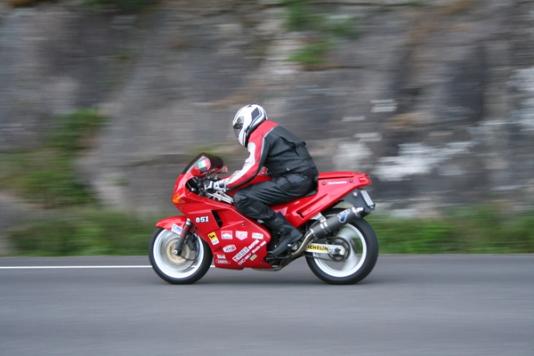
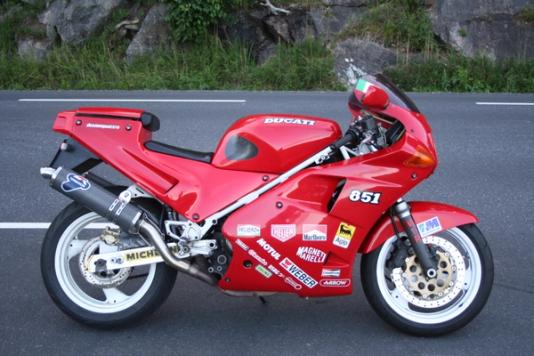
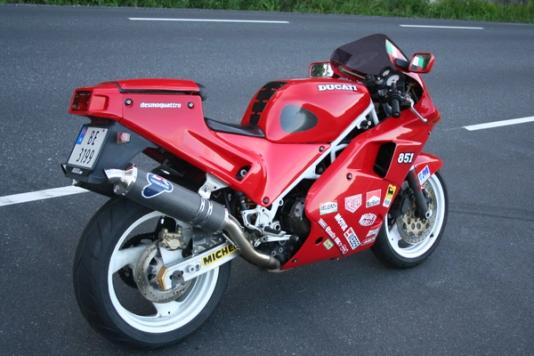
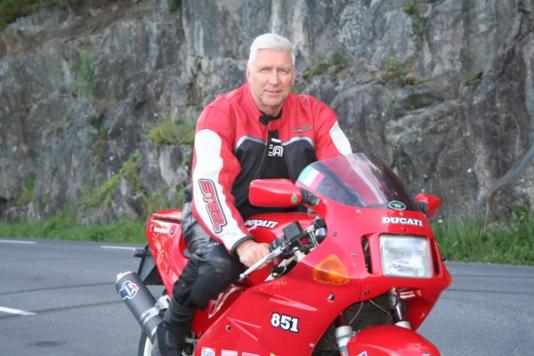
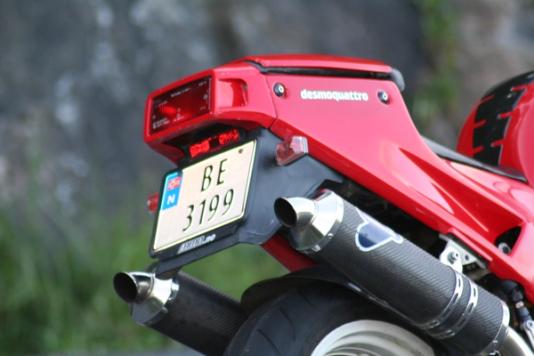
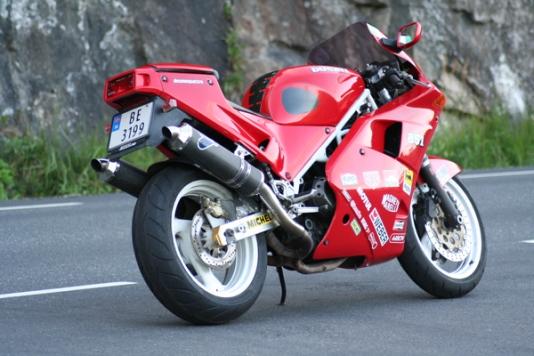
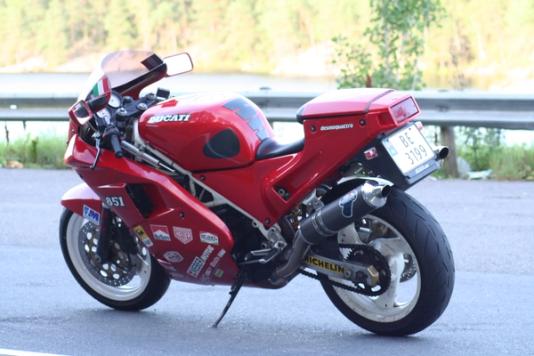
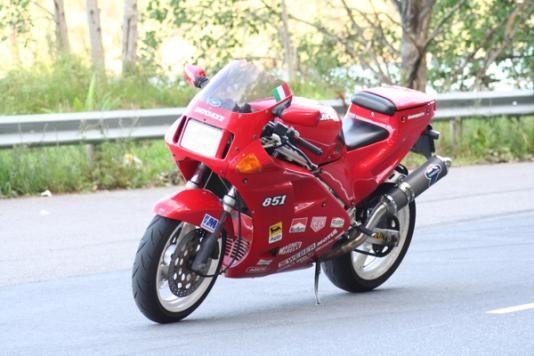
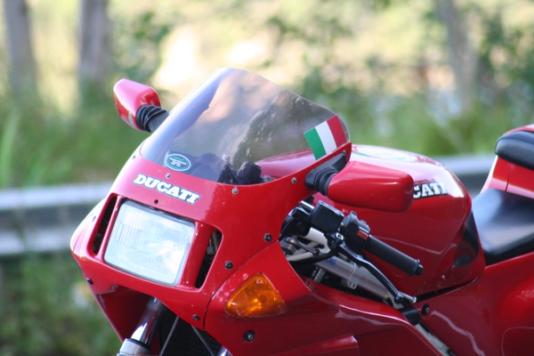
Ducati is known for its forced valve control system, known as desmodromic valve control. When the brand emerged from the shadows with the 851 Strada street racer in 1988, the desmodromic system was just one of several technical solutions that, in total, offered owners a power package that would take Ducati up to the top tier, not only on the road, but also in racing. We have taken a closer look at one of the very few of this model that can be found in this country, and which belongs to Robert Thorsen from Oslo.
0/0
Ducati's history is long and distinguished, and the brand was established in Bologna in 1926 by the three brothers Adriano, Bruno and Marcello Ducati . In the beginning, electronics and radio components were produced. When World War II was over, there was a great need for simple means of transportation. Ducati jumped on this wave, and now offered the Cucciolo 46 cc small auxiliary engine that could be mounted on pedal bicycles. With this engine, Ducati took its first step into the motorcycle universe.
750 Super Sport and 900 Super Sport
If we look closely at the models that came out of Bologna from the 1950s onwards, they became increasingly larger and faster. They were few in number compared to the English and eventually Japanese motorcycle brands, which had much larger market shares. In the 1970s, however, there were two models from Ducati that are worth noting. The 750 Super Sport and 900 Super Sport were machines that combined design and performance at the top end. Now the price tag was also at the top end, to say the least, so these two models were a rare but exclusive sight in motorcycle circles. Today, these are highly sought-after collector's items with a price tag to match.
90-degree v-twin
Since Ducati's 90-degree V-twin concept didn't really make much of an impact until the 1980s, they weren't really considered. The exceptions were the 750 Super Sport and 900 Super Sport, but as mentioned earlier, due to their high cost, they remained a rare sight. But then, things happened in Bologna, and in 1987, the model that marked a turning point for Ducati was the 851 Strada superbike.
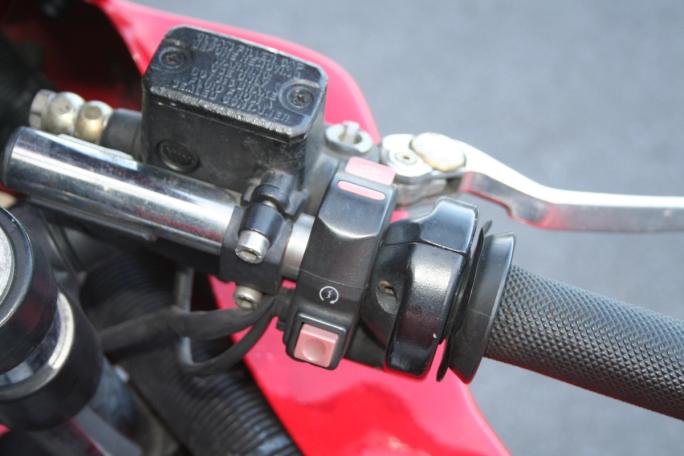
Out of the shadows
With the 851 Strada Ducati really stepped up in the division for the fastest machines, both on the road and on the track. Now the brand was really noticed. That a Ducati parked its competitors in the racing circus was something completely new. The brand asserted itself at the forefront of racing, and now took podium positions in strong competition with the Japanese multi-cylinder machines. This was something completely new, and not a little surprising. The brand that had been in the shadows for several decades now stood out with a power and an elegance that made the most jaded people raise their eyebrows.
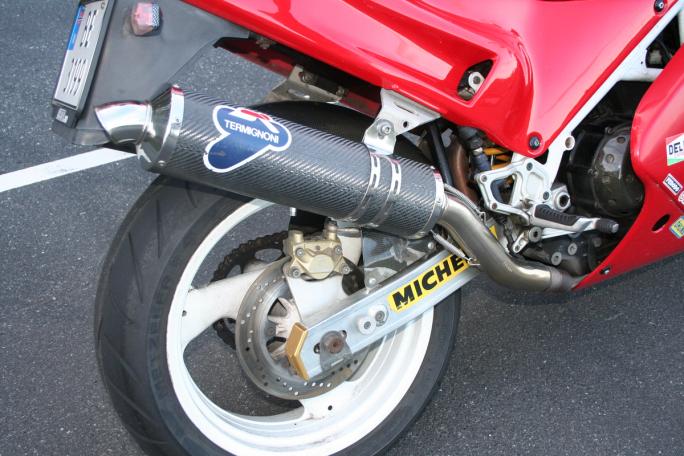
Injectors tested in Fiat and Lancia
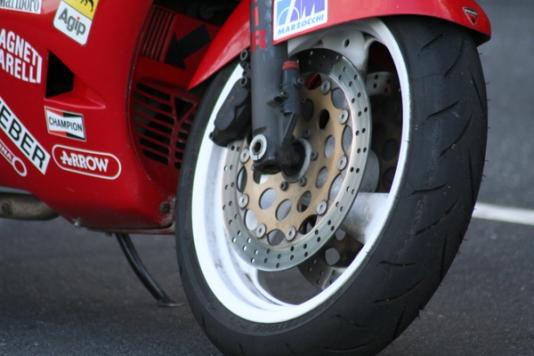
Much of the success of the 851 was due to the engine's injection and ignition system. Weber-Marelli supplied air, fuel and spark, and with the help of 4-valve technology the Ducati could offer the rider around 100 raw horsepower. In a chassis that could handle this power with ease, it was bound to be a success. It is worth noting that Ducati chose to use Weber because they were located in the same area of Bologna. The fact that the injectors were well proven in both Fiat and Lancia guaranteed quality. Another key aspect was that it was considered an advantage to have a short geographical distance to Weber in case technical problems arose requiring close cooperation, quick access to spare parts, etc.
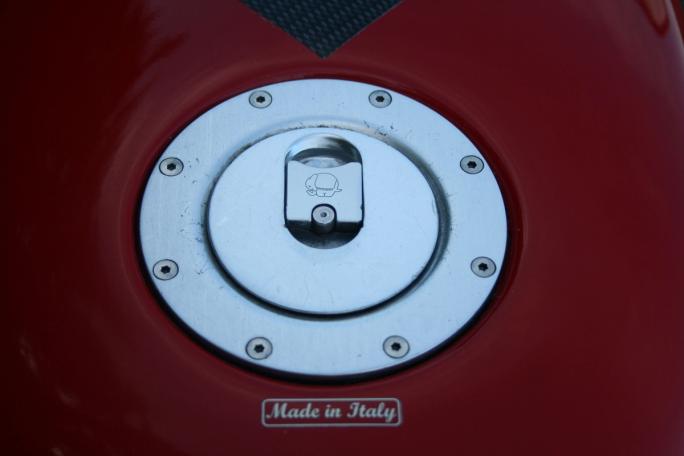
From Honda to Ducati
Robert Thorsen from Oslo took up motorcycling in 1992, and the first motorcycle he bought was not Ducati , but a Honda CB900F. The 900cc was used extensively for trips with his wife, but after a couple of years he jacked up the price a notch and sold the 900cc in favor of a Honda CB1100F. Honda was all right, but then there was this strong fascination with Italy and Italian motorcycles. "I think it has something to do with the distinctive sound from the V-engine," says Robert. In 1992, the opportunity presented itself. A colleague of Robert's was selling a 92 model 900 SS Super Sport. "I couldn't help it, I was sold," says Robert, grinning happily. The Ducati was used for both short and long trips until the family grew towards the end of the 90s, and the motorcycle trips became longer.
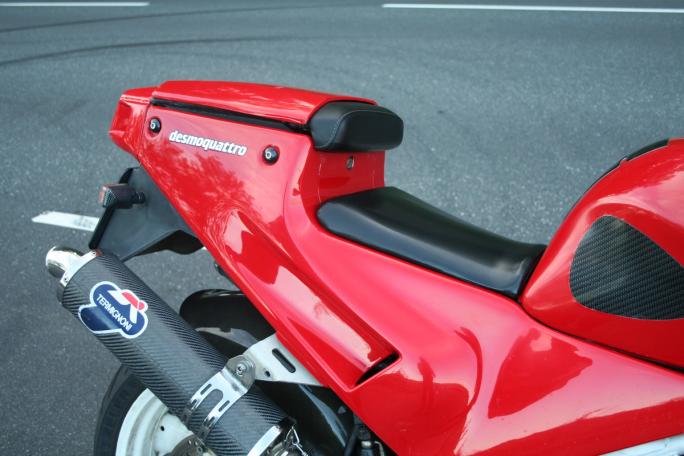
Out with 900, in with 851
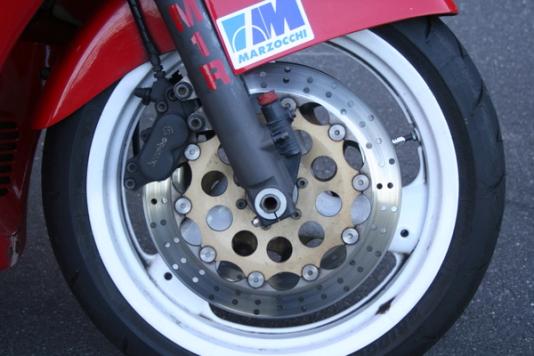
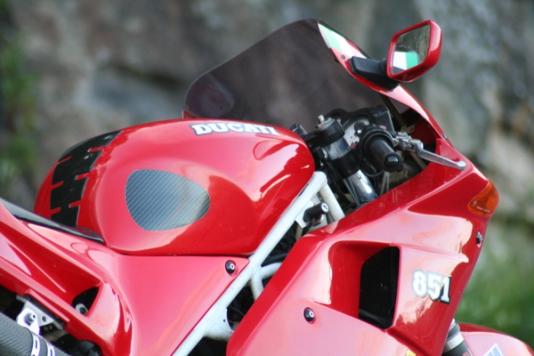
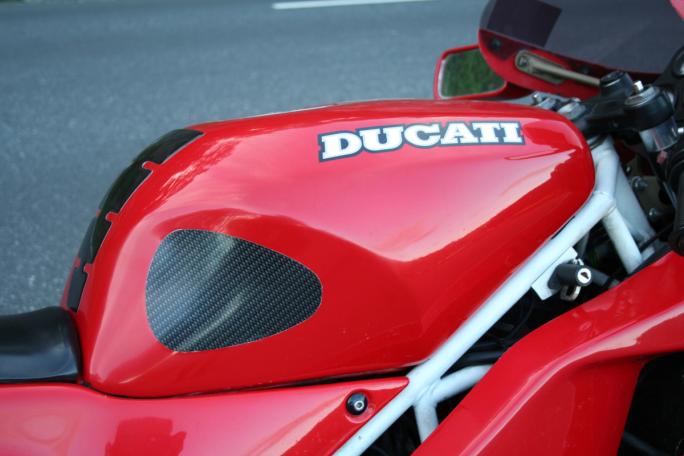
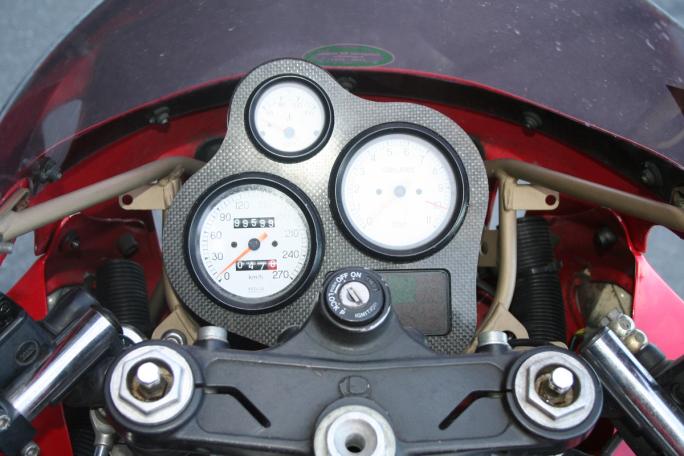
Then there was this with the slightly sharper Ducati models. In 2000, an 851 appeared at a company in Eastern Norway. Robert was quick to act because he knew that such goodies from Bologna are not a thing of the past. The 900cc was thus exchanged in favor of the 851cc. However, the bike needed more than just an oil change, and Rober has, among other things, replaced the entire electrical system, and the engine has been completely overhauled. A few other small tweaks here and there have also caught Robert's attention. The result is a neat 851, a real headturner. When I met Robert at Tyrigrava last fall, many onlookers gathered. An 851 is a rare sight. When I ask Robert if he has settled down with the Ducati, he hesitates a bit, shakes his head, and replies that "A Ducati Multistrada is at the top of his wish list."
Technical data Ducati 851 Strada, 1990 model:
Engine: 90-degree V-twin, 4V, DOHC
Displacement: 851 cc
Compression: 11.0:1
Power: 105 hp at 9000 rpm.
No. of gears: 6
Front tires: 120/70x17
Rear tires: 180/55x17