
Rogers' man cave
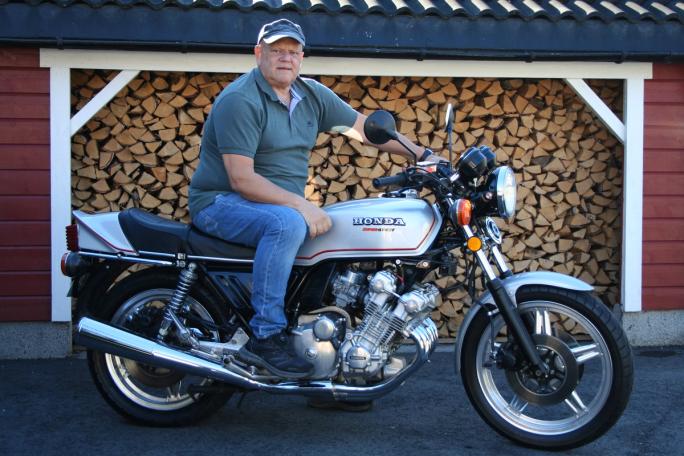
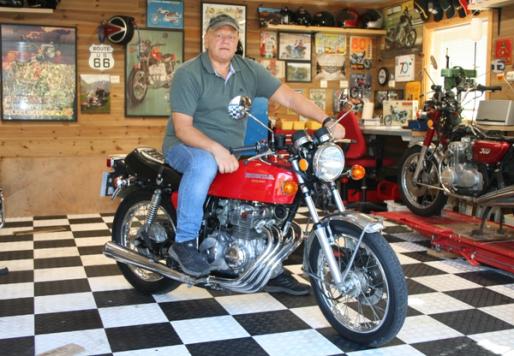
Roger in the saddle of one of the favorites from the collection, Honda CBX1000
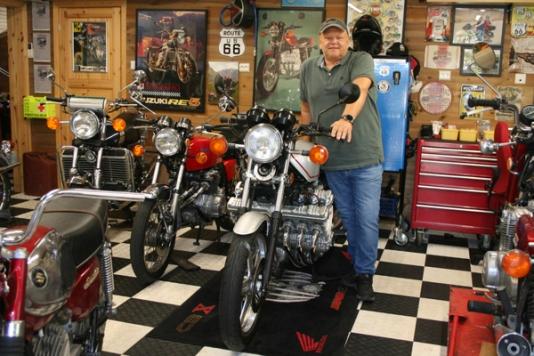
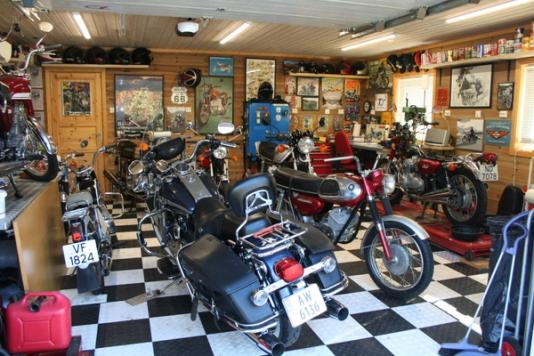
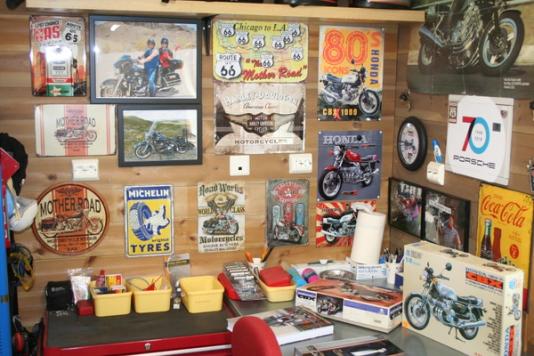
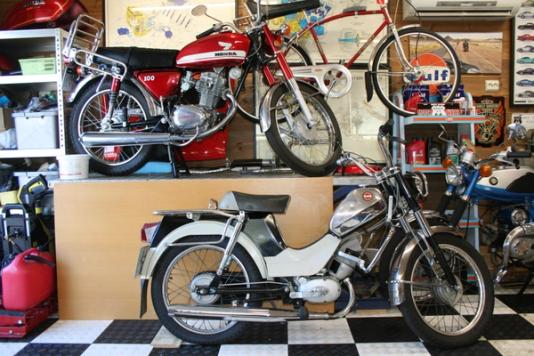
If you were born in the mid-1960s, you were old enough to experience the "invasion" of Japanese motorcycles in the 1970s, at least if you had an interest in mopeds and motorcycles. For Roger Paulsen, the encounter with Japanese motorcycles at Notodden in that decade was something that has followed him his whole life, and the garage at home in Sauland is more like a little piece of Japan in Telemark.
0/0
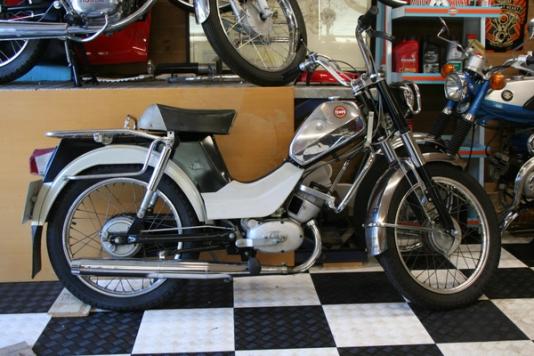
Roger started, “traveling” on a Tempo Corvette 290 with manual transmission. Tempo mopeds were both affordable and accessible in the 1970s, and in many ways were the entry ticket to motorcycling. But then, they were these Japanese motorcycles back then, these gorgeous, sleek and powerful machines.
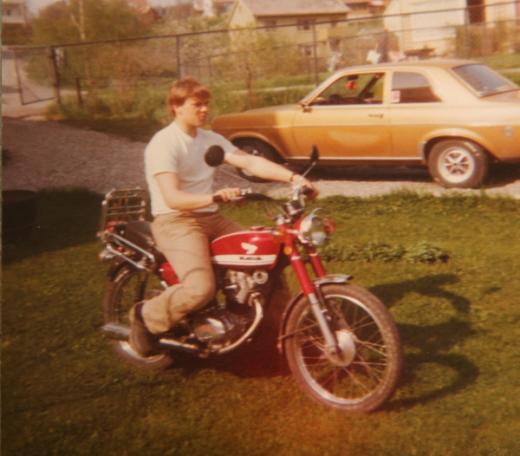
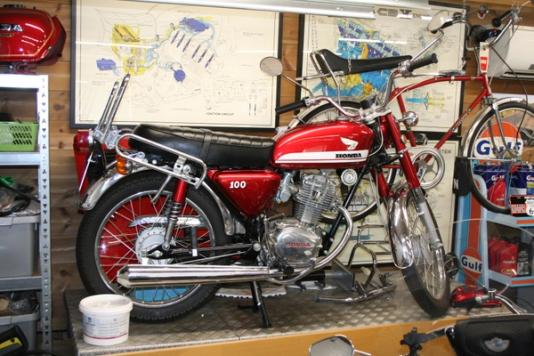
Roger on his first motorcycle, a Honda CB100.
100 motorcycles with big and small
For Roger, the sight of a Honda CB100, specifically a 1972 model, was a trigger, he just had to have it. This was in 1978, and with this 100cc bike began his interest in Japanese motorcycles. Since then, he has bought, restored and sold close to 100 motorcycles, big and small.
RE-5 and GT750
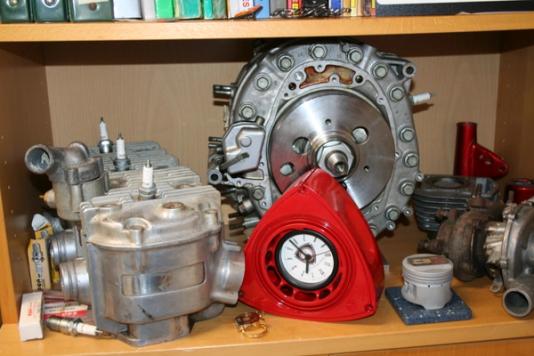
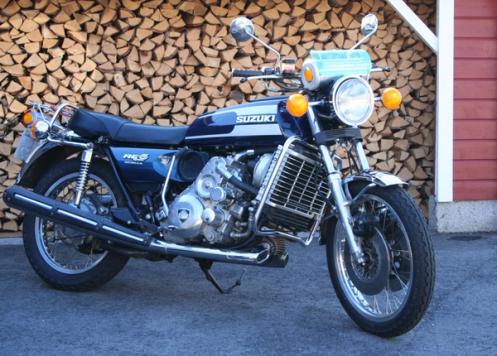
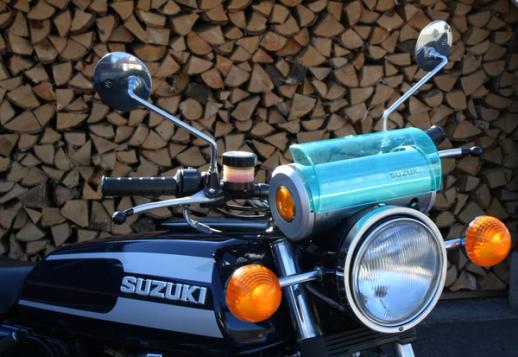
Honda has always been highly regarded, and models such as the CB450, CB750Four and CB900F have been in Roger's possession. Suzuki comes in a good 2nd place, and he has had, among other things, all versions of the famous "Waterbus", the GT750. That means 6 years in practice, from the first one that came in 1972 to the last one that was produced in 1977. Now the garage is empty of waterbuses, but what does that matter when you can adorn yourself with a clean example of the spectacular Wankel-powered Suzuki RE-5Rotary, clean of course and with just under 9000 miles on the odometer. Roger hastens to add that some models from both Yamaha and Kawasaki have been in and out of the collection, including an LS2 that was Yamaha's hottest lightweight in the 1970s, and not least a Kawasaki Z900, the super four that was once meant to compete with Honda's CB750Four, which it did in terms of power and performance.
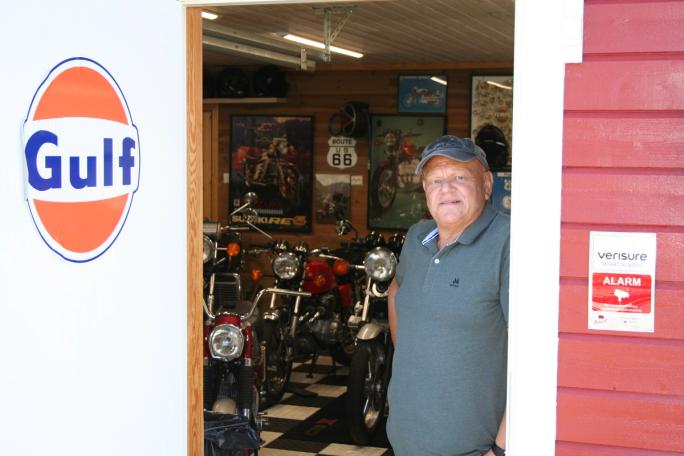
The door to Roger's man cave is worth a visit for any classic car enthusiast.
From CB100 to CBX1000
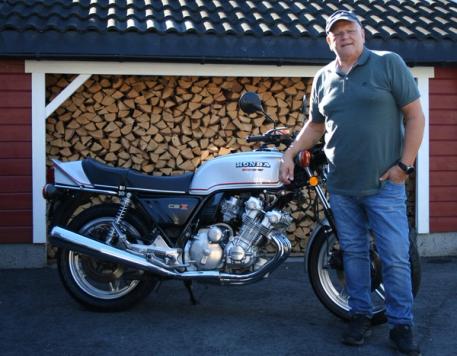
When I ask Roger if he has a favorite brand, he digs into it a bit. "Honda's 4-strokes were big things," he answers. The 100cc that was his first motorcycle has left its mark, and in addition to that, the collection consists of both a CB400 Super-Sport and a CB350Four. The latter inline-four is said to be the one of the inline-fours that Soichiro Honda himself thought was the best of them all. Roger is in the process of restoring it, which will take time as parts for this particular model are difficult to get. In the middle of the collection, however, stands the jewel in the crown, a blood-stained six. We're talking about the CBX1000 Super Sport, this spectacular behemoth of a sports machine, which Honda launched in 1978. Honda surprised the entire motorcycle world in 1968 with the unveiling of the CB750Four at the Tokyo Motor Show, and Roger has of course, as the Honda enthusiast that he is, had one of these inline-fours. However, Honda made the entire motorcycle world shine again 10 years later, in 1978. Then they showed the CBX1000 to the press and the public.
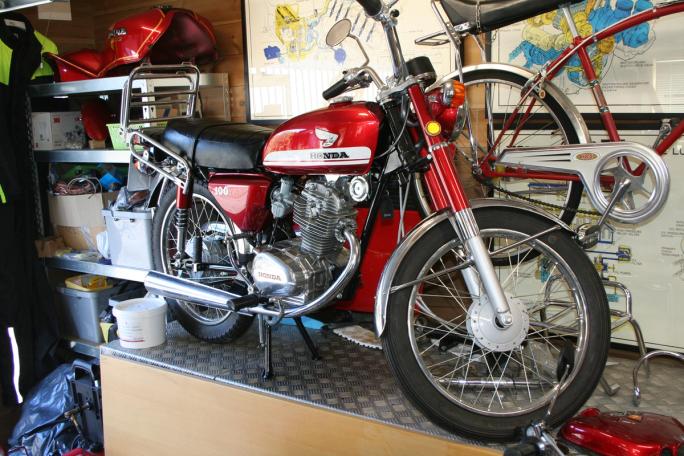
Honda CB100 was the dream of many 16-year-olds in the 70s
CBX props
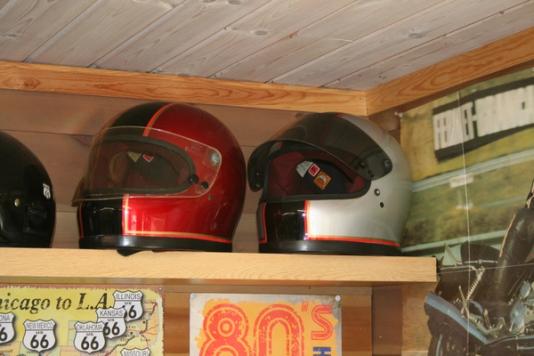
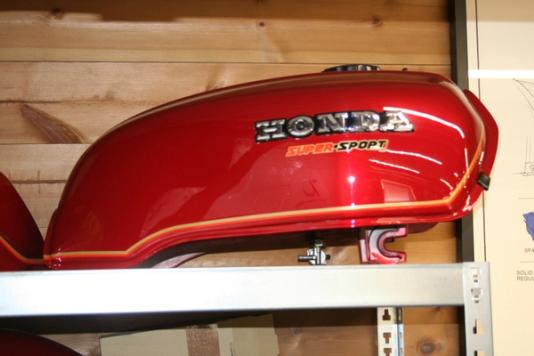
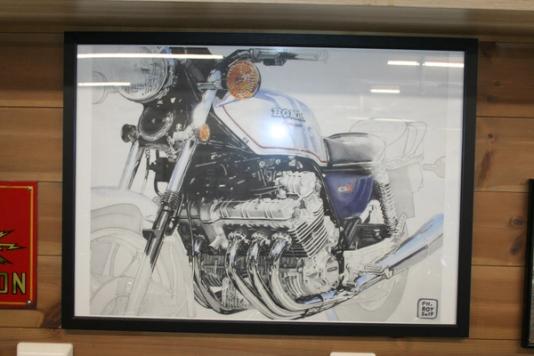
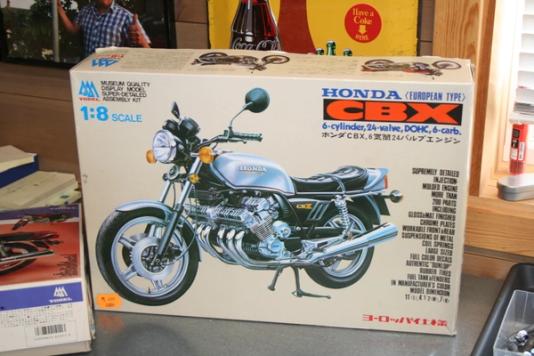
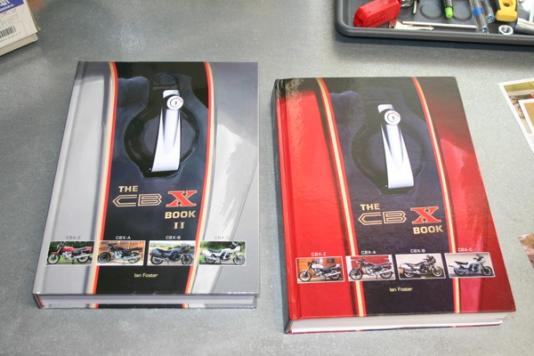
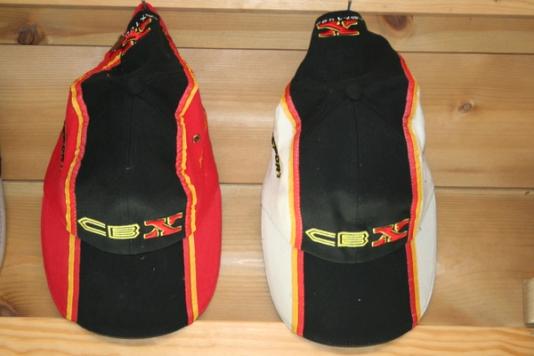
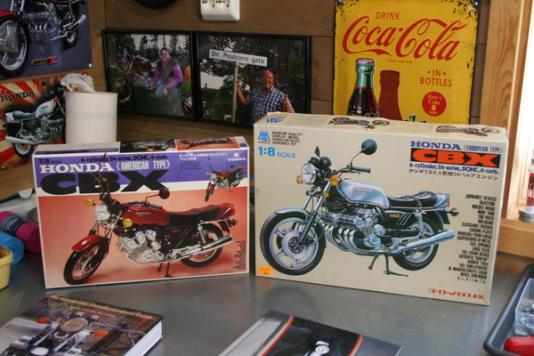
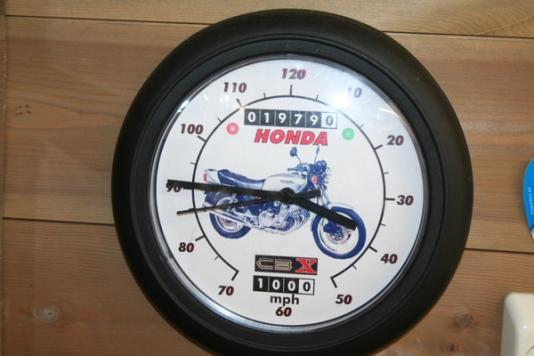
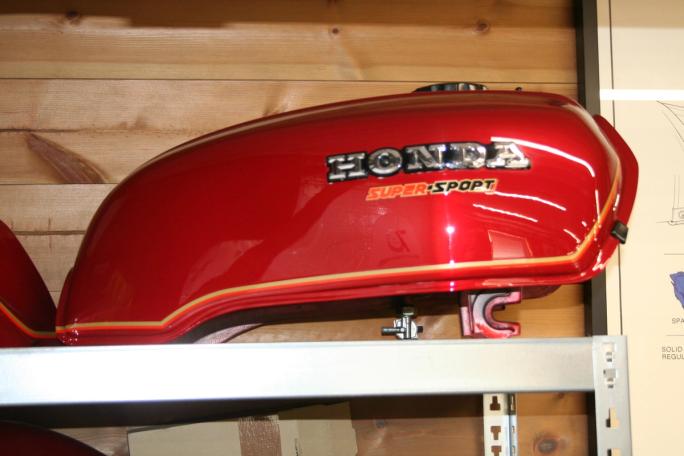
Roger bought his CBX in 2011, and has changed both the saddle, the exhaust system, the instruments and various other small parts here and there. The bike looks almost like new, and the sound from the inline-six cannot be described, it has to be experienced. Rumor has it that the engineers at Honda made sound recordings at a fighter base, and designed the exhaust system so that the sound when the throttle is pressed should be reminiscent of a jet fighter. Whether this is actually true is difficult to verify, but regardless, the sound from the two pipes is indescribable. The inventory in the garage testifies that this particular Honda can be described as the jewel in the collection. Posters, metal signs, wall clocks and scala construction kits, all with CBX motifs, speak for themselves. And, it doesn't stop there. Up on one shelf is a complete paint kit in candy red. On the other shelf is something as spectacular as two specially designed CBX full-face helmets, of course painted in candy red and Silver respectively. Did I hear someone say "nice to have"?
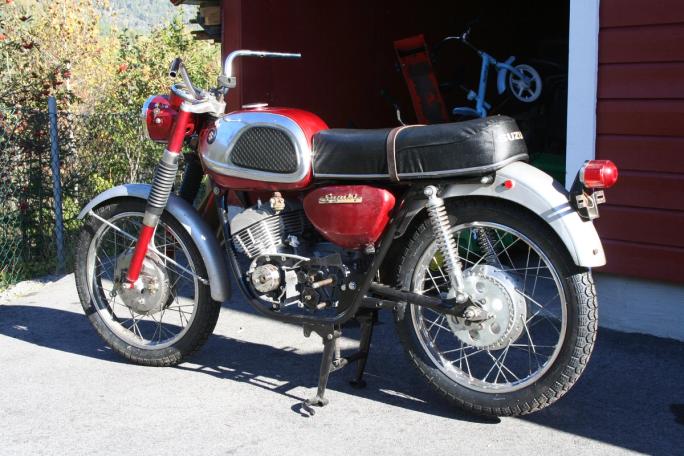
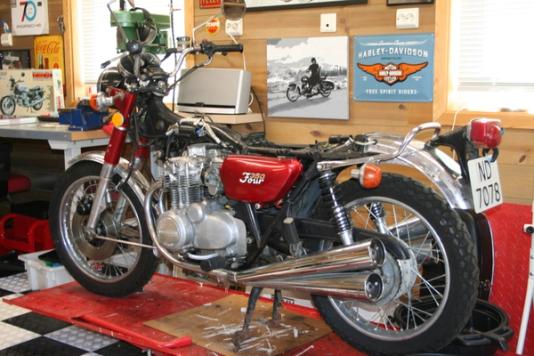
T-20 on its way "under the microscope". It is one of Roger's "local" motorcycles from the local area
Suzuki T-20 and AS50
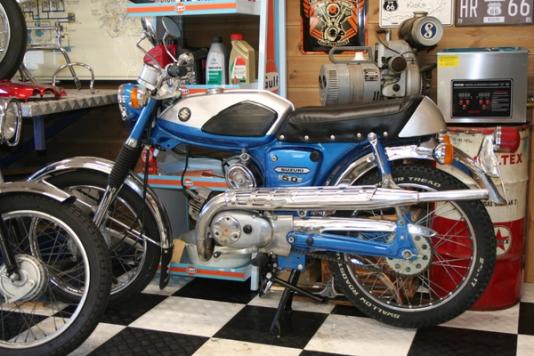
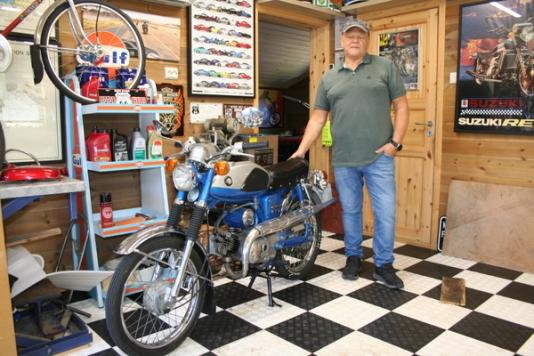
Although a CBX and an RE-5 take up a lot of space, Roger has room for more on 2 wheels. In recent years, interest in smaller machines has increasingly attracted his attention. When we stopped by, he was restoring a Suzuki T-20 from 1967. This is a local bike, which has been rolling in Notodden. When Roger got it home in the garage, the engine had been overhauled, so now what remains is what he refers to as "the easy part of the job". Suzuki T-20 was in many ways the model that positioned Suzuki in the European motorcycle market when it went on sale in 1965. The angry little 2-stroke twin with 250 cc beat much larger machines in terms of both quality and speed resources when it was new. The smallest of the Japanese machines in Roger's collection is a great example of a Suzuki AS50, the precursor to Suzuki's best-selling Suzuki AC50. The moped is, from what Roger has learned, also a local two-wheeler, and if we know the enthusiast Paulsen correctly, it will not be the last bike for the collector from Sauland.
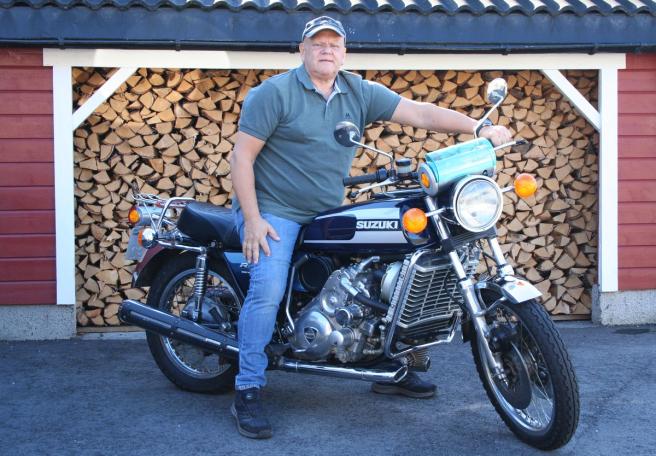
Rogers' RE-5 appears new, and proves that Suzuki was not afraid to break new ground.