
He could never forget the sound of the six.
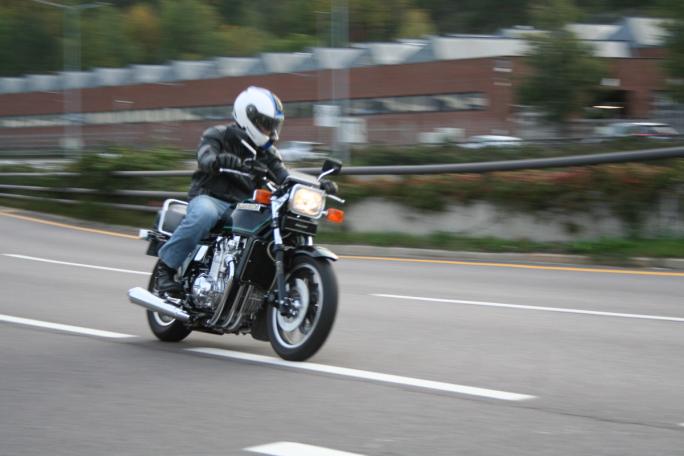
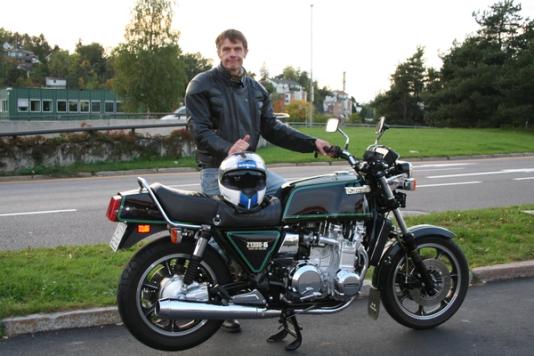
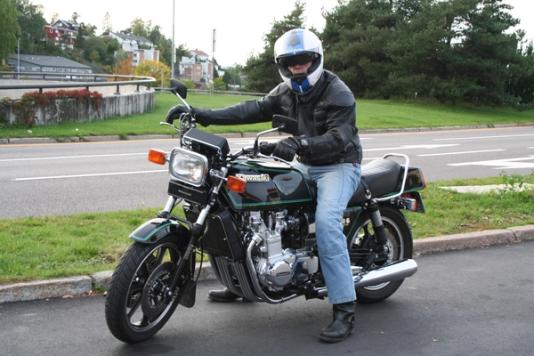
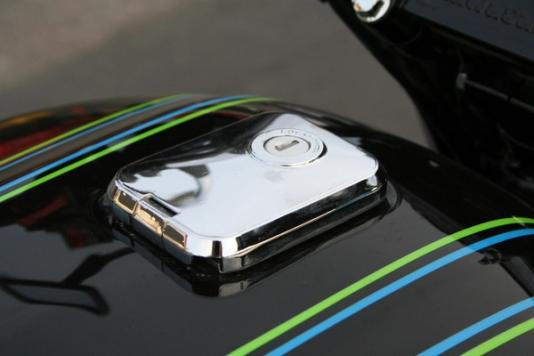
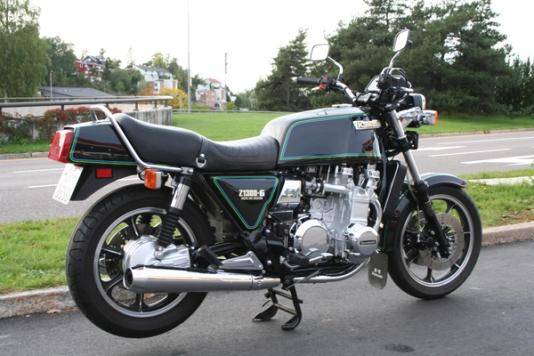
For Oddbjørn Mikkelborg, originally from Harstad, now living in Bærum, there was no way out. “I just had to have this six, you know.” He and his partner were out for an evening walk in Kristiansand when he spotted the bike that he had seen in Harstad when he was young, and had always dreamed of owning, a Kawasaki Z1300 Dfi. There it was, displayed in a shop window, and for sale at that. The price tag was high, but in return the bike was almost better than new!
0/0
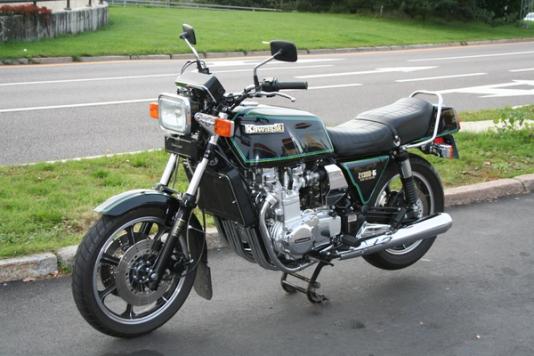
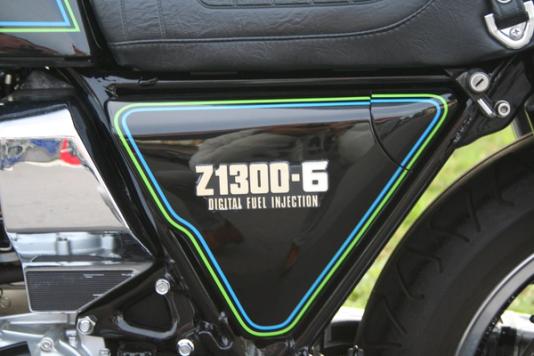
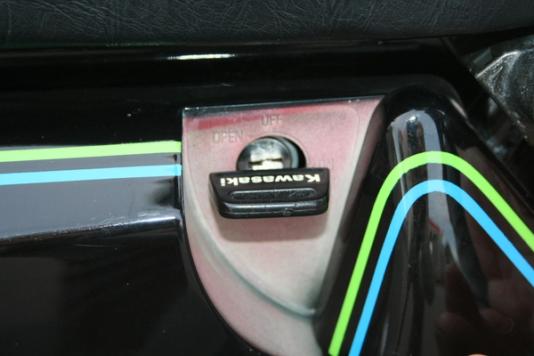
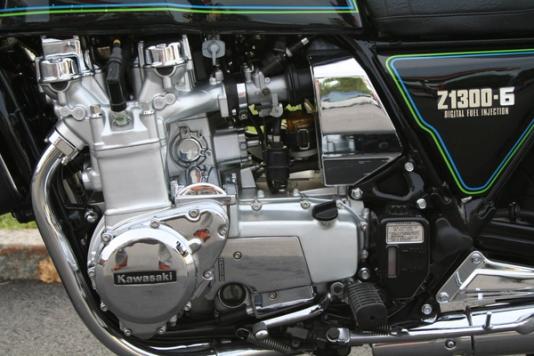
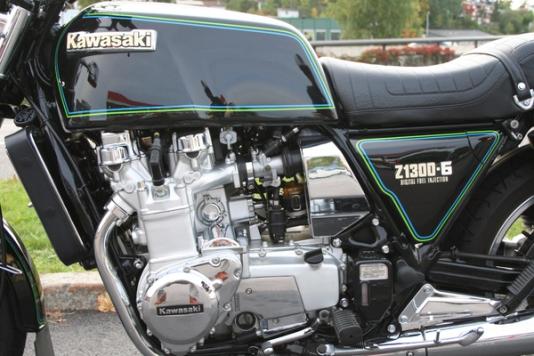
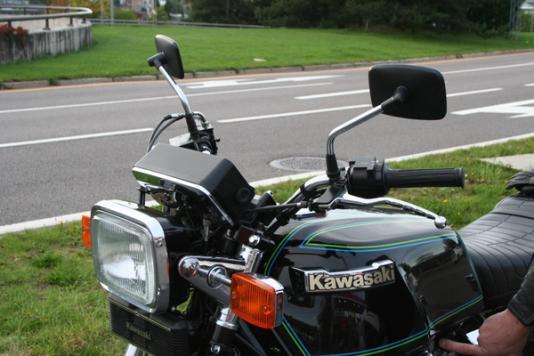
In his younger years, speeding away on his 100cc bike in Harstad, there were many tough motorcycles that caught Oddbjørn's attention. The Japanese motorcycles dominated the street scene, and there was one machine in particular that stood out from the others; an impressive motorcycle with a straight-six engine across the frame, placed under a massive gas tank with a beautiful steel tank emblem that said Kawasaki . The side covers said Z1300Dfi, just like the bike in the shop window in the southern town many years later. Oddbjørn remembers the bike from his youth in Harstad, and adds that "It was massive, but what I remember best was the sound of the six, I'll never forget it."
70s sixes; Benelli , Honda and Kawasaki
To understand the Z1300 phenomenon, and this behemoth of a motorcycle is almost a phenomenon, we cannot get past Honda's spectacular six-pack CBX1000. The Honda that came in 1978 showed what the company was good at, and in the fierce competition between the Japanese brands, Kawasaki could not help but answer the charge. Motorcycles with six cylinders are not, and have never been, a dime a dozen, but in the 1970s a few examples of the species appeared. First up was Benelli , and they were equally successful with two models, the SEI750 and SEI900. Now neither of the two sixes was a box office success. Benelli was a narrow brand, and in the competition against the Japanese motorcycles they became a peripheral manufacturer. However, things became completely different when Honda shocked the entire motorcycle world with its six-cylinder 1000-cubic-liter CBX. The model was big, strong, heavy and spectacular in every way.
Kawasaki responds to Honda accusations
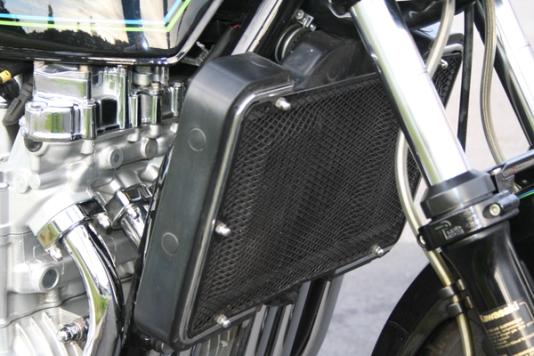
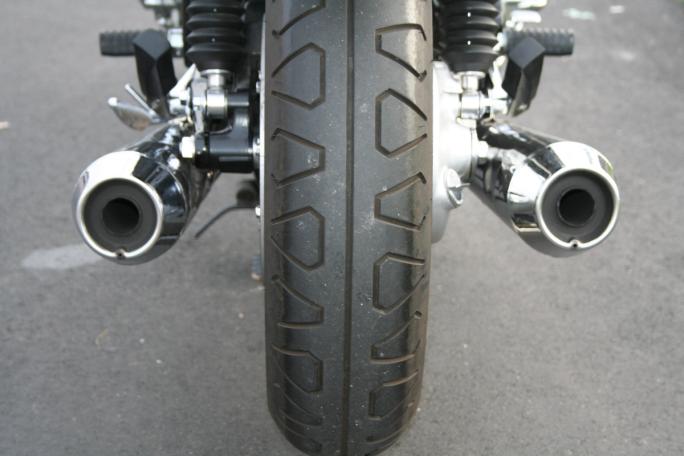
Even the exhaust system was a separate chapter, designed to sound like a jet fighter during take-off. The engine hanging in the frame was a technological masterpiece, and with double overhead cams and 24 valves it pumped out a whopping 105 hp. Honda had surprised the entire motorcycle world barely 10 years earlier with the CB750Four, and at that time it took 3 years before Kawasaki took up the gauntlet and responded with the Z1. With the introduction of the CBX in 1978, Kawasaki did not wait long, and in 1979 an answer came in the form of the water-cooled giant Z1300. Kawasaki's straight-six beat the Honda by a whopping 15 hp, and the 120 horsepower transferred the excess power to the asphalt via a cardan shaft.
DFI; Digital Fuel Injection = 130 hp
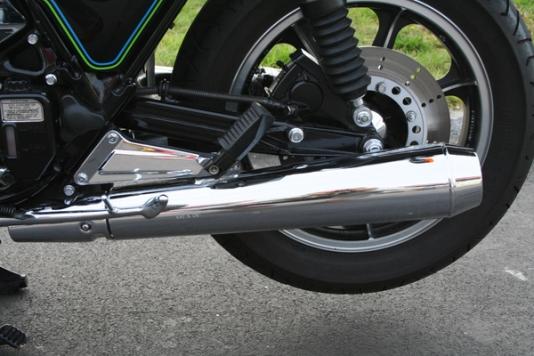
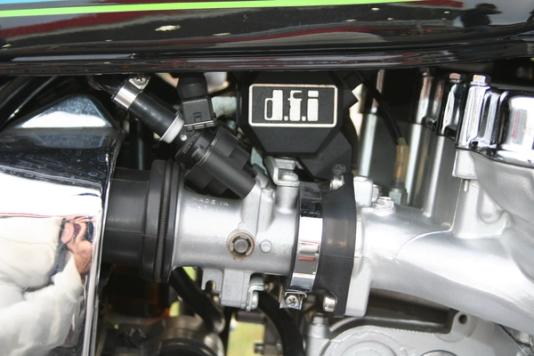
From its debut in 1979 until 1983, six carburetors fed the cylinders with fuel. In parallel with the development of the Z1300, Kawasaki had tested fuel injection on the sports model GPZ1100, and from 1984 the Z1300 was delivered with this technology. The side covers now read DFI, which increased the power to a full 130 hp. The Z1300 had now become a pure locomotive, with a powerful inline-six that delivered power over a wide range. Compared to Honda CBX1000, the Z1300 was less sporty in its lines, and had a slightly more modest exterior. Where the engine in the CBX could look like it was about to grow out of the frame, the six in the Kawasaki was far narrower and more discreet. Both models had 6-2 systems, but where the exhaust pipes on the CBX were slightly upturned for a sportier ride, Kawasaki chose to place the pipes in a straight horizontal line. The Z1300Dfi was produced until 1989. By then the hourglass for this type of motorcycle was running out, and 10 years of production was enough. Not because the Z1300Dfi was a bad motorcycle, on the contrary, it had very few weaknesses. However, the new era demanded a modern chassis, and not least more power. The Z1300Dfi was long overdue!
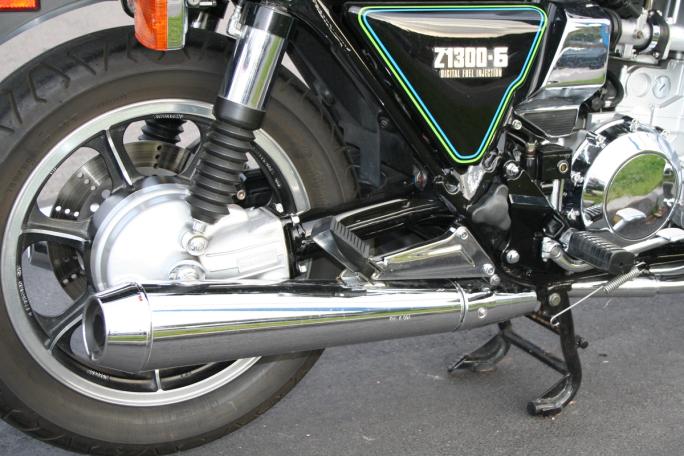
The cardan shaft was a wise choice to transfer the power from the inline-six to the asphalt.