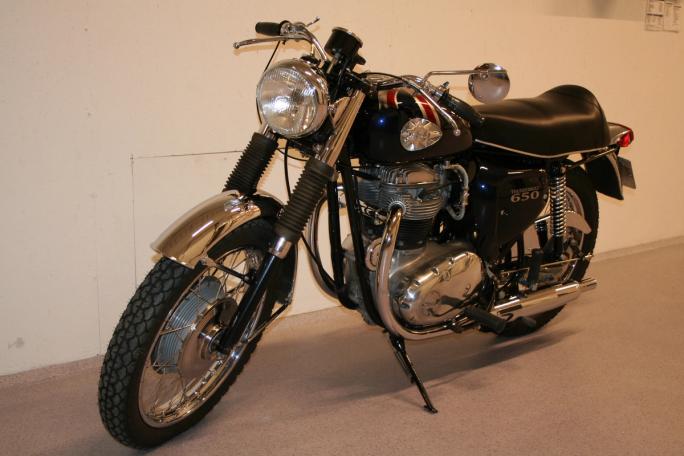
Gard Ivar's Thunderbolt
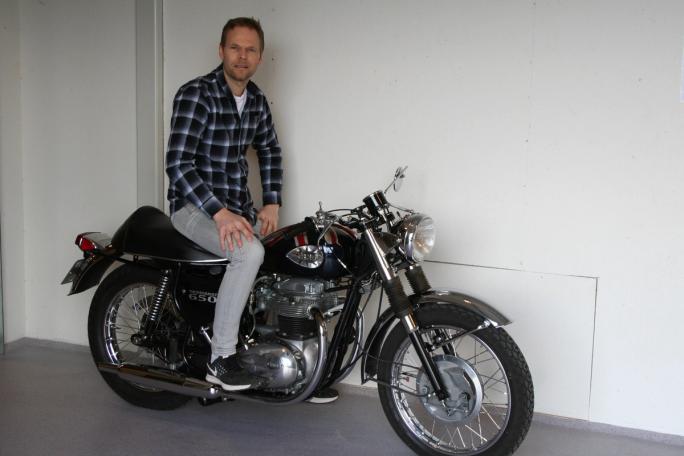
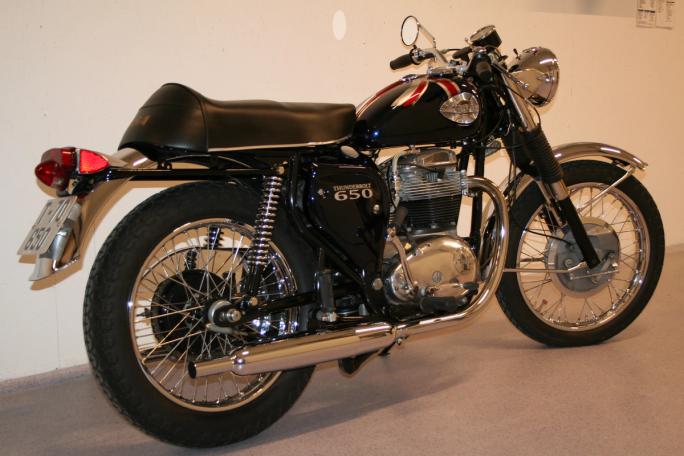
Gard Ivar Ansok with his polished BSA 650 Thunderbolt
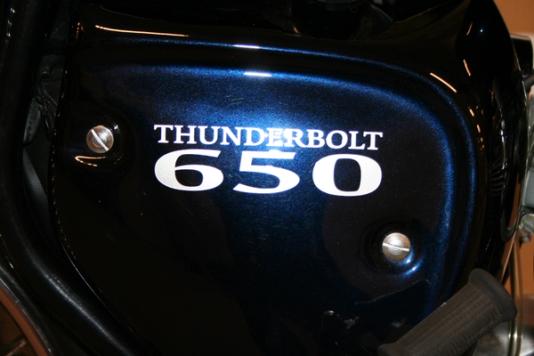
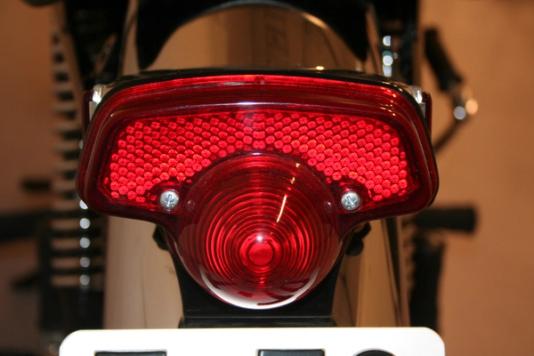
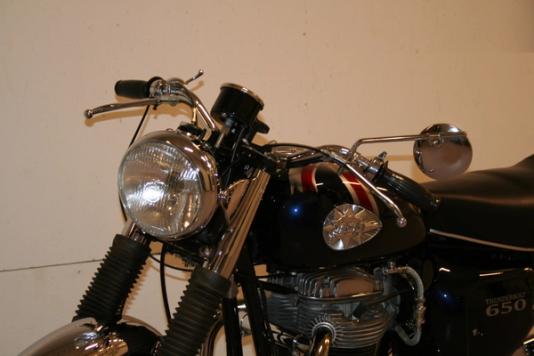
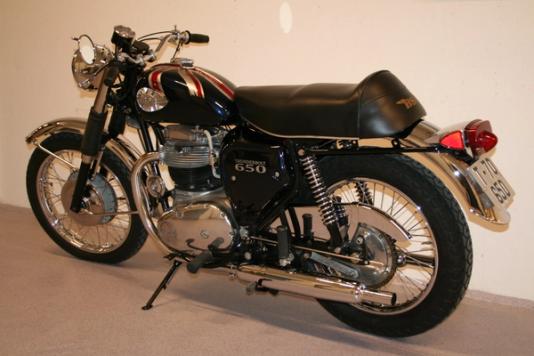
The start of the 1970s was the beginning of the end for what was once the world's largest motorcycle manufacturer, Birmingham Small Arms, or BSA . The brand was struggling, both financially and technologically, and despite upgrades to the 650cc Thunderbolt, it was far from sufficient to survive in a global motorcycle market. The Thunderbolt is a great machine, however, and the example I present here, a 1970 model, belongs in Sunnmøre, more specifically in Skodje.




0/0
650 cc and 50 hp
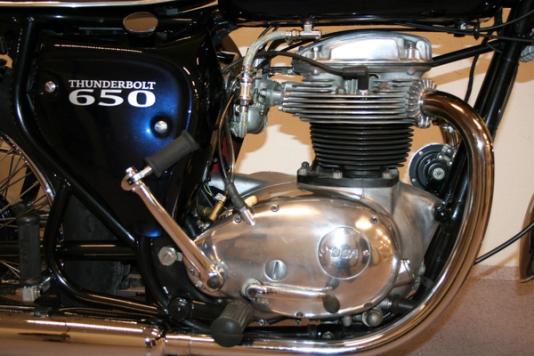
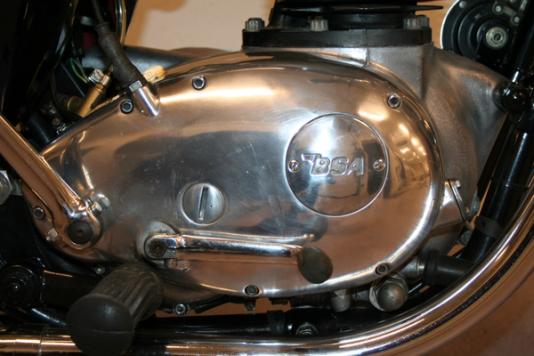
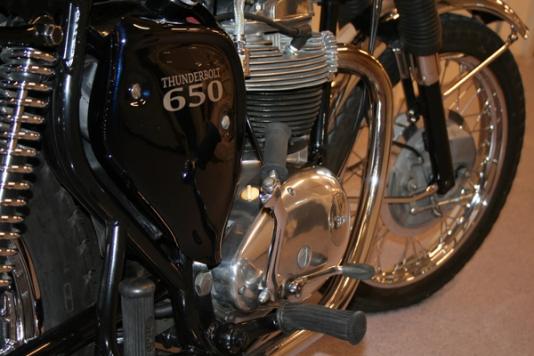
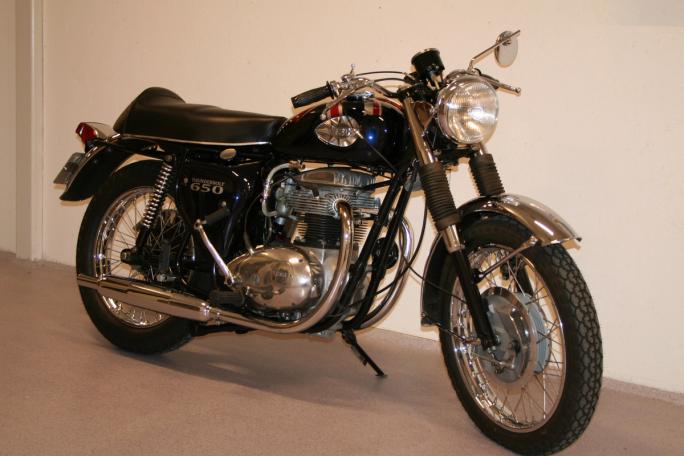
The Thunderbolt has its roots back to the early 1960s, a time when the time was ripe for the development of a new generation of engines at BSA . The work was led by Herbert Hopwood, one of the ringleaders in the English motorcycle industry. In 1962, BSA launched the two parallel twins A50 of 499 cc and A65 of 654 cc. This was a new series of unit engines that replaced the old pre-unit series A7 and A10. The A65 was often referred to as the “poweregg” based on the engine’s appearance, which was reminiscent of an egg, a powerful one. The 650 cc became the power source in legendary BSA models such as the Rocket, Lightning Clubman and not least the Spitfire. The engine’s performance was around 50 hp, depending on whether it was equipped with single or dual carburetors. Gard Ivar Ansok's Thunderbolt has a single carburetor, but the 46 hp performance is still nothing to complain about, and "It pulls smoothly and well through the entire range," says Gard Ivar. The single-carburetor version is also easier to adjust than the versions with dual carburetors, which require precise synchronization for the engine to run smoothly.
An object with a Chopper look
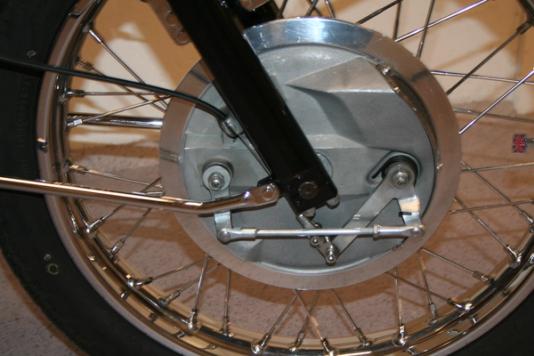
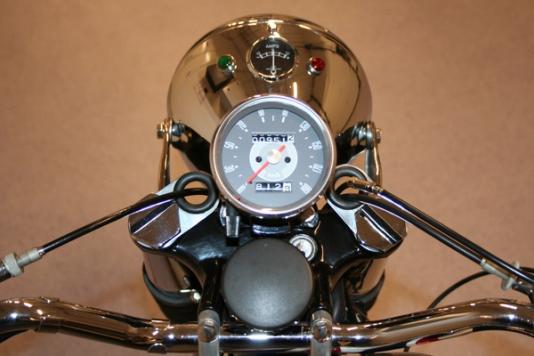
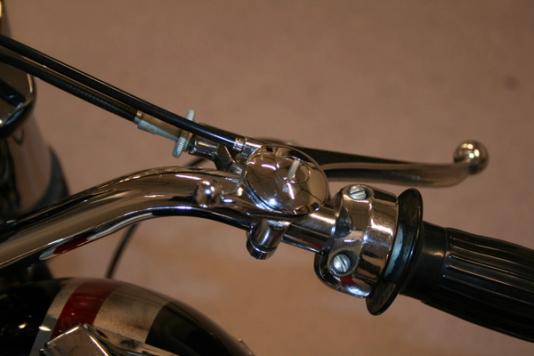
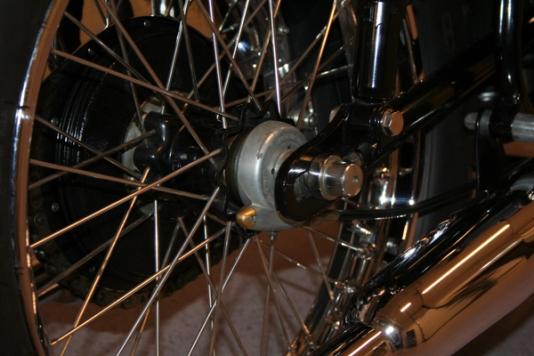
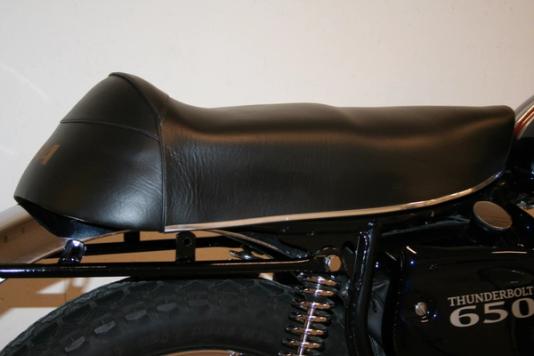
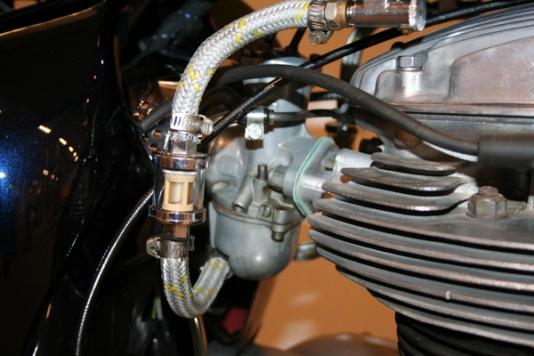
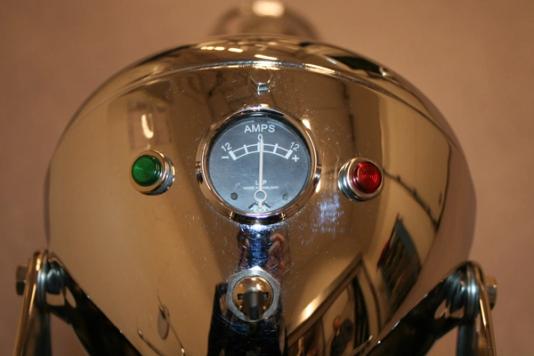
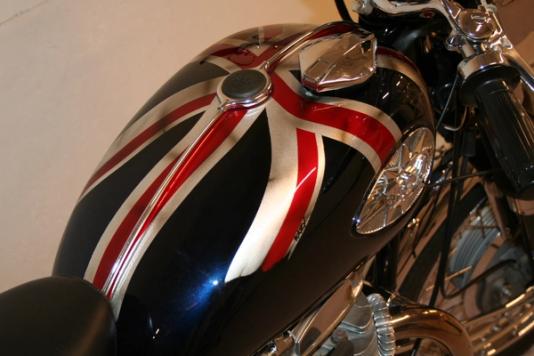
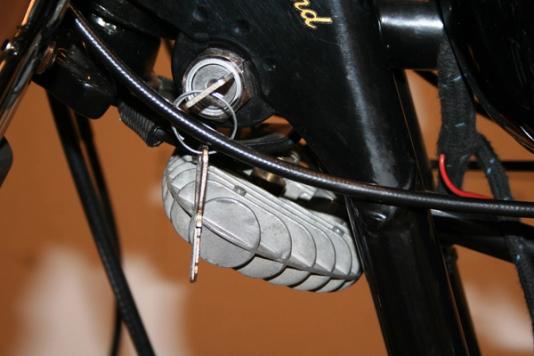
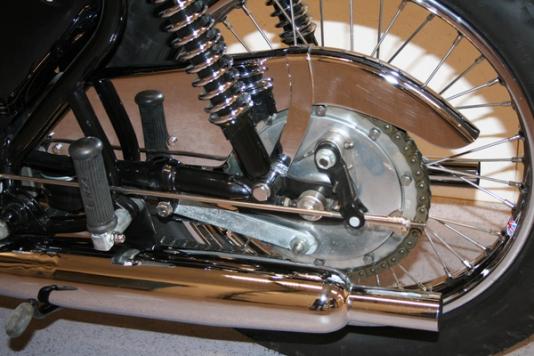
Gard Ivar bought the Thunderbolt in Ørsta in 2014. It was imported from the USA at the time, and had a typical "chopper look", with long forks and a chopper saddle. The bike was, with the exception of the "power egg", in generally poor condition, so Gard Ivar stripped it down to the smallest screw, and then began a painstaking restoration. The frame and a number of smaller parts were sandblasted and powder coated, and new chrome was applied to a number of parts. New wheels were purchased, and parts that could be reused were repaired. However, some had to be replaced in favor of new parts. As previously mentioned, the engine was in good condition, but Gard Ivar wanted a more reliable and safe engine, so he changed to electronic ignition, and installed an oil filter. Gard Ivar's Thunderbolt is a so-called "oil in frame" model, which means that the frame partially functions as an oil tank. This was one of several "improvements" to BSA 's models at the beginning of the 1970s. In retrospect, this was not a technological solution that was of any significance.
Inspired by the TV series "With the Heart in the Right Place"
Gard Ivar's interest in mopeds and motorcycles started early, and he has owned a number of Japanese models. When he saw a few episodes on NRK of the English series "With a Heart in the Right Place", where the action takes place in the English village of Aidensfield, he really opened his eyes to classic English motorcycles. "I just had to get an English motorcycle," he says, and the Thunderbolt, which today appears better than new, was brought from the other side of the Storfjord, from Lars Johan Bjerkvik, who had a garage full of "Englishmen" for sale. The Thunderbolt was completed in the spring of 2018, and Gard Ivar is now looking for a new object, preferably a war model, and most preferably a BSA . Then we'll see if the handy Sunnmøring comes across a WM20. Then there will be new sessions in the workshop.
Technical data BSA 650 Thunderbolt, 1972 model:
Engine: 2-cylinder 4-stroke OHV
Displacement: 654 cc
Compression: 9.0:1
Power: 46 hp at 7000 rpm.
No. of gears: 4
Front tires: 3.25 x 18
Rear tires: 3.50 x 18
Tank: 18 liters
Weight: 177 kg
Top speed: 174 km/h