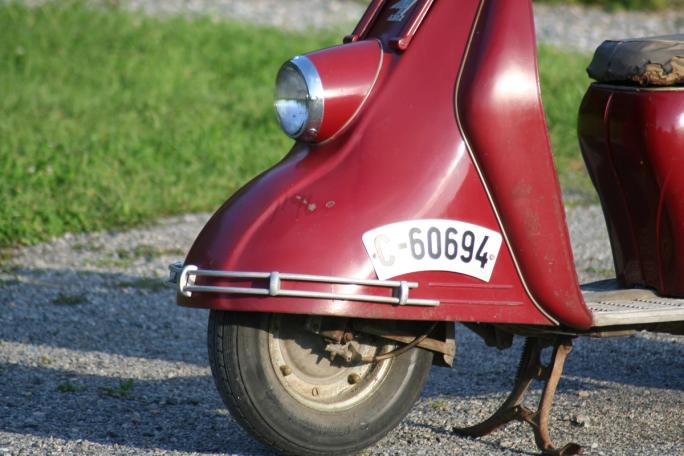
Frank Robert's low-flying Heinkel
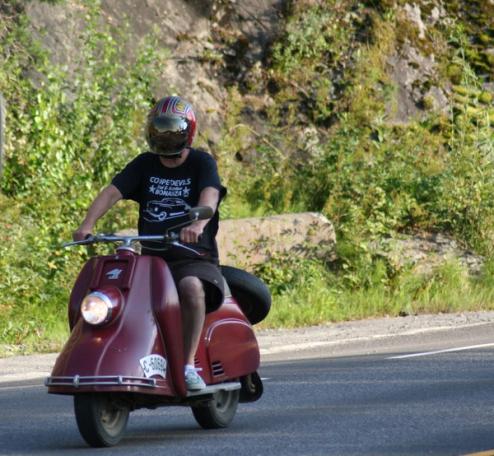
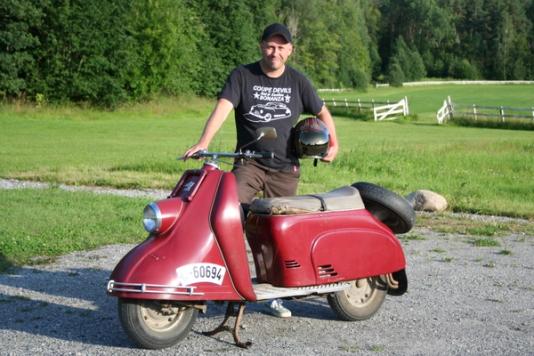
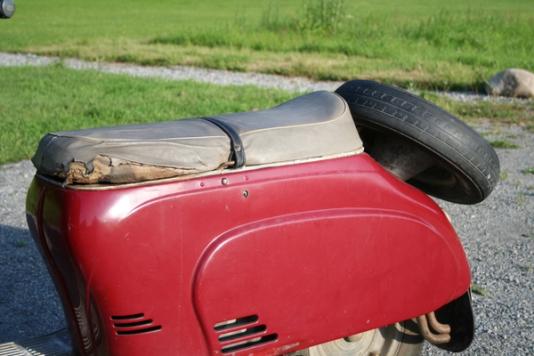
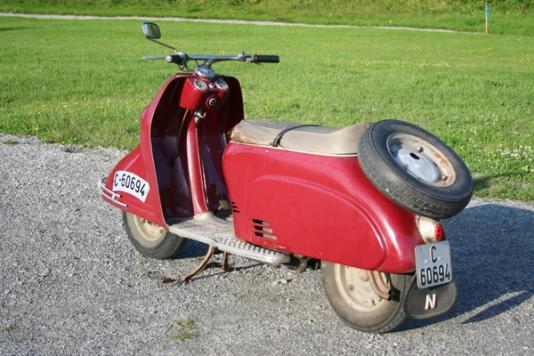
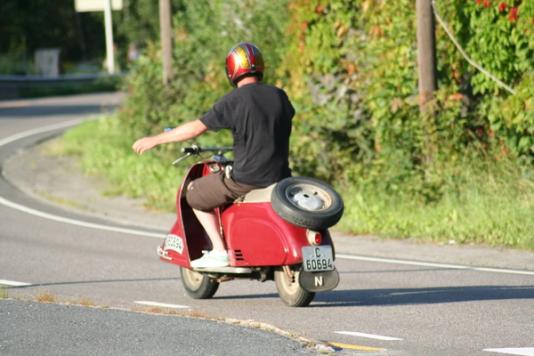
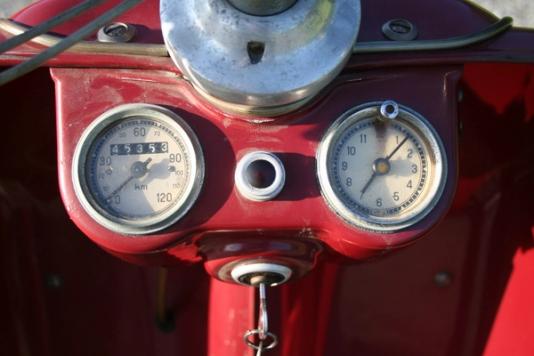
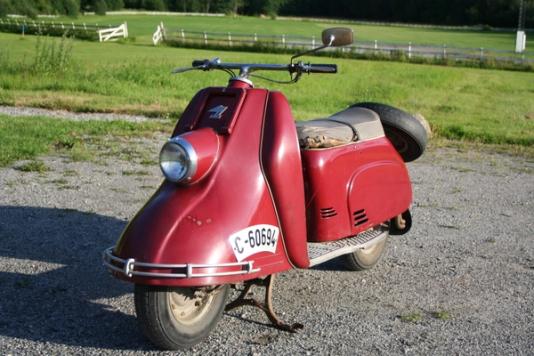
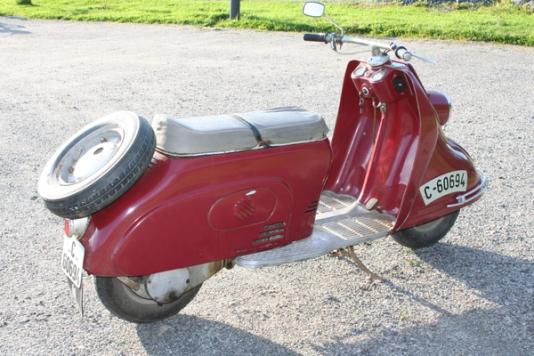
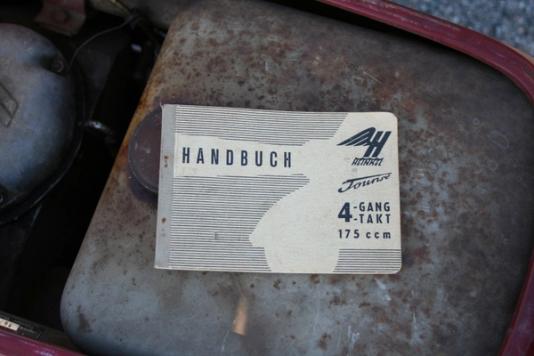
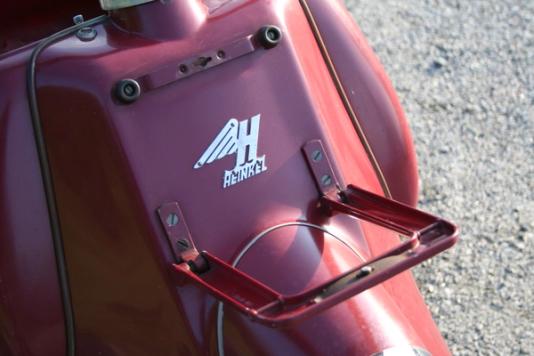
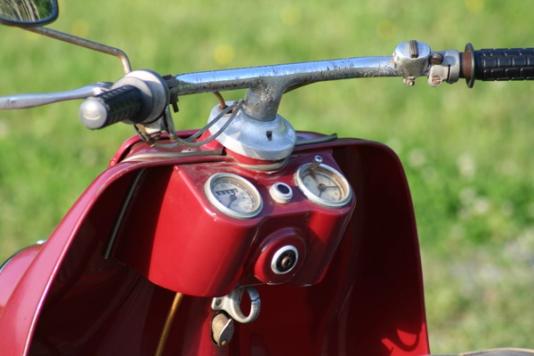
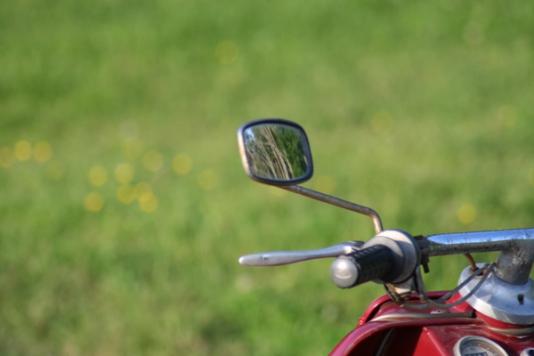
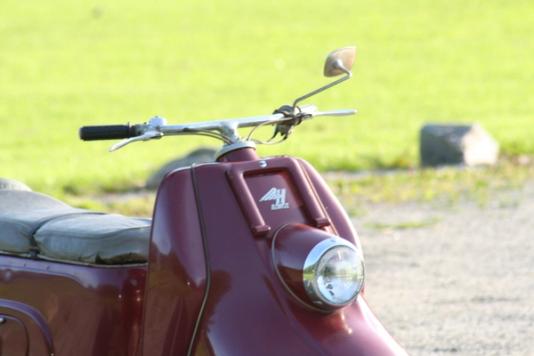
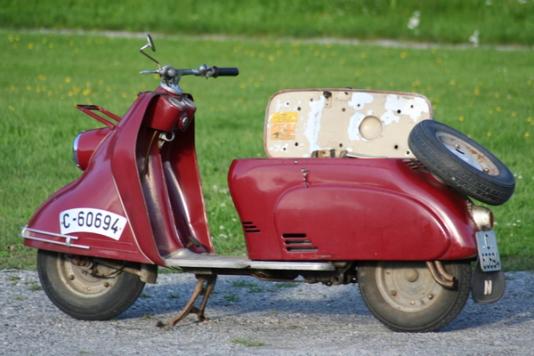
Frank Robert Weydahl had known about the scooter for a long time, and when it was put up for sale he was ready with cash. Thus he secured this rare example, an original and patinated Heinkel Tourist 175, sold new in Norway in the spring of 1958. In the summer months Frank Robert can enjoy the sun, the scent of the cornfields, and not least the sound of the Heinkel as he “flies low on the winding roads in Follo.
0/0
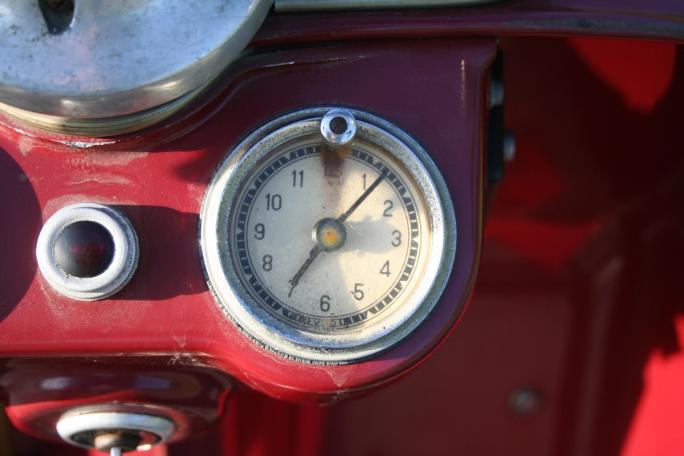
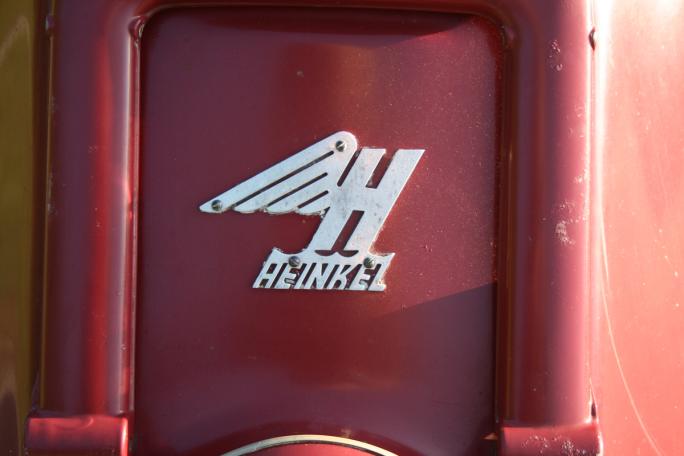
For many, the name Heinkel is probably synonymous with German warplanes, which of course is not taken out of thin air to put it that way. Ernst Heinkel (1888-1958) started with aircraft construction in 1922 together with Claudius Dornier and Hugo Junkers. The latter's surname is also closely associated with military aircraft. The history of aviation is closely intertwined with the German Nazi regime, which we will not go into further here, but it must be mentioned because the restrictions that much of the German iron and metal industry was imposed by the Allies after 1945 required a conversion to new products. Heinkel met the conversion by, among other things, producing mopeds, 3-wheelers and scooters. The first scooter came in 1953, and was equipped with a 1-cylinder 4-stroke engine of 149 cc. 4-stroke engines were not common in the popular scooter models from Vespa and Lambretta , which used 2-stroke engines, and this gave Heinkel a more exclusive feel. The following year, in 1954, the first moped from Heinkel came called "Pearl". This had something as exclusive as an aluminum frame, was equipped with a 49 cc 2-stroke engine, and reached a top speed of 50 km/h.
Heinkel challenged Messerschmitt and BMW
In 1954, the Tourist was upgraded and now had a more powerful 174 cc engine. Production of the Tourist went steadily, and in 1957 it got a little brother, the Roller 112, with 125 cc. Heinkel had great faith in the lightweight since this segment was popular in Europe after the war, but the Roller 112 never became the sales success that Heinkel had imagined. In parallel with the production of scooters and mopeds, Heinkel produced small 3-wheelers with a driver's cabin and space for 2 people. The best known is probably the Kabine model, which was available with two engine options of 174 cc and 198 cc. The model competed for customers against, among others, Messerschmitt's "Kabinenroller" and BMW Isetta.
100,000 copies
The Heinkel Tourist was produced in approximately 100,000 copies in the period 1953-1965. 5 series or models were made. The 149-cc engine was designated 101A0 and was only produced in 1953. This had a 3-speed gearbox and kick start. In 1954 the 102A1 came with a 174 cc engine, 12 volt electrical system and electric start. In the autumn of 1955 the 103A0 came. The biggest news on this was the 4-speed gearbox and 10 inch wheels. Both of these contributed to the scooter becoming both more stable and faster. Compared to other scooters of its time, the Heinkel was considered by many to be relatively exclusive. A scooter with a 4-stroke engine and electric start stood out in the crowd, and offered good driving comfort for both driver and passenger.
Technical data Heinkel Tourist 175, 1958 model:
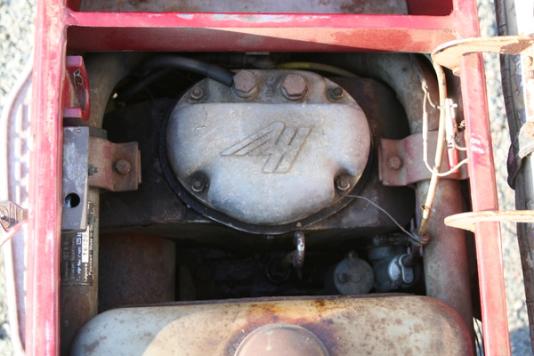
Engine: 1-cylinder 4-stroke, OHV
Displacement: 174 cc
Power: 9 hp
Front tires: 4 x 10
Rear tires: 4 x 10
Start: Electric start
Weight: 150 kg