
"I bought it from Lena, my sister-in-law"
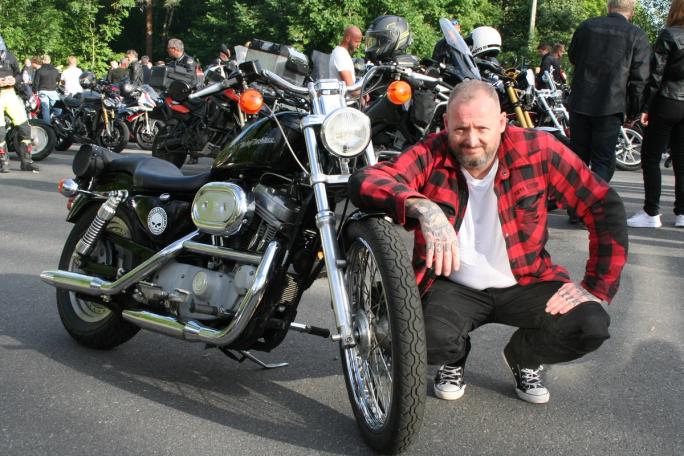
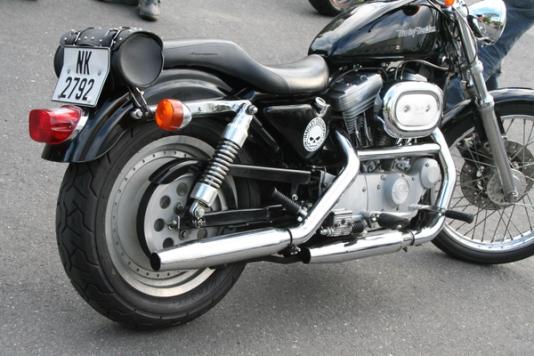
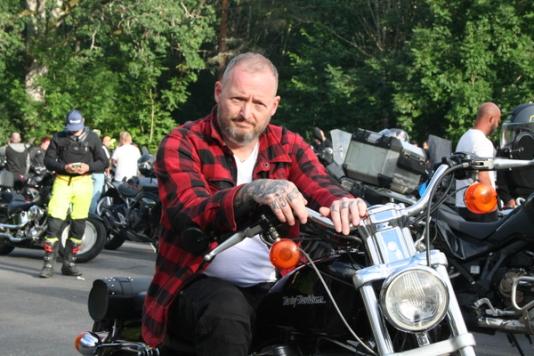
When Harley-Davidson began selling the Sportster in 1957, they were unlikely to have realized that this particular Harley would become one of the longest-produced models in the brand's long and distinguished history. Kenneth Bareksten from Oslo belongs to the " Sportster congregation", and thrives in the saddle of the nimble iron from Milwaukee.
0/0
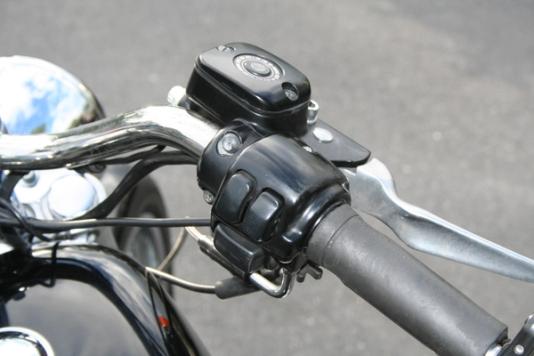
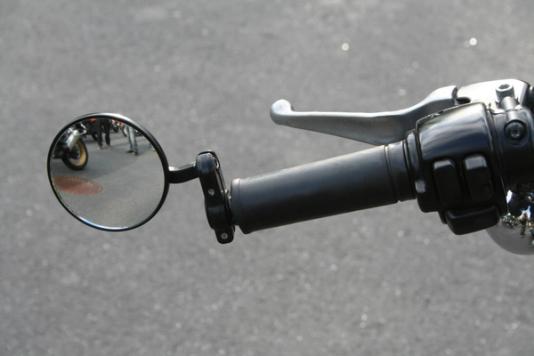
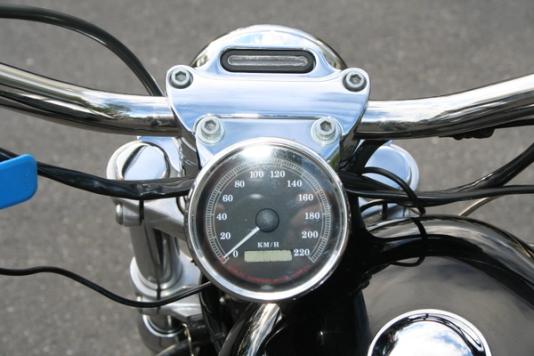
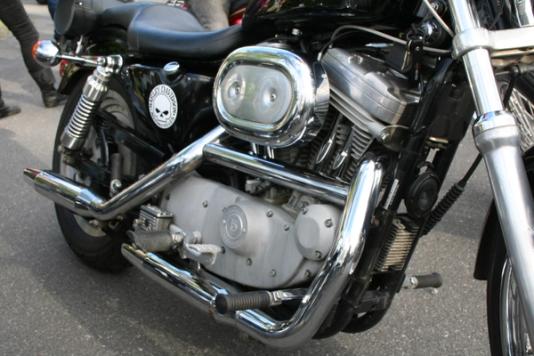
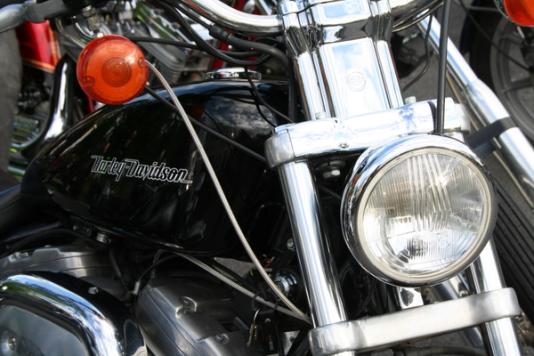
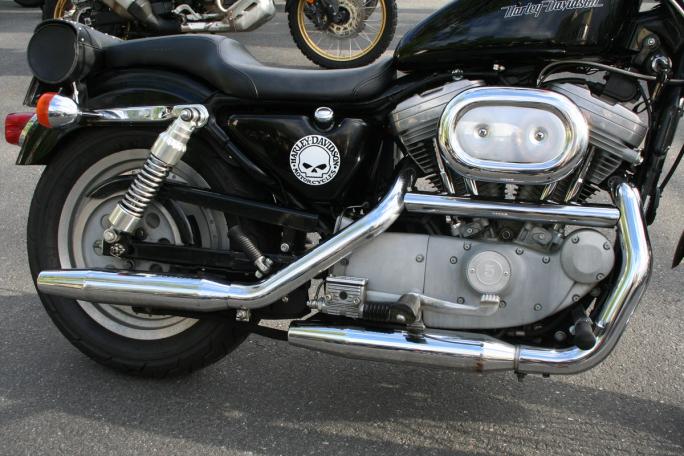
I have struck up a conversation with Kenneth Bareksten who lives in Veitvet in Oslo. He fell for the Sportster for several reasons, and can tell you that; -The Sportster was purchased three years ago. I bought it from my sister-in-law Lena, who had been riding it nicely since 2000. I have always liked the bare, classic shapes of old Harleys. There is something clean about it, just the engine, wheels and chrome. No plastic, no frills. So why Sportster in particular? I think the model preserves the old image from the sixties and seventies, before everything got bigger, heavier and more decorated. It feels like a real motorcycle and not a sofa on wheels. I also like the Sportster because of the EVO engine, and that I, who do not have much experience with tinkering with bikes, can do a lot myself. For example, the fact that it is not EFI means that I can unscrew the carburetor and clean or replace gaskets if I need to. I could have bought another model with the same build, of course, like a Softail or a Dyna from the same decade, but when I bought it I hadn't been riding actively for over thirty years. At the time, the Sportster felt like a wise choice. It's easy to ride, has good traction, and is easy to deal with. But it must be said that I'm now looking for something a little more rugged.
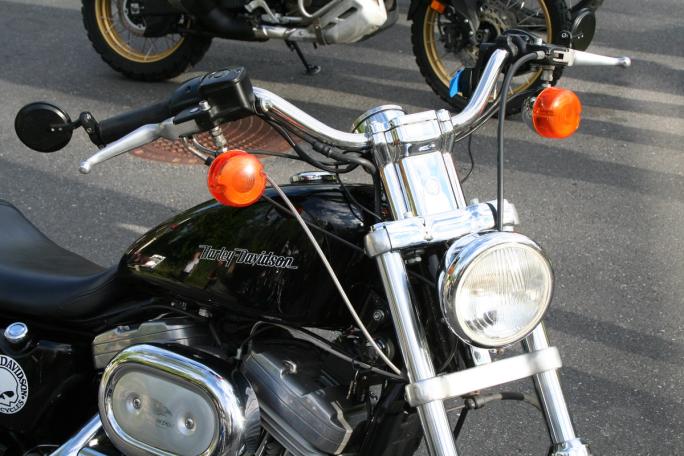
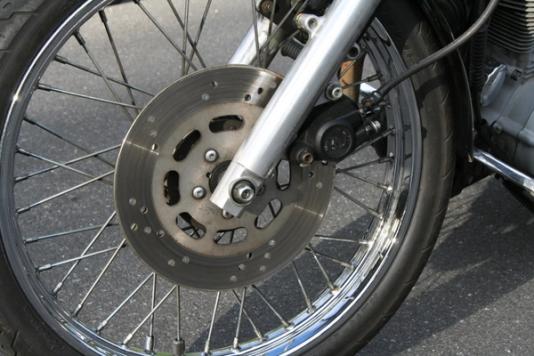
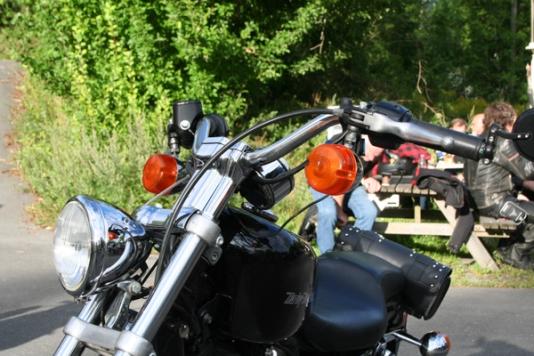
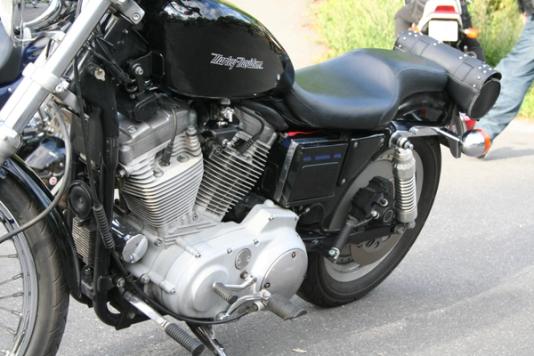
I agree with Kenneth that there are many big machines, although I personally have a taste for Sportster . It is compact, fast and easy to ride, and that is no minus for a 2-wheeler. I am a little curious about what Kenneth has done in terms of repairs and conversions, and I get the answer that; -I am thorough when it comes to repairs. As an academic and teacher, I am used to thinking systematically about problems, and problems have been part of it. The bike had been in the garage a lot before I took it over. It had only been ridden a few times a year, and that means a lot happens when I suddenly ride 1000 km a year. I noticed that the gaskets were rotten and leaks occurred. If I managed to replace one, another one soon appeared. I am an academic and teacher in my daily life, and I have probably gone into this mode when I troubleshoot and repair. That is why I have now replaced the rocker box gaskets on both cylinders and the gaskets in the Keihin carburetor. I have put on new cables from the battery as these had broken due to friction. I have installed a new ignition system from Crane, a HI-4 single four which makes the bike start and run much better and a new coil and wires. I've had to renovate the fork and seals, in addition to the clutch release bearing that blew a few weeks ago. It has a 1200 kit on it with 883 tops, which gives it a little extra punch, and I've put on the original 21 inch front wheel. I actually like the stock look on bikes, so there aren't many modifications that make me think: Wow, that was cool! Often I think it's a bit too much and a bit too strange. Then I think it's cooler with an original or stripped-down version that runs well. I have to give a shoutout to Company MC at Alnabru, the chopper guys. I would never have managed to do these repairs without their help. Yes, you can get a long way with YouTube and the workshop manual, but the expertise and knowledge these guys have when it comes to building and repairing is absolutely enormous. Not only have they opened up their workshop and coffee machine to me, but they also tolerate all the slightly stupid rookie questions. Take off my helmet and bend over in engine oil.
It is clear that there is a lot of emotion involved in ownership and when I ask Kenneth what kind of relationship he has with motorcycles, he answers this; -Things have changed. When I was young, it was all about getting ahead as fast as hell. Now, however, it's actually the opposite. I often take the long road with little traffic and lots of turns, and the feeling of just being present in the moment, here and now, is more important than arriving at my destination. A lot of it is probably because I'm almost fifty, and my pace in life is different than before. But there is also a growing need for disconnection. In everyday life and with a social development with almost total connection and presence, where everyone demands immediate response, riding a motorcycle is an escape. No one can get a hold of me, I respond when I can and if I want. There is a freedom there that is in short supply in today's society. It reminds me of heavy texts by Immanuel Kant, the Enlightenment philosopher I read at Blindern. He said that it is freedom that creates a worthy person, and that the ability to decide what you want to participate in or not makes us independent people. Another thing is the opportunity to understand something about yourself as a person by going into depth about something concrete, like turning on your bike. When Robert Pirsig wrote the book "Zen and the Art of Maintaining a Motorcycle", which I read when I was younger, he talked about finding peace and insight by understanding how something is connected. For example, by setting the right amount of air and fuel in the carburetor, I am simultaneously setting something on and in myself. It is about taking your time, arguing, swearing, being discouraged and finally finding a solution. But it is also a gigantic community, which cannot be stopped by language barriers or borders. Regardless of culture, upbringing and ethnicity, you always have a brother or sister in the environment who will give you help and support if you get stuck on the road. The other day is a good example. I was standing in a bus pocket at Olavsgård north of Oslo. Nothing was wrong, I was just going to adjust the QuadLock mount for my mobile phone. Five minutes later a guy on a motorbike stopped and asked if I needed help. These things are motorcycles to me!
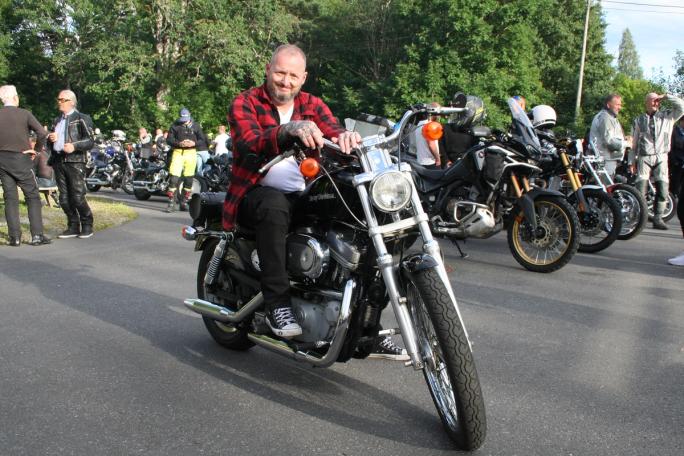
Then I thank Kenneth for a nice chat, we tighten the throttle cables, and go our separate ways. He on the Sportster, I on the old Softail, both with roots from the rust belt in the north of the States.