
Yamaha YZF-R1: An upcoming classic
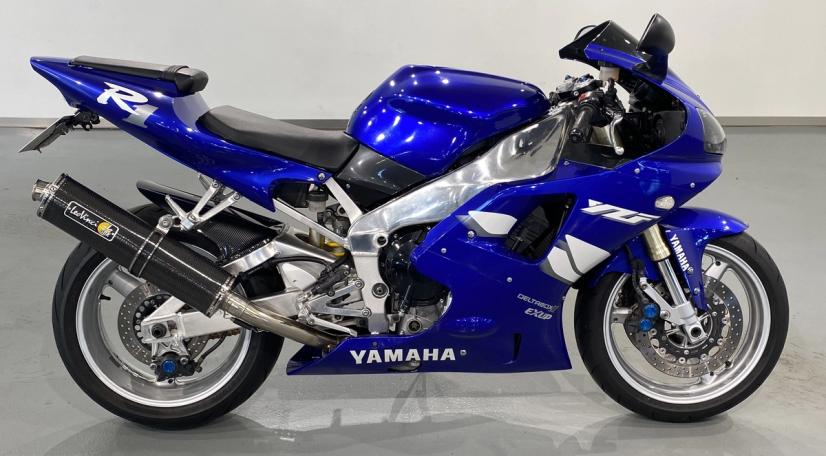
Time passes, and so does development. Motorcycles I remember as relatively new often suddenly turn out to be much older than my memory suggests. It's strange to think that Yamaha YZF-R1 is now approaching veteran status, and thus entering "good company" with models like Tempo and BSA . However, the R1 was already released in 1998, and in 2028 the first vintage will reach the magical 30-year mark.. With the R1, or YZF-R1 as the superbike's full model name is known, Yamaha positioned itself right at the forefront of the fastest motorcycles. Now let's not forget Yamaha's first superbike, the FZR1000, which challenged Suzuki's GSX-R1100 in 1987. Thus, there is a lineage from 1987, which in many ways extends right up to 1998, when the first R1 model went on sale.
Roots in Genesis
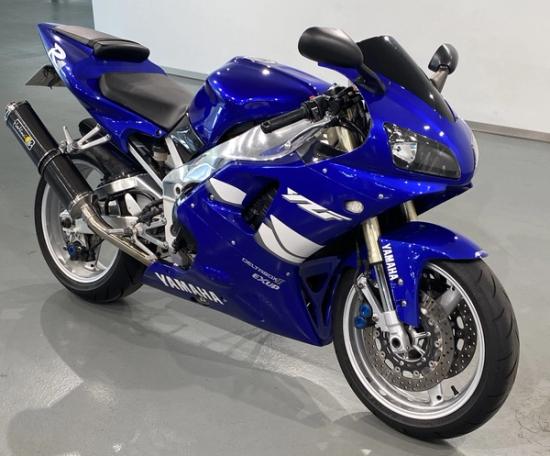
The engine in the R1 was a further development of the Genesis predecessor, and the engine became much more compact in terms of both length and width. The new location of the gearbox gave a shorter engine block, which made it possible to use a swingarm with attachment further forward in the frame. This optimized the bike's center of gravity, while maintaining the wheelbase for stability. The front fork was of the upside-down type, and the brakes were semi-floating 298 mm discs. Typical for this type of motorcycle was the ability to adjust the damping characteristics both front and rear.
5 valves per cylinder
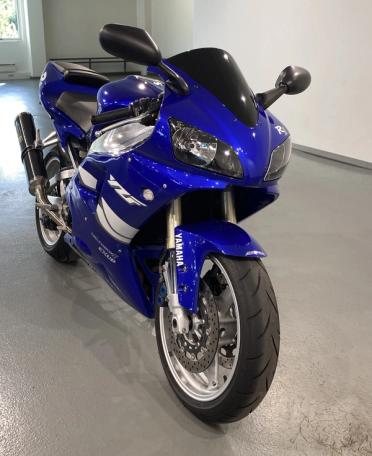
At the beginning of the 2000s, it was not uncommon for a displacement of around 1000 cubic centimeters, and an engine power of around 150 hp on this type of motorcycle. The R1 had 5 valves per cylinder, and this provided good breathing assistance. The power in this category of motorcycles, often referred to as R-bikes, gave them enormous speed resources. Powerful frames, ditto swingarms and floating brake discs with multi-piston calipers were required.
High power requires driving skills
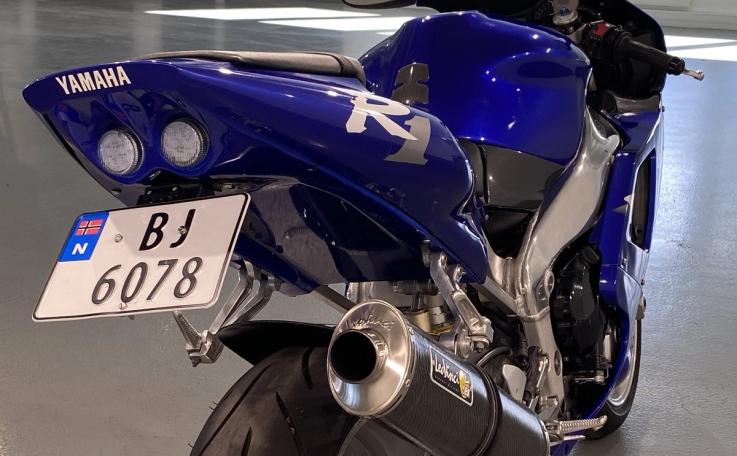
Now it was no longer enough to simply show the effect. Simultaneous tests put nothing in between, and driving characteristics became absolutely central when the test pilots, after flying low, sat down in front of the keyboard to scribble down the conclusion to the fear or joy of the readers. However, the R1 satisfied the most demanding test drivers, and scored high with a combined press corps.
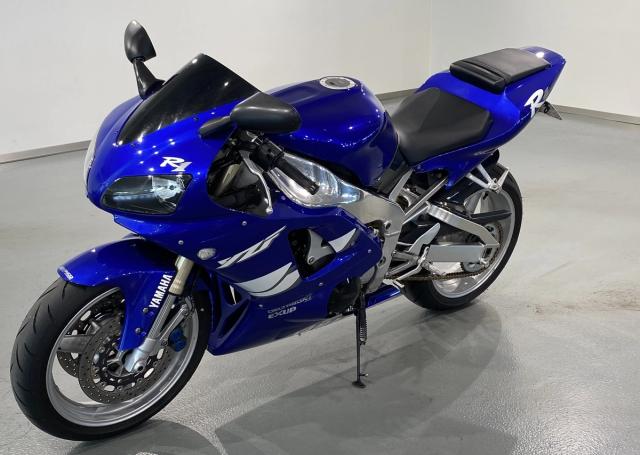
An uncompromising machine
The 998 cc engine pumped out close to 150 hp, which pulled the 192 kg motorcycle from 0-100 km/h in just under 3 seconds. Top speed was naturally a key parameter, and the R1 did not disappoint. The needle on the electronic speedometer quickly climbed to 277 km/h before it hit the road. I took the bike in the report, a 1999 model, for a short ride. From Lillestrøm, the trip went north on the E6, east from Kløfta in the direction of Sørumsand, and then south on the east side of Glomma down to Fetsund. Here there was time for a cup of coffee at the local gas station, and some reflections. The R1 is brutal in every respect. The frame is compact and torsionally stable, the engine is powerful and incredibly long-legged in the lowest gears, and the suspension and brakes deliver when necessary. The YZF-R1 appears to be an uncompromising motorcycle.
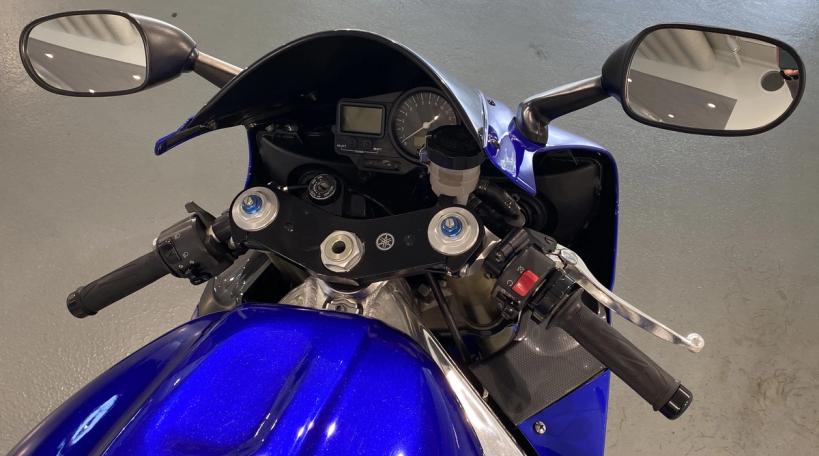
The 1000cc is a machine for advanced riders with a high degree of impulse control, because when you unleash your power, you have to keep your head with you. If you have to put your finger on something about the model, it is the size, because if you are over 185 cm tall it will be a tight ride. As mentioned at the beginning, the first vintage YZF-R1 is approaching the veteran limit, and after riding around on old English motorcycles I have to say that veteran motorcycles are no longer what they once were.
Technical data Yamaha YZF-R1, 1999 model
Engine: 4-cylinder 4-stroke, 5v, DOHC,
Displacement: 998 cc
Power: 149 hp at 1000 rpm
Number of gears: 6
Tank: 18 liters
Front tires:120/70-ZR17
Rear tires:190/50-ZR17
Weight:192 kg
Top speed: 277 km/h