
Triumph Thruxton ; a look back
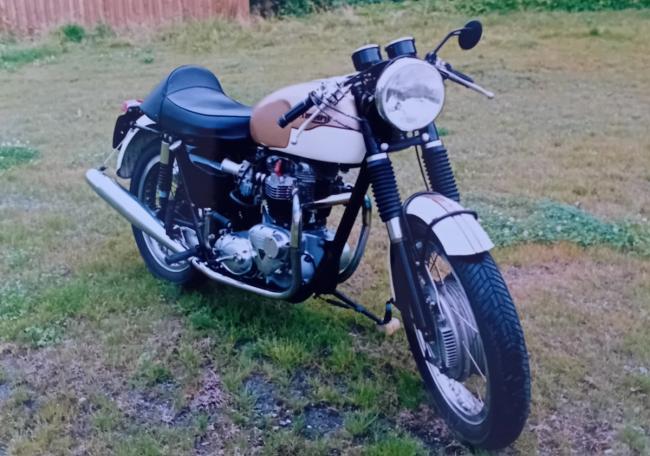
Raceready; Triumph Thruxton
In 1959, Triumph Bonneville T-120 was released, the motorcycle that was loved by the entire motorcycle world. The "Bonnien" was Triumph's top model for several decades, and its history would become very central when Triumph jumped on the retro wave in the 2000s. The retro trend was growing at record speed, and all serious motorcycle manufacturers with respect for their own history wanted their share of the "cake". With the launch of Thruxton 900 in 2004, Triumph created a retro machine that paid tribute to the brand, the history of the Bonneville, and last but not least the race-rigged 650cc Thruxton . Talk about a hit.
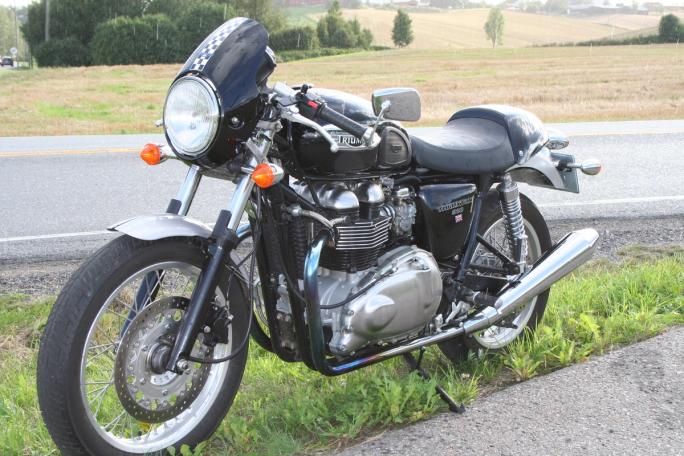
Retro- Thruxton 900
British motorcycle production almost completely disappeared, with a few exceptions, in the 1970s and 1980s. Fortunately, Triumph managed to resurrect that feat, and the new generation Triumph was “conceived” in state-of-the-art factory premises in Hinckley towards the end of the 1980s. Thanks to financier John Bloor’s interest in this legendary brand, it avoided becoming a chapter in the history books. When the first Triumph models of the new collection were shown to the press and public at the beginning of the 1990s, the “gene material” from the classic period was hardly visible.
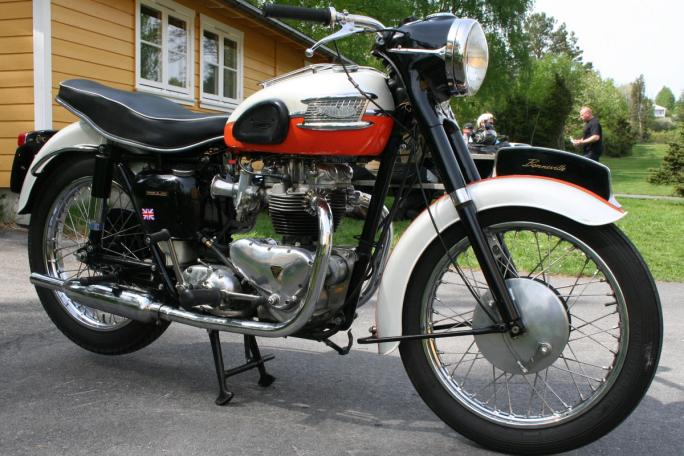
59` Triumph Bonneville T120
The new and modern Triumph motorcycles had a design and technology that was forward-looking, and that was how it had to be. Making a "come back" in the classic packaging at that time would hardly have been possible. Bloor had invested a significant amount of pounds when he bet on Triumph , and expected value for money, which he also got.
The old concept on which the last classic Bonneville was based actually originated from Triumph's Speed Twin in 1936. With Bloor at the helm, it was time for new thinking. In the competition against, especially, the Japanese motorcycles, all of the English motorcycle manufacturers had lost on all fronts. Neither design nor technology was "up to date". But then we have this remarkable word "nostalgia". We are all familiar with the expression that "everything was better before". There is not a little psychology attached to this statement, precisely because the past is known and by definition something that is safer to deal with than what lies ahead of us, a future that we do not know either the content or the outcome of.
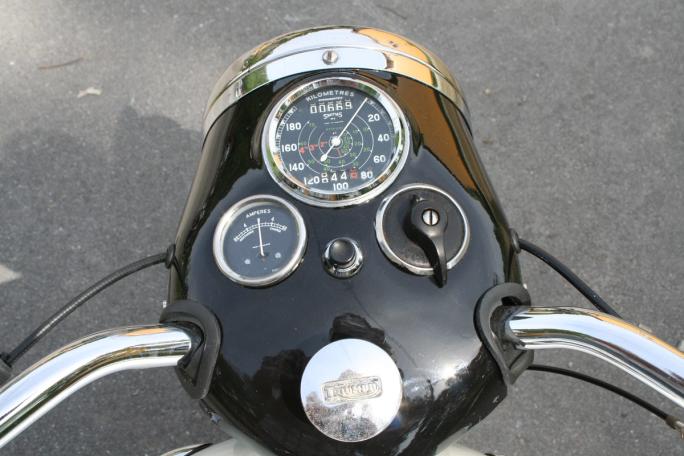
Whether motorcycles that reminded owners of the old days created security is not known, but there is no doubt that the concept caught on. Memories, often good ones from bygone times, were at least materialized in the form of modern technology in classic packaging. At the beginning of the 2000s, the management at Triumph became aware of the value of Bonneville after the Meriden era. Retro classics could be profitable. Triumph's history was rich, the bikes were popular, and the design was sporty. Model names such as Speed Twin , Thunderbird and Bonneville resonated with motorcycle enthusiasts around the world, and this potential had to be exploited.
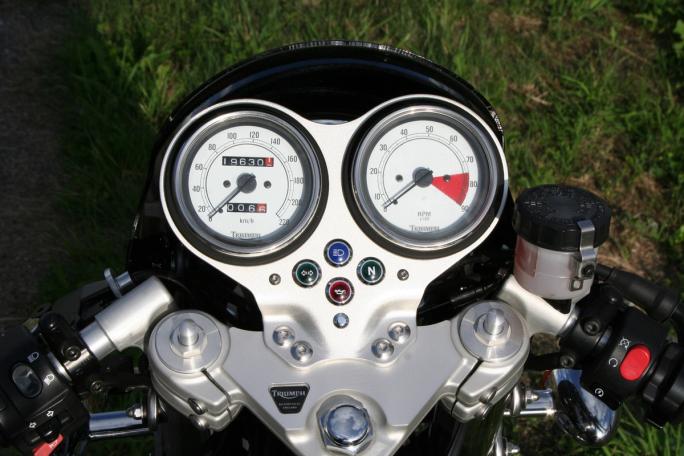
In the feature film "The Wild One" (1953) starring Marlon Brando as the gang leader who leads the legendary "Hollister Riot" on his Triumph , the brand is given an almost iconic status. The legendary actor Steve McQueen also rode Triumph , both on and off the screen. Now it was no coincidence that Triumph gained a position in the American motorcycle market. Mr. Triumph himself, Sir Edward Turner, negotiated a contract with the company's top management, which, among other things, meant that he could stay up to 6 months a year to work in the USA where his task was to promote and expand the dealer network for Triumph .
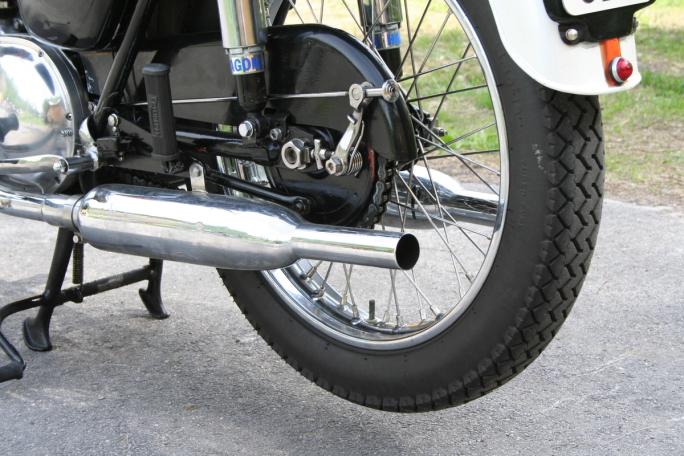
The world record at Bonneville Salt Flats in 1956, where Johnny Allen drove his Triumph-powered “Speedliner” to a whopping 344.5 km/h, wrote Triumph into the Books of Records once and for all. Bloor and Co could not help but exploit this history as a wave of nostalgia swept over the post-modern Western world in the 2000s. People with money and a passion for classic motorcycles looked back. It is not unnatural that this retrospective came as a reaction to the turn of the millennium.
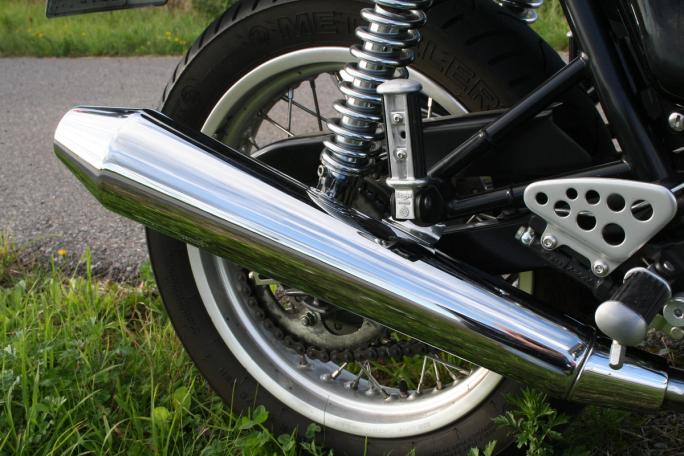
Not everyone is blessed to experience such a time gap, and when should one look back, if not on such an occasion? Development had since the 1950s gone from agriculture and industrial society to rocket science and computer technology. Technological quantum leaps in the course of a generation or two can make the most forward-thinking person want to look back. It was largely about identity, about who we are, and last but not least who we were.
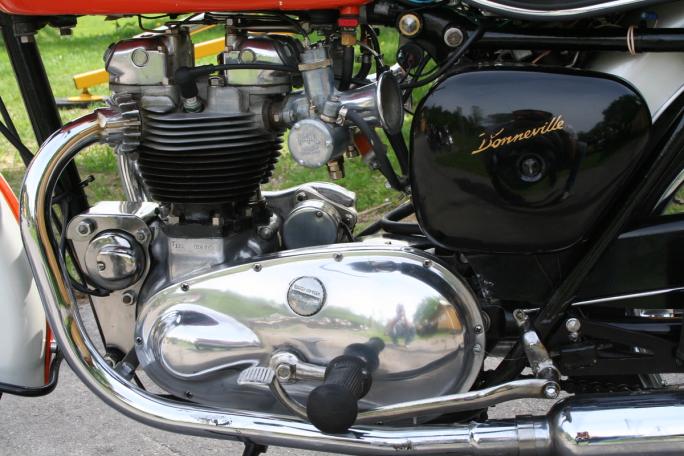
In the wake of this, the retro trend emerged, a style with lots of chrome, spoked rims, round analog instruments and zero plastic. The most popular retro models were the naked machines with twin engines. The lines from the 1960s and 1970s became prevalent, and the result was in many cases very attractive. It is no coincidence that the most successful retro models, regardless of brand, are cafe racers. After all, there is a potential racer in most motorcyclists, at least in their dreams, and the cafe cult that originated in England consisted of rockers in black leather jackets who became a role model for many young people in the West.
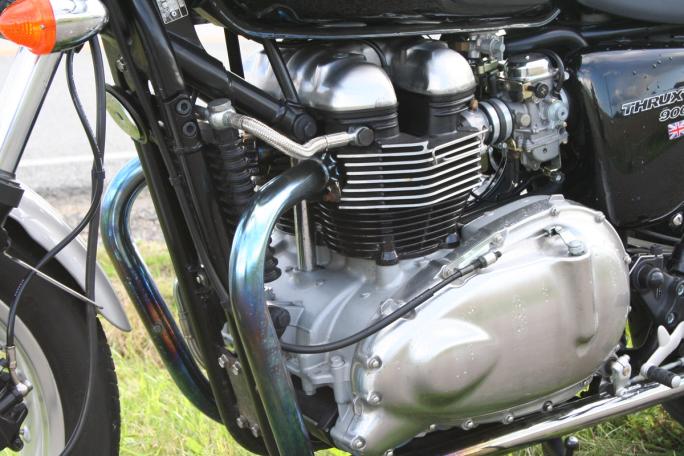
The real turn in retro things in Hinckley was not until 2004. Then, however, Triumph Thruxton came in retro packaging, a model that at the time was named after the racetrack in Andover Hampshire, a few miles west of London. In 1965, the management at Triumph decided that the factory in Meriden would build 52 bikes for racing. The starting point was Bonneville T-120. The model, which was called the " Thruxton Bonneville ", had an output of about 54 hp, compared to the original of 46 hp. This raised the top speed from 120 to 140 mph. 140 mph was a sensational top speed, and with Thruxton on the starting line, Triumph factory in Meriden took home a number of top places from endurance races, including in the 500-mile race at Thruxton Circuit in Andover Hampshire.
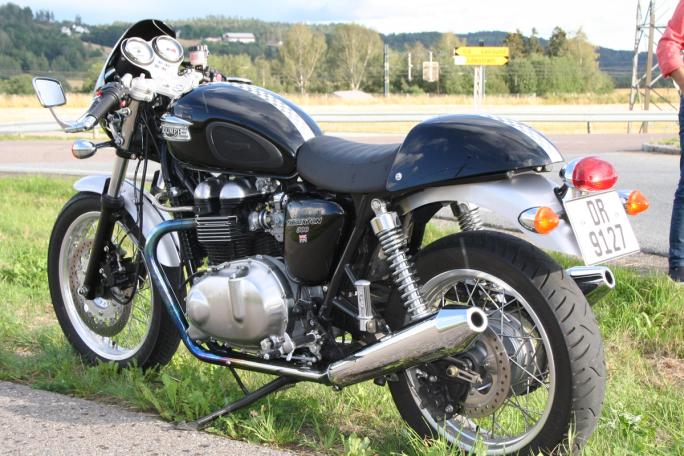
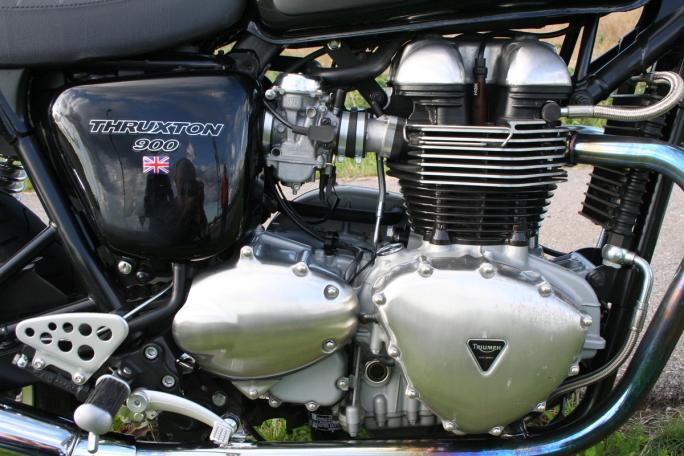
"Taste is like the butt, it's divided" goes the saying. As for the retro model Thruxton we dare to look beyond the proverb, and point it out as number 1 when it comes to the retro genre's strict requirements for design and technical solutions. It appears perfect. Chrome exhaust system, round shapes on the gas tank, 2-cylinder engine, analog instrumentation, and last but not least, spoked rims. Perhaps just as important are the overall lines and proportions.
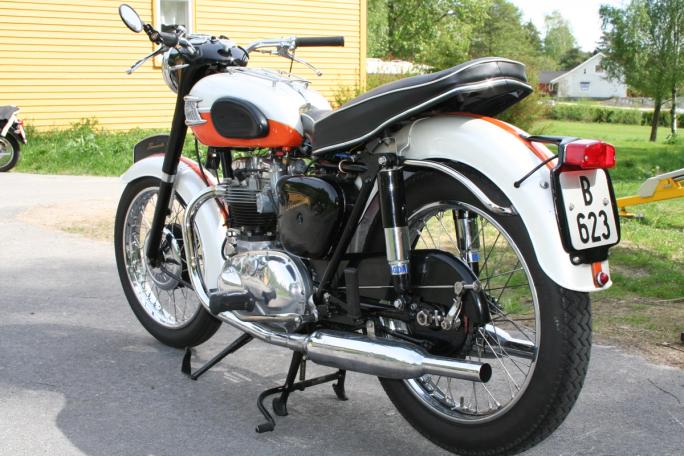
A retro model must be able to handle the very demanding exercise that it must be said to be to combine past with future. Triumph managed, and manages just that with Thruxton , and it gets an inner-10! Today you can get Thruxton in 3 versions, 900, 1200, and last but not least the rawhide 1200R. We like the 900 best, and the first vintage from 2004 best of all; it is pure retro, I have ridden it, and it gave me the urge to keep going! However, if you stumble upon an original Thruxton from the 1960s, it is possibly an investment worth more than solid shares on the stock exchange. The challenge is that the "share price" of the few remaining Thruxton machines from the 1960s is relatively high!
- Technical data Triumph Thruxton 900, 2004 model:
- Engine: 2-cylinder 4-stroke, DOCH
- Displacement: 865 cc
- Power: 69 hp at 7250 rpm.
- No. of gears: 5
- Front tires: 100/90-18
- Rear tires: 130/80-17
- Tank: 16 liters
- Weight: 205 kg (dry)