
Sidecar special
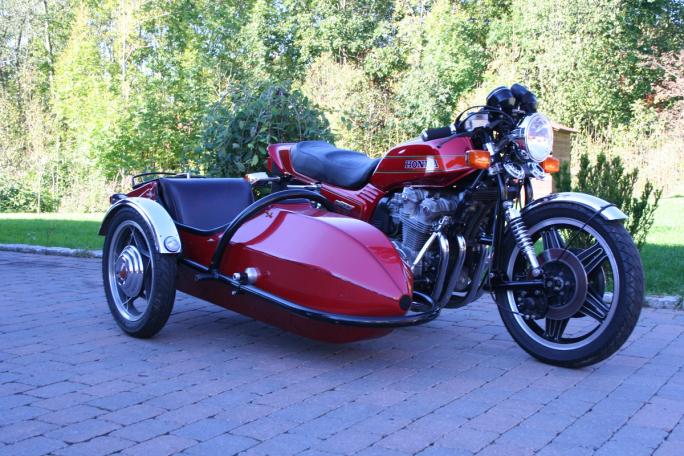
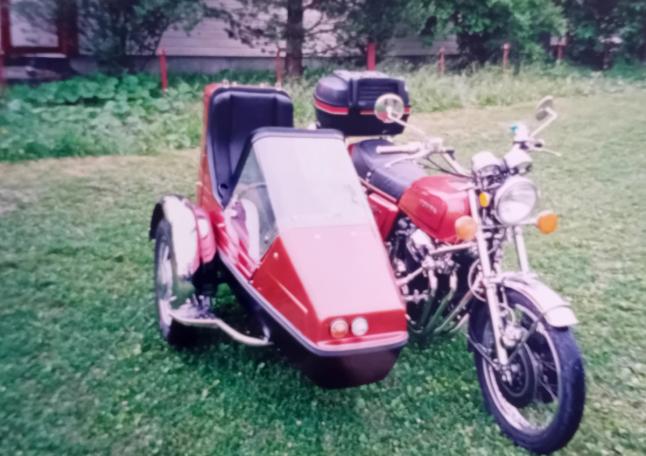
Honda CB900F 1980 model with Norwegian-made sidecar and swingarm fork.
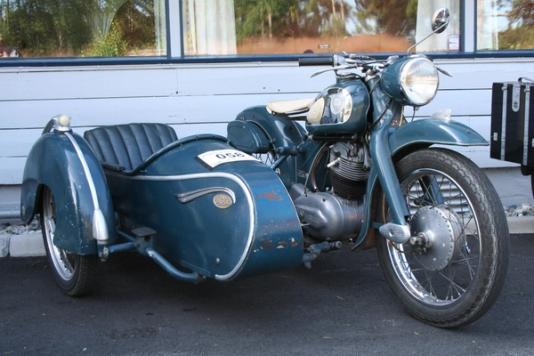
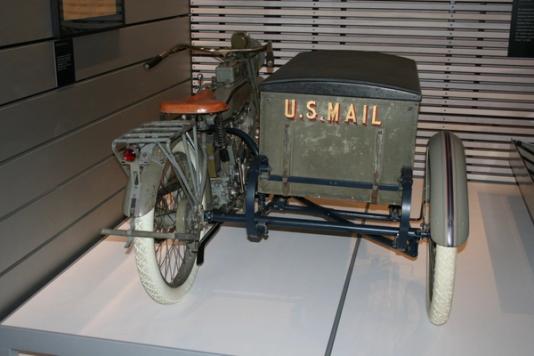
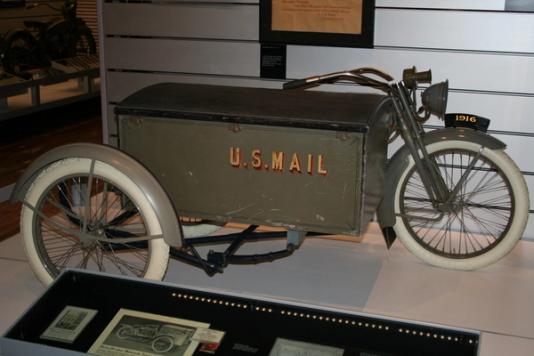
Motorcycles with sidecars were widespread both in the interwar period, and in the years after World War II and until the 1960s. The equipment was efficient, far cheaper than cars, and cars were not generally available here in Norway until 1960. When car sales were exempted from restrictions, this was the beginning of the end for the popularity of sidecars as commercial vehicles, but fortunately they did not disappear completely. I myself have ridden a sidecar bike (the Honda in the picture above) for more than 25 years, and it was both fun and practical, especially during the period as a father of small children. Then all you had to do was place the little ones in the sidecar and go on trips and meetings. There was no reason to put your interest in motorcycles on the shelf, quite the opposite.
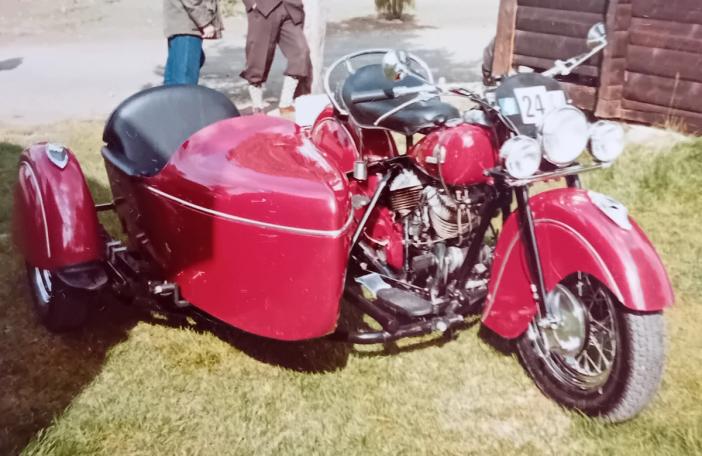
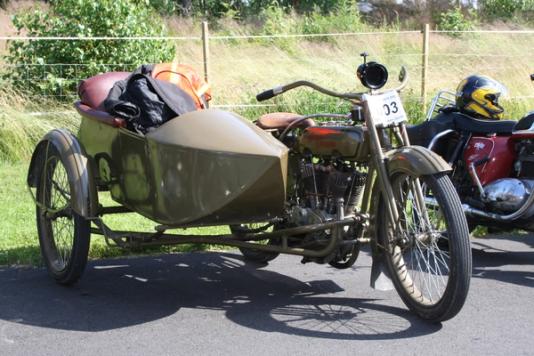
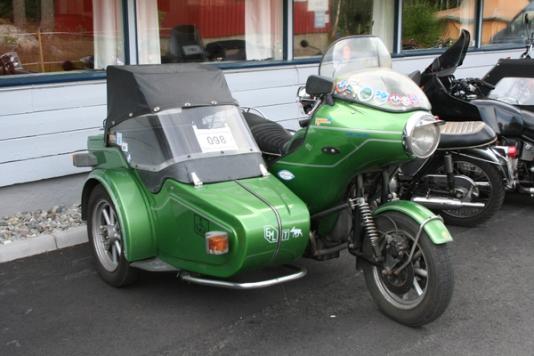
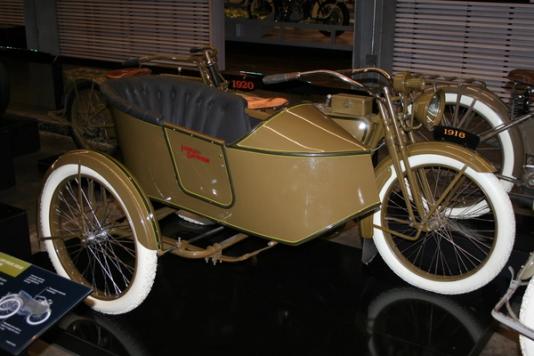
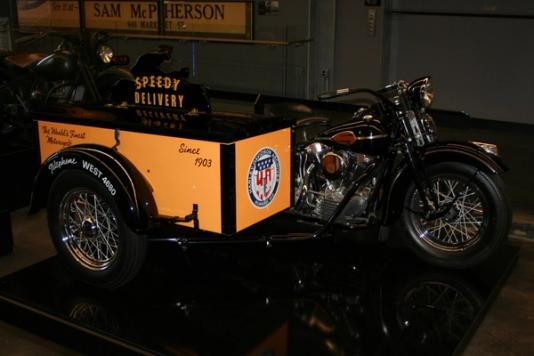
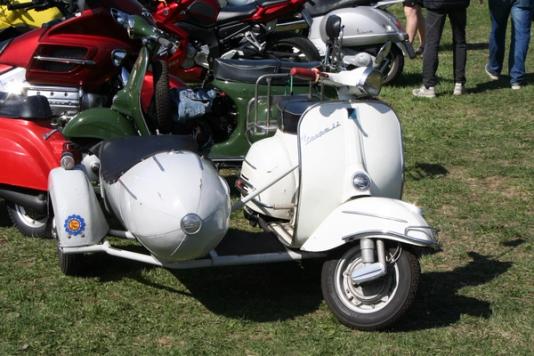
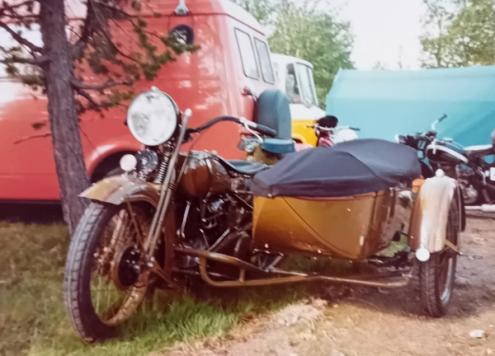
Several motorcycle manufacturers made their own sidecars and offered complete equipment. Among these we find brands such as Ural, Dnepr, and Harley-Davidson . At the same time, there were a number of small factories that only made sidecars that could be adapted to most motorcycles. Many of the motorcycles were equipped with sidecar mounts from the factory, which made it easy to hook on a sidecar. Among the most well-known sidecar manufacturers are Bender, Velorex, EML, Hedingham, Stern, Comete, Steib, Squire and Watsonian. Velorex was often used on JAWA, and EML was often seen on heavier touring machines such as Honda Gold Wing .
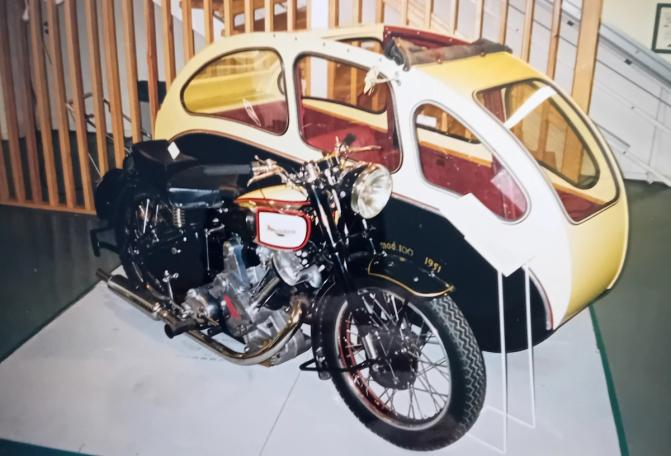
Military models with sidecar
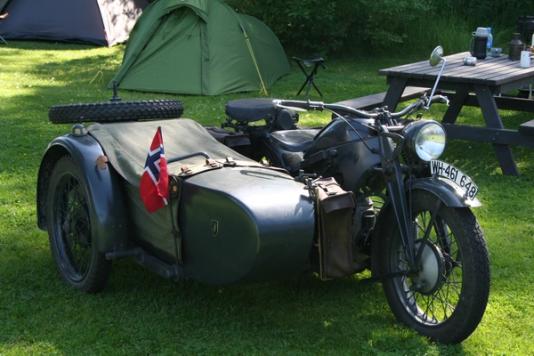
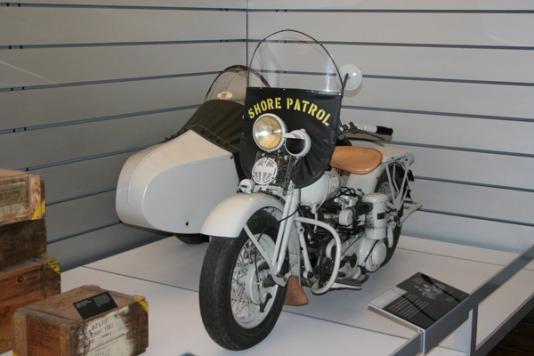
Motorcycles with sidecars played a central role during World War II, and Norton , BSA , Ariel , Harley-Davidson , BMW and Zundapp all made equipment adapted for military purposes. Several of BMW and Zundapp equipment were purely military models built to Wehrmacht specifications, with advanced gearboxes and with traction on the sidecar wheel.
Increased competition from the car
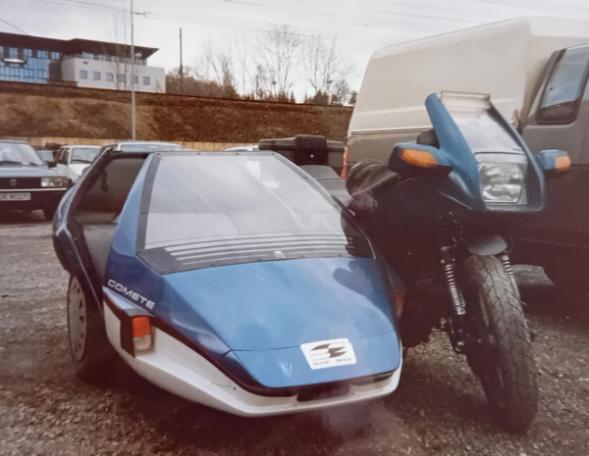
When the Fiat 500 and Mini went on sale, many people replaced their sidecar bicycles with cars. With a roof over their heads and room for four, these small cars were both more comfortable as a means of transportation. However, there were sidecars with space for 2 people, so that the equipment could carry up to 4 people, but most sidecars were designed for 1 person.
The Primus meeting and the Crystal Rally
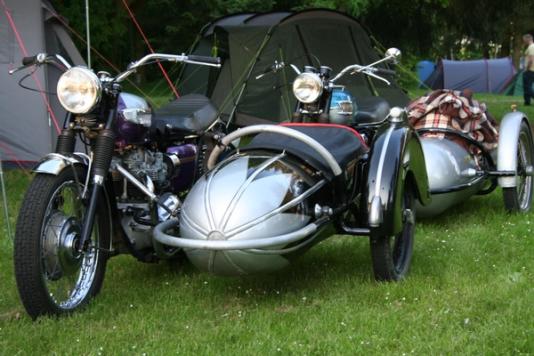
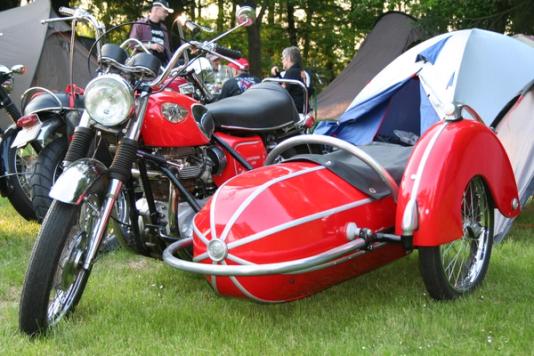
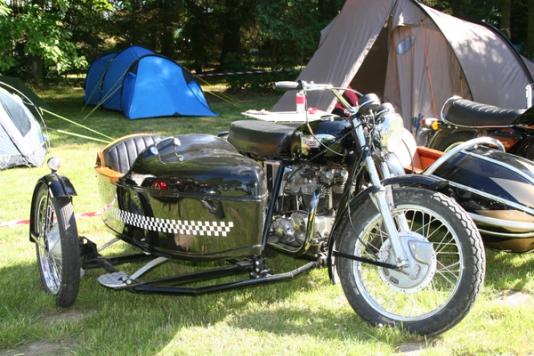
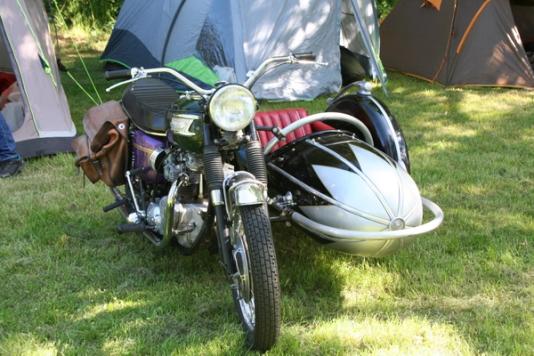
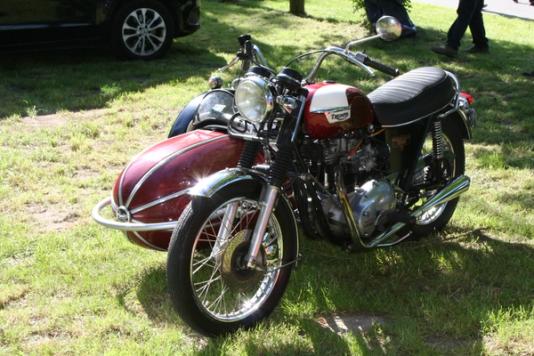
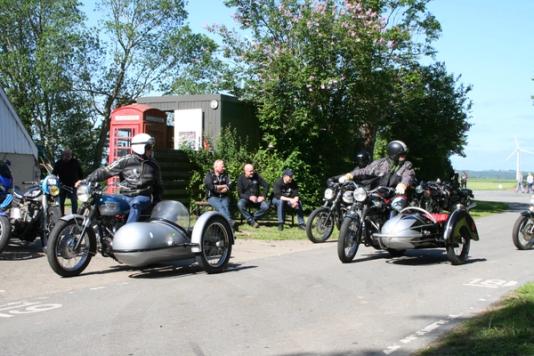
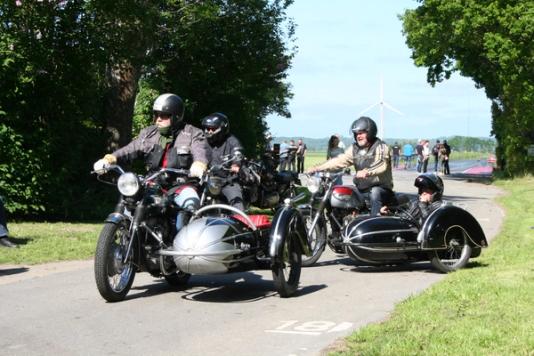
Today, sidecars are a relatively rare sight. However, in the veteran motorcycle community there are still some who preserve the heritage, and among the touring crowd we also find sidecar enthusiasts. The most hardy ones brave freezing temperatures, ride year-round, and can be seen at the Primus meeting and the Krystall Rally. There is also a separate club for sidecar enthusiasts called the Norwegian Sidevogn Klubb, which you can find here: www.sidevogn.com
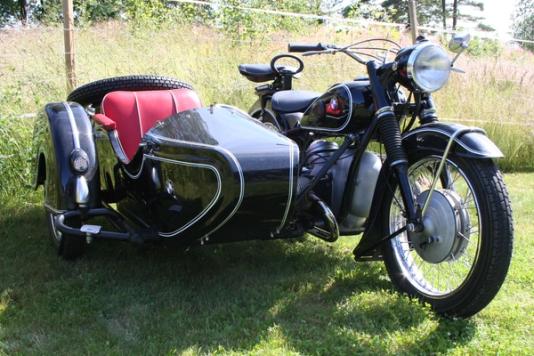
BMW with Steib carriage
0/0