
Honda's triple offensive: CB750F, CB900F and CB1100F
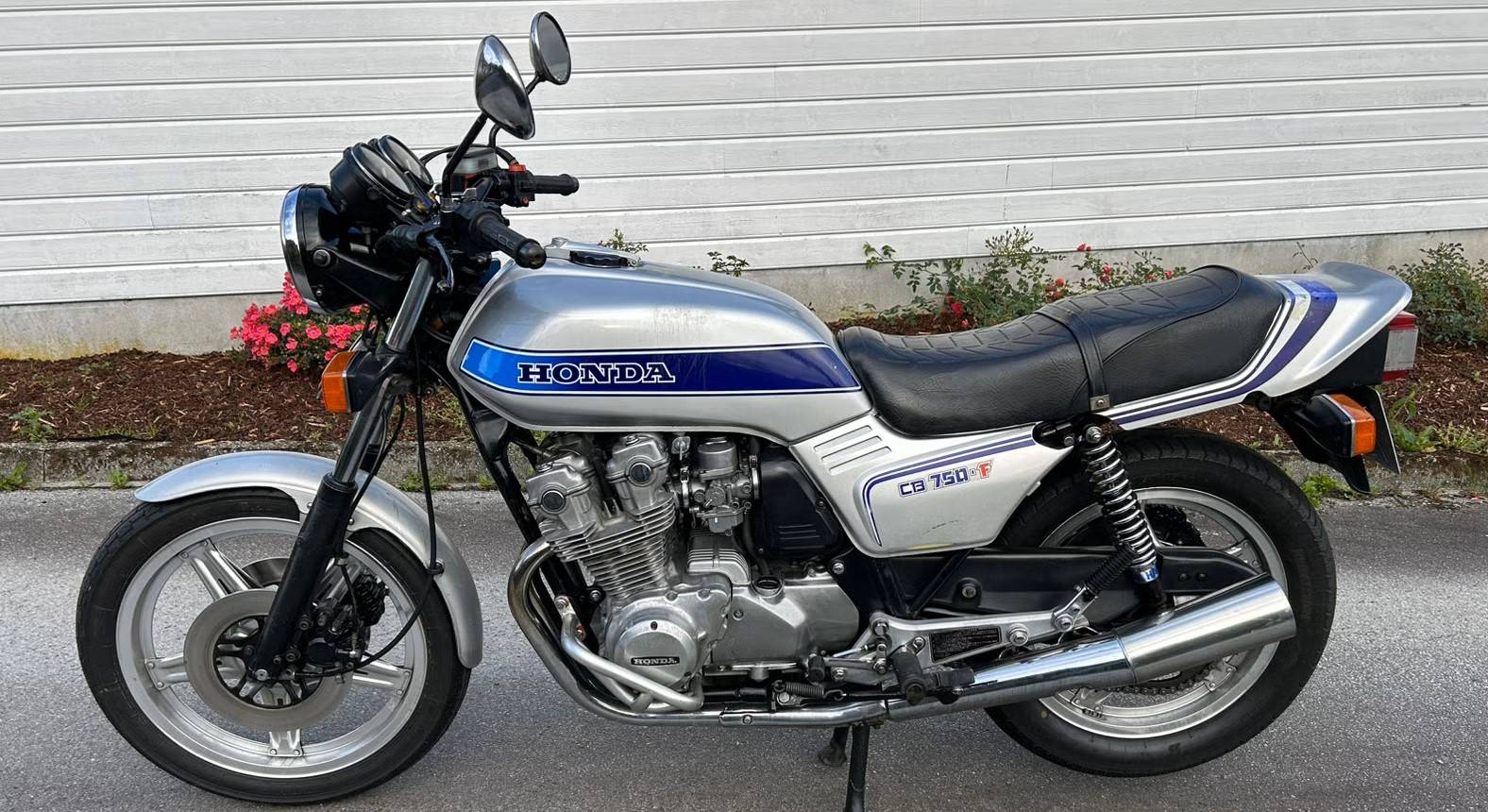
The 2nd generation CB arrived in the form of the CB750F in 1978, with a new design and modern technology
By the end of the 1970s, Honda had to take the CB concept a step further. The CB750Four, which had been introduced in 1969, was now outdated. Competition from other Japanese motorcycle manufacturers forced Honda to develop a new series of inline-fours if they were to keep up.
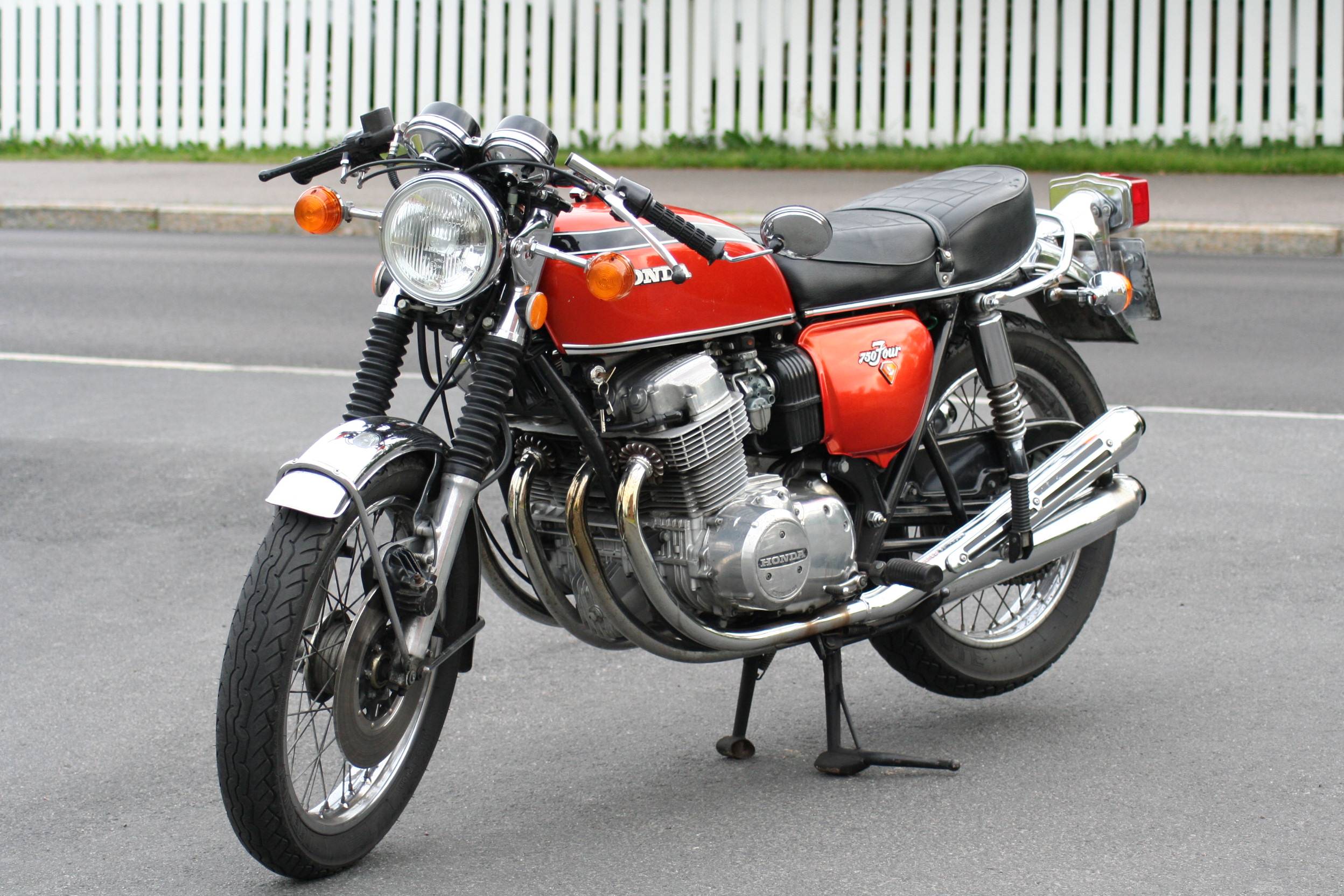
CB750Four, a 2-wheel icon that was going out of date by the end of the 70s
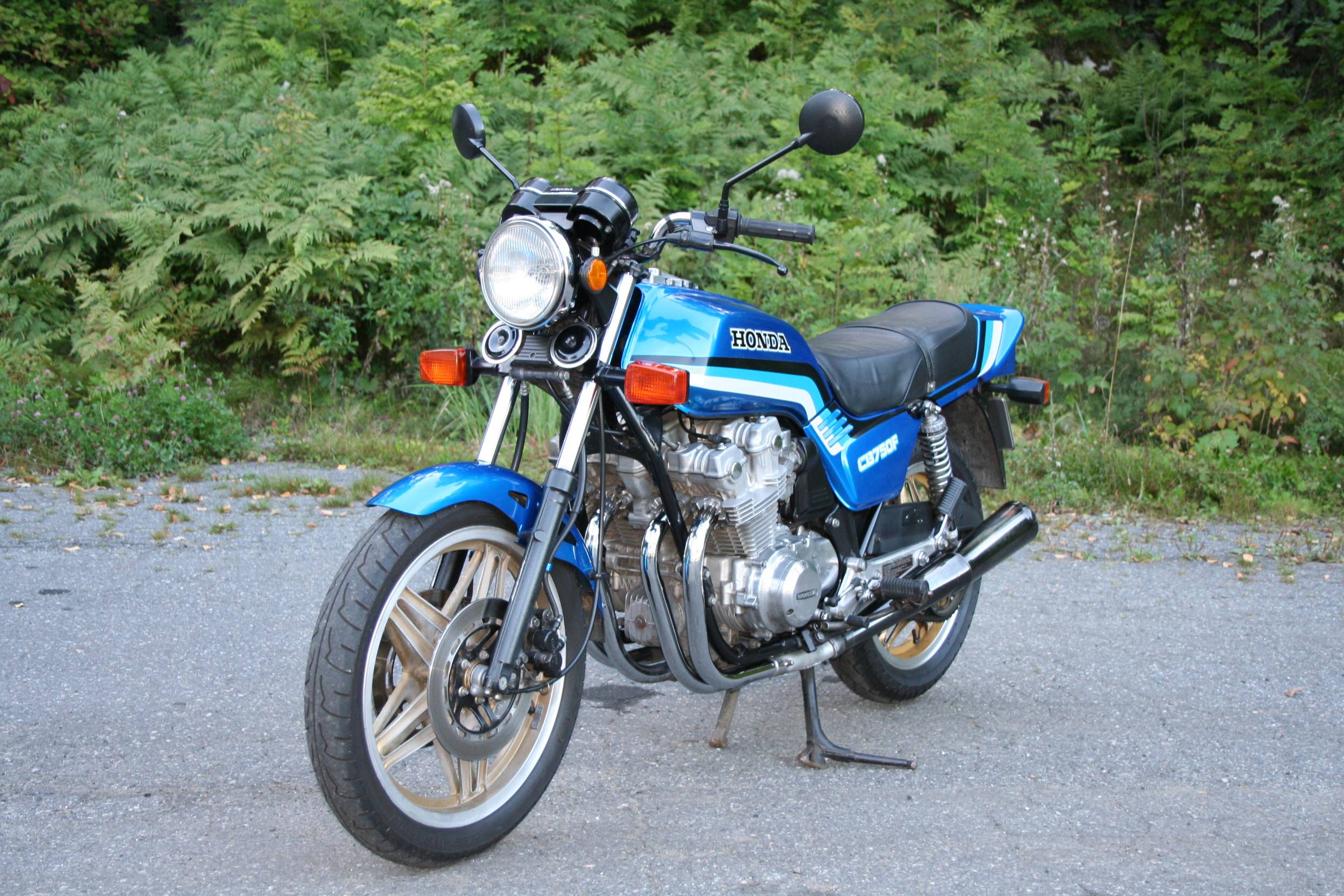
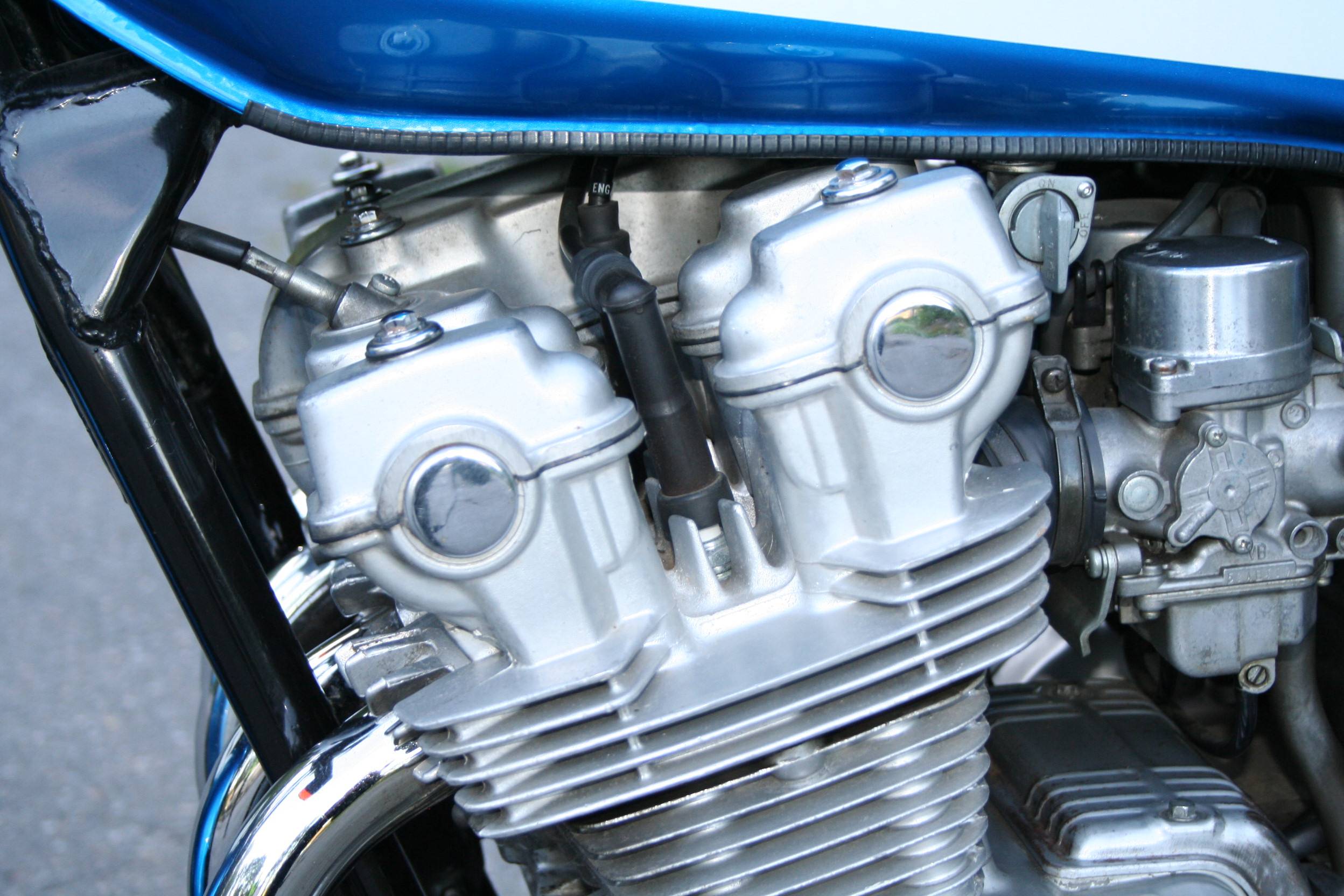
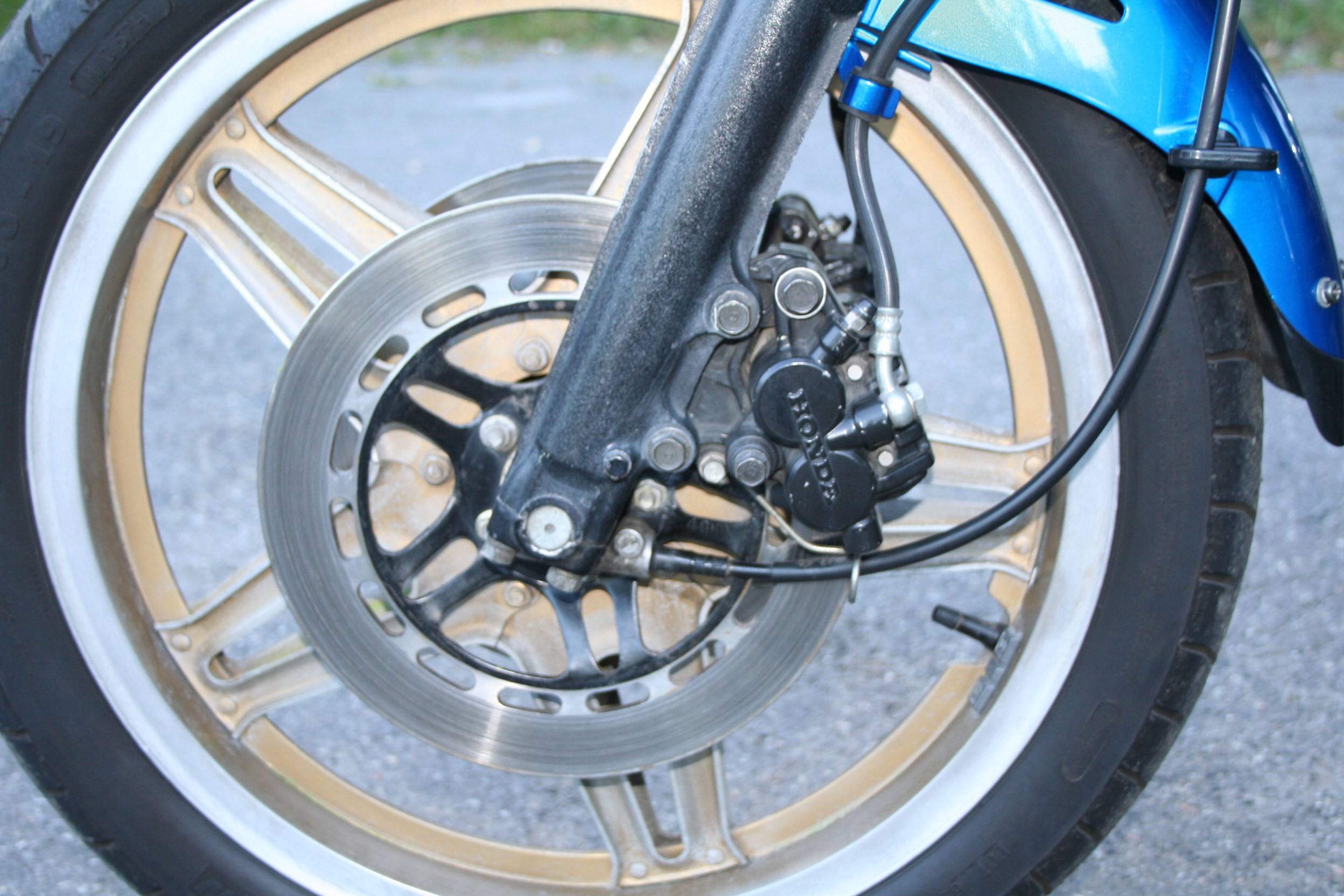
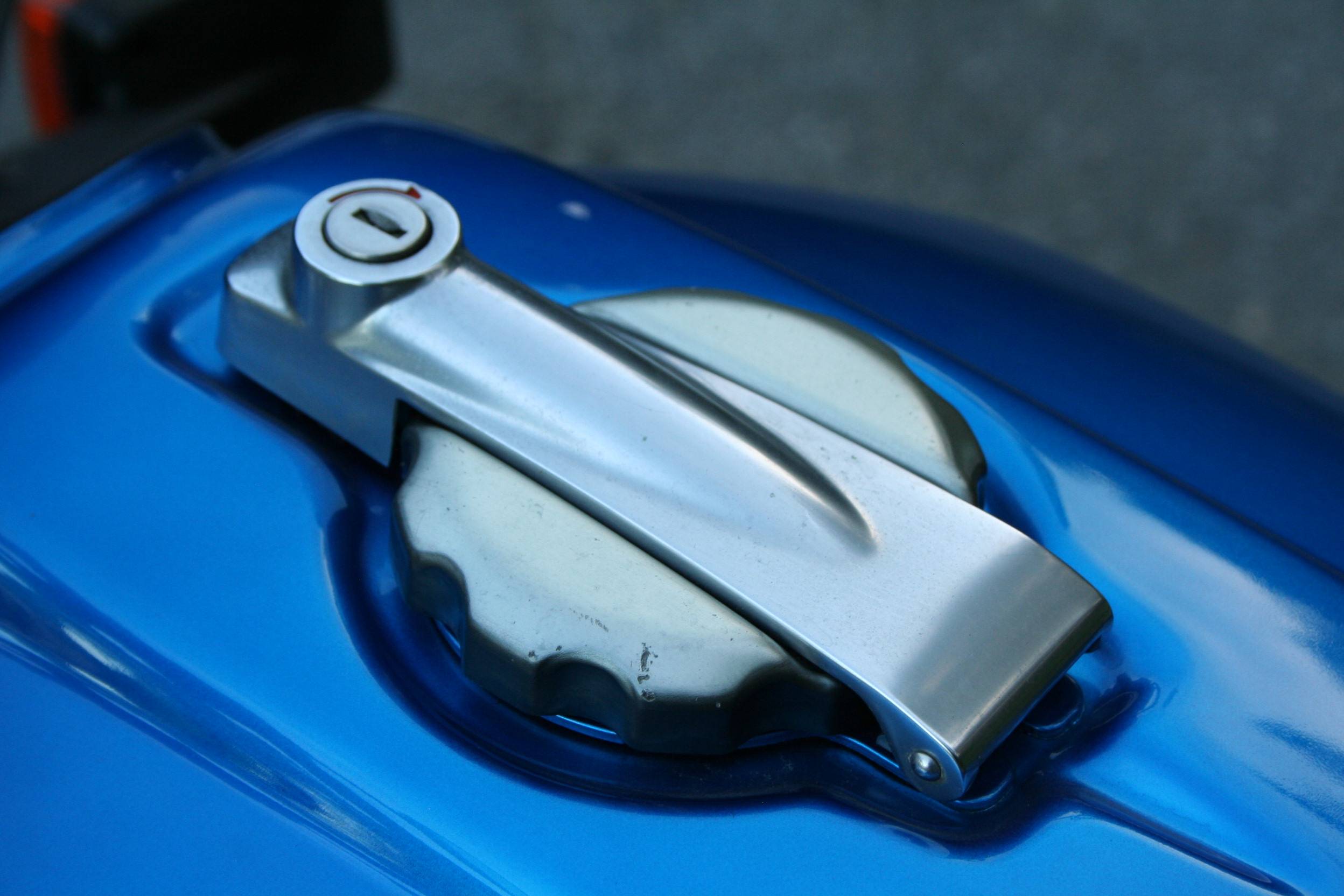
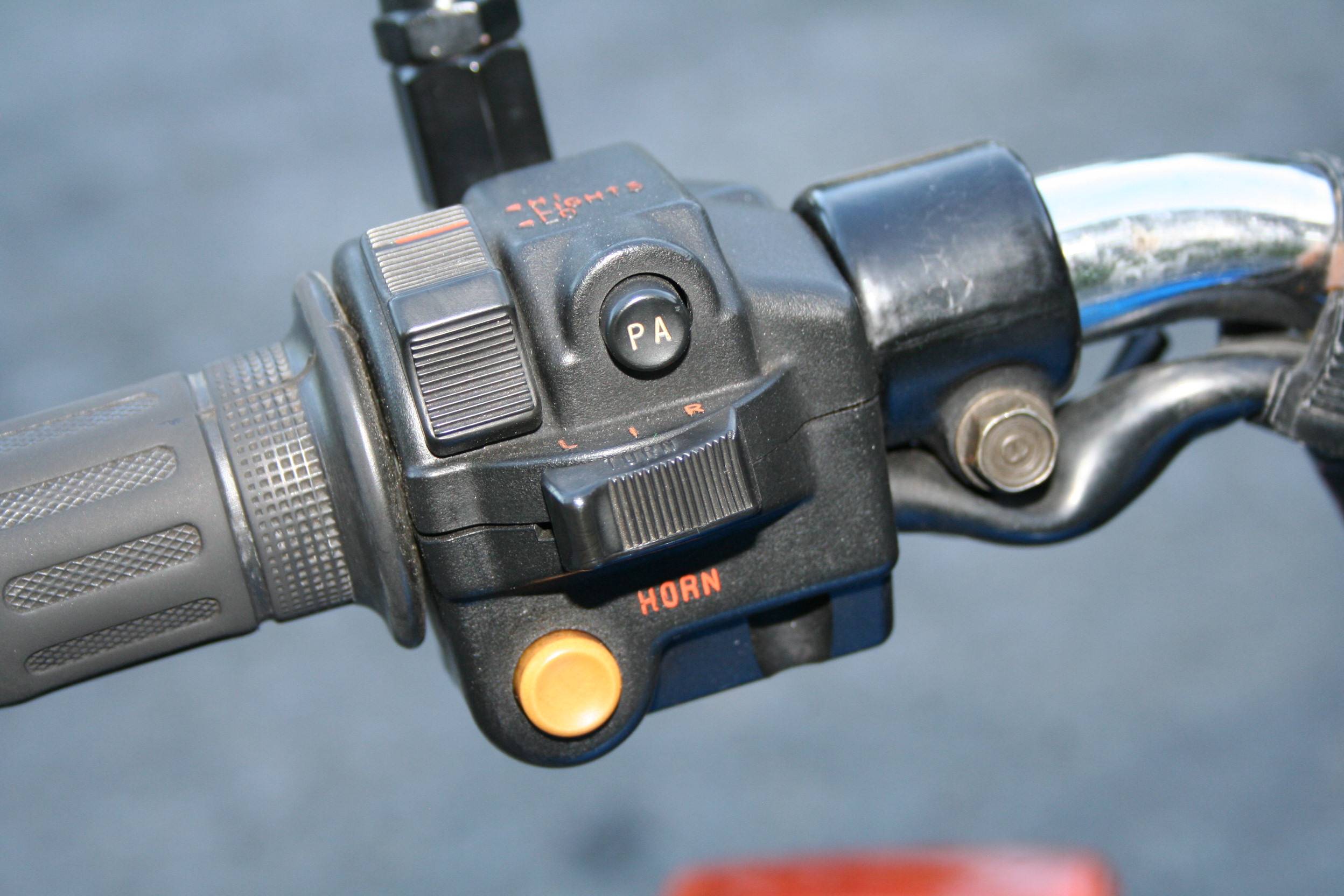
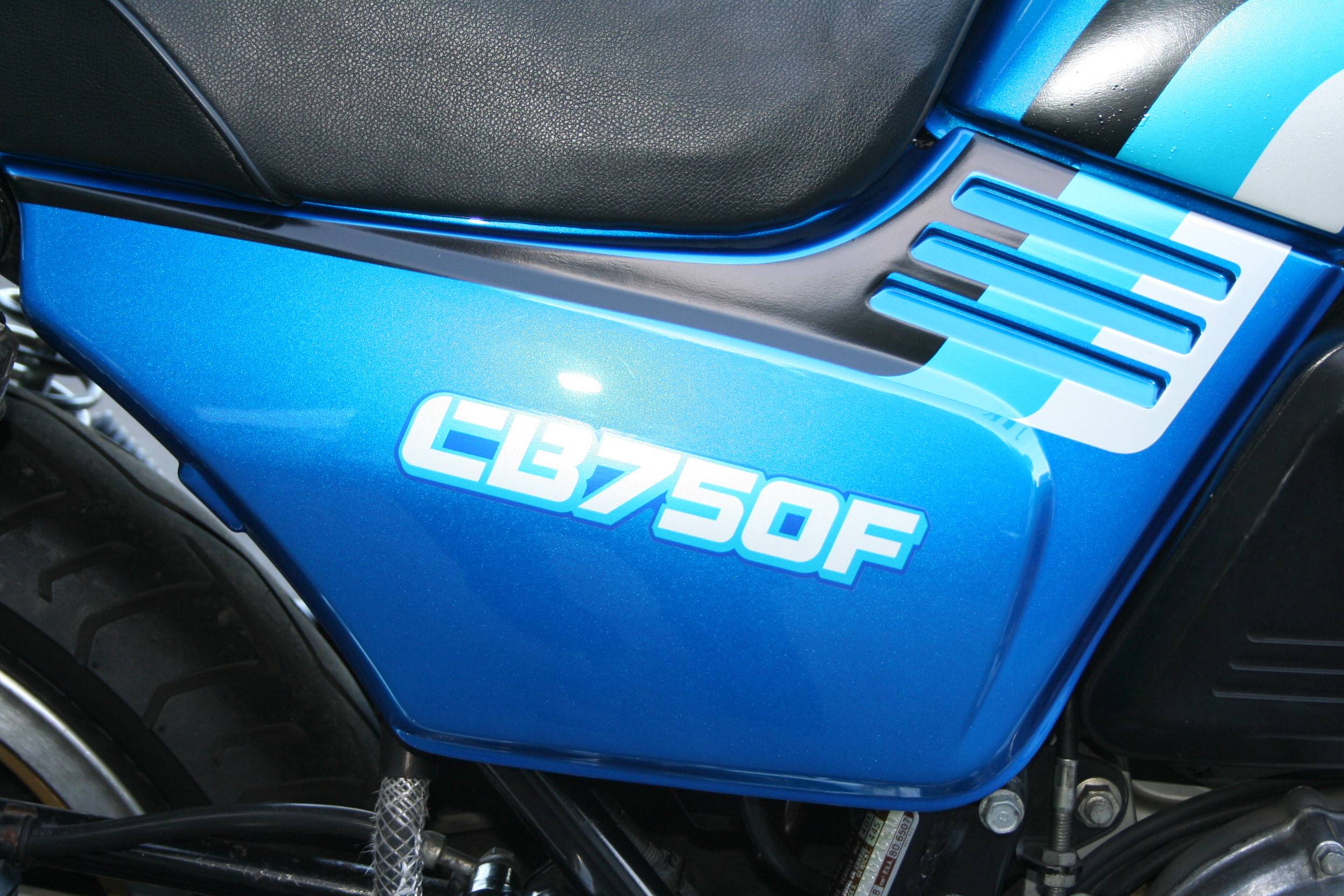
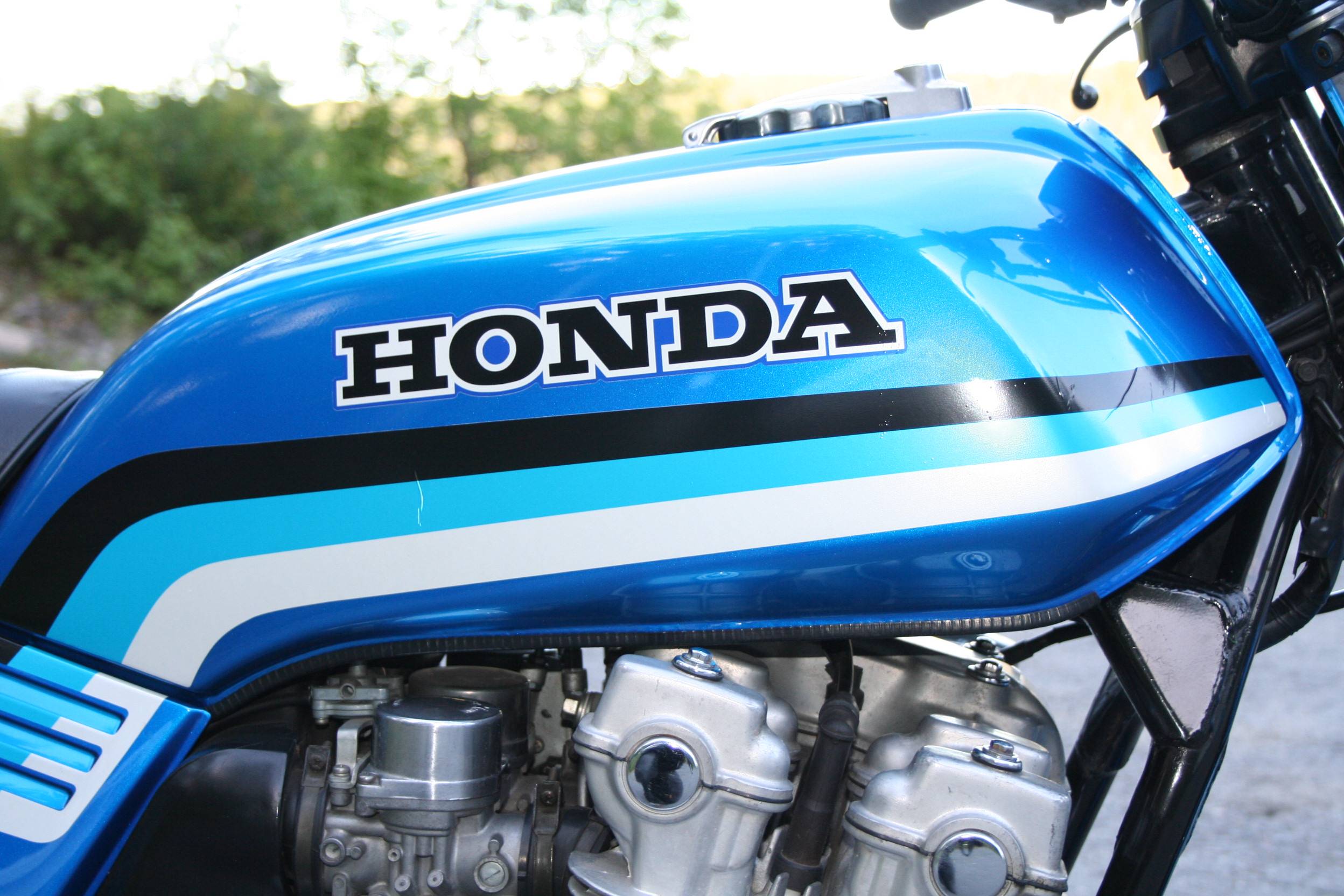
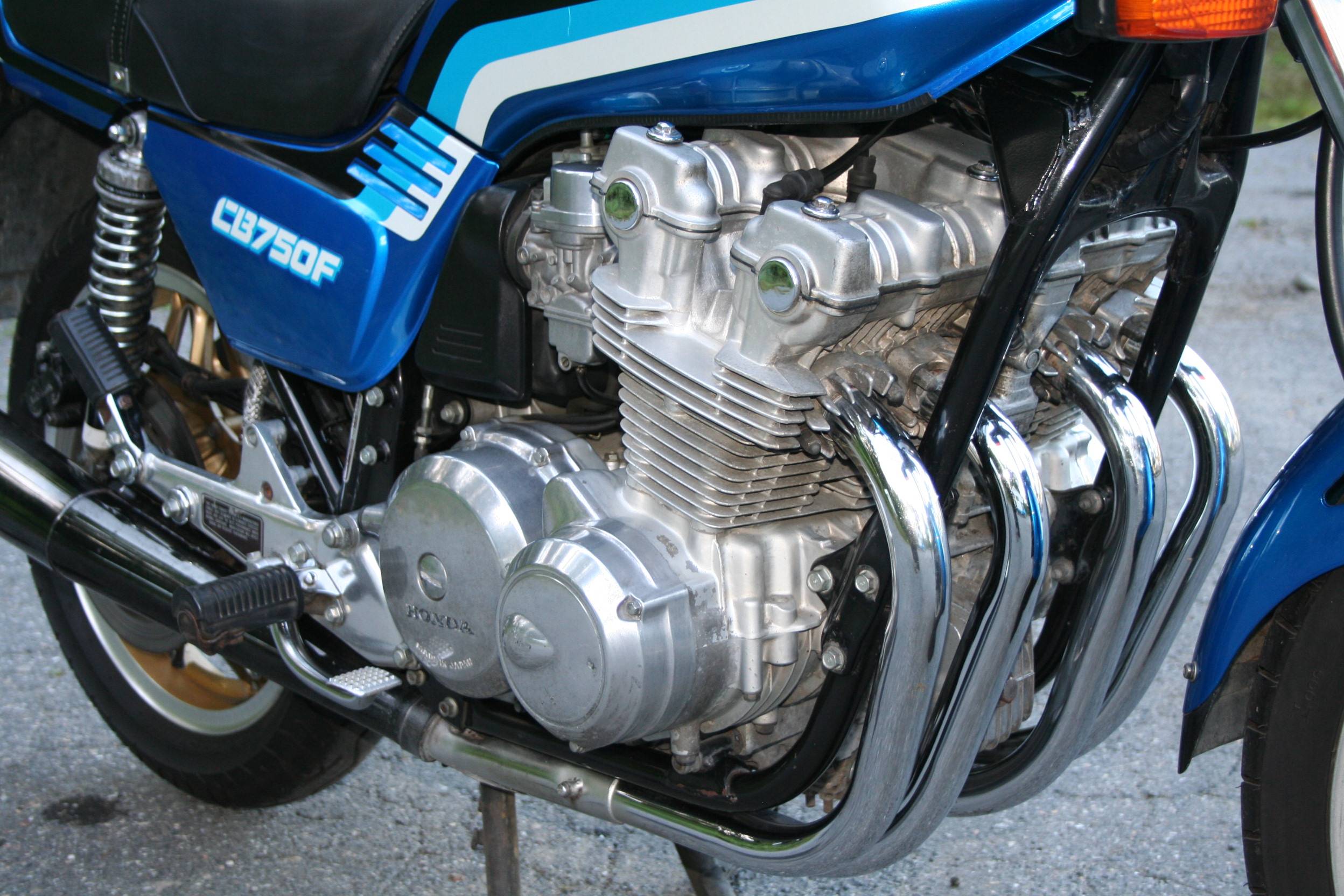
CB750F. First up in the triple offensive was the CB750F which was shown in 1978. Compared to its predecessor the CB750Four everything was new, both inside and out. New design and not least a completely new engine with double overhead cams, 4-valve technology, electronic ignition, and Keihin vacuum carburetors set the tone. The power of the CB 750F was stated at 76 hp, which gave it a top speed of a respectable 198 km/h. The 750n was a great all-rounder, and continued the quality Honda was known for.
0/0
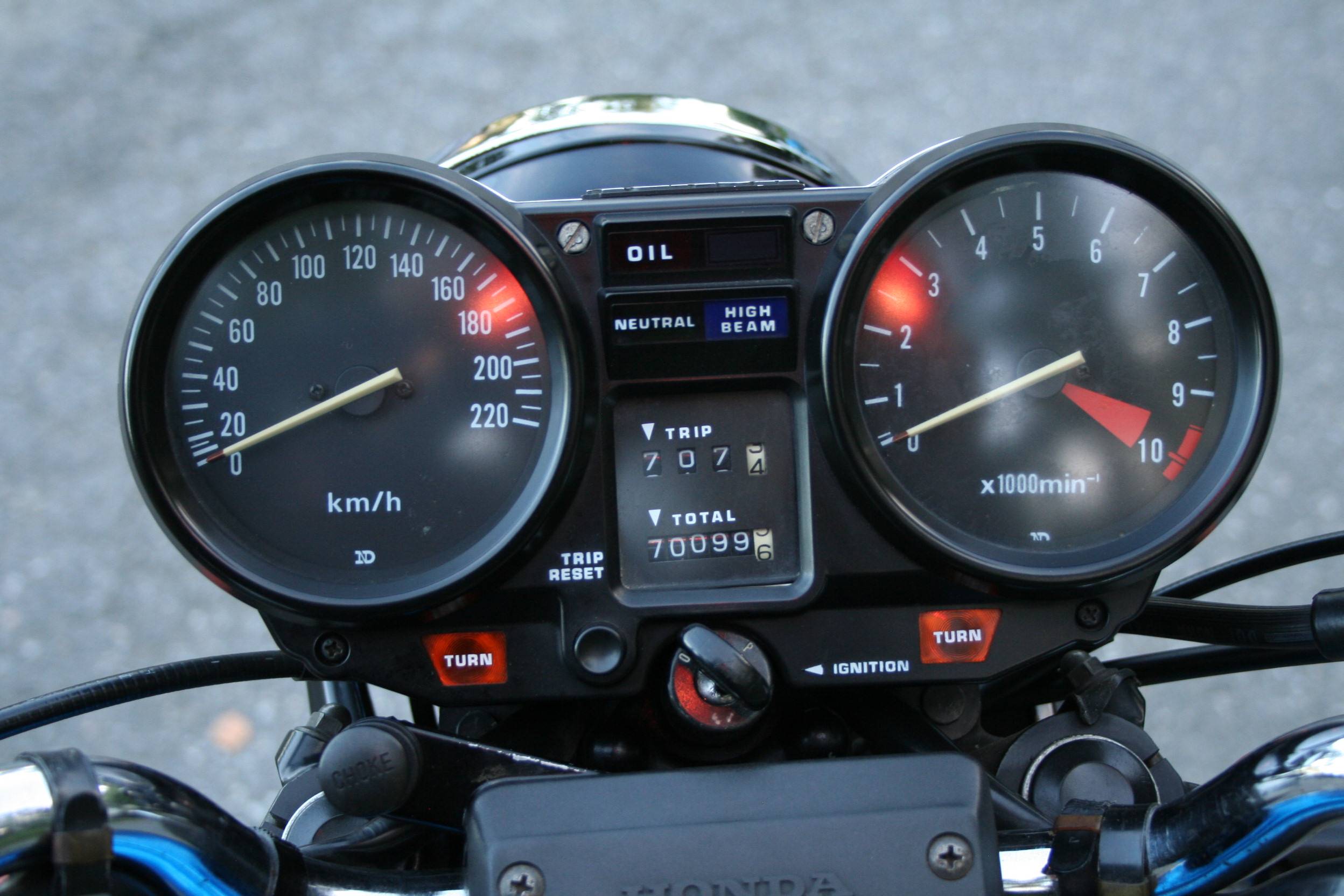
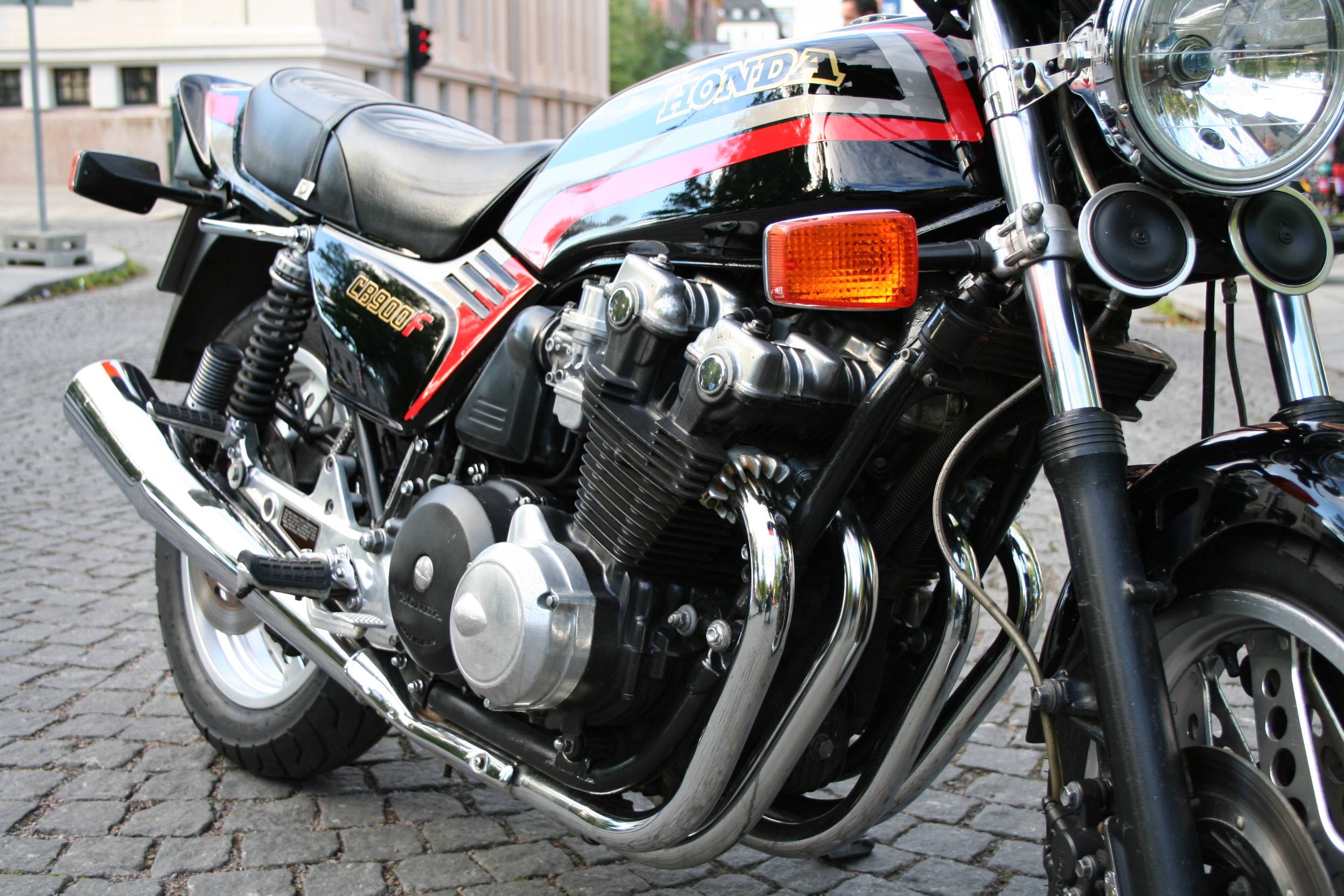
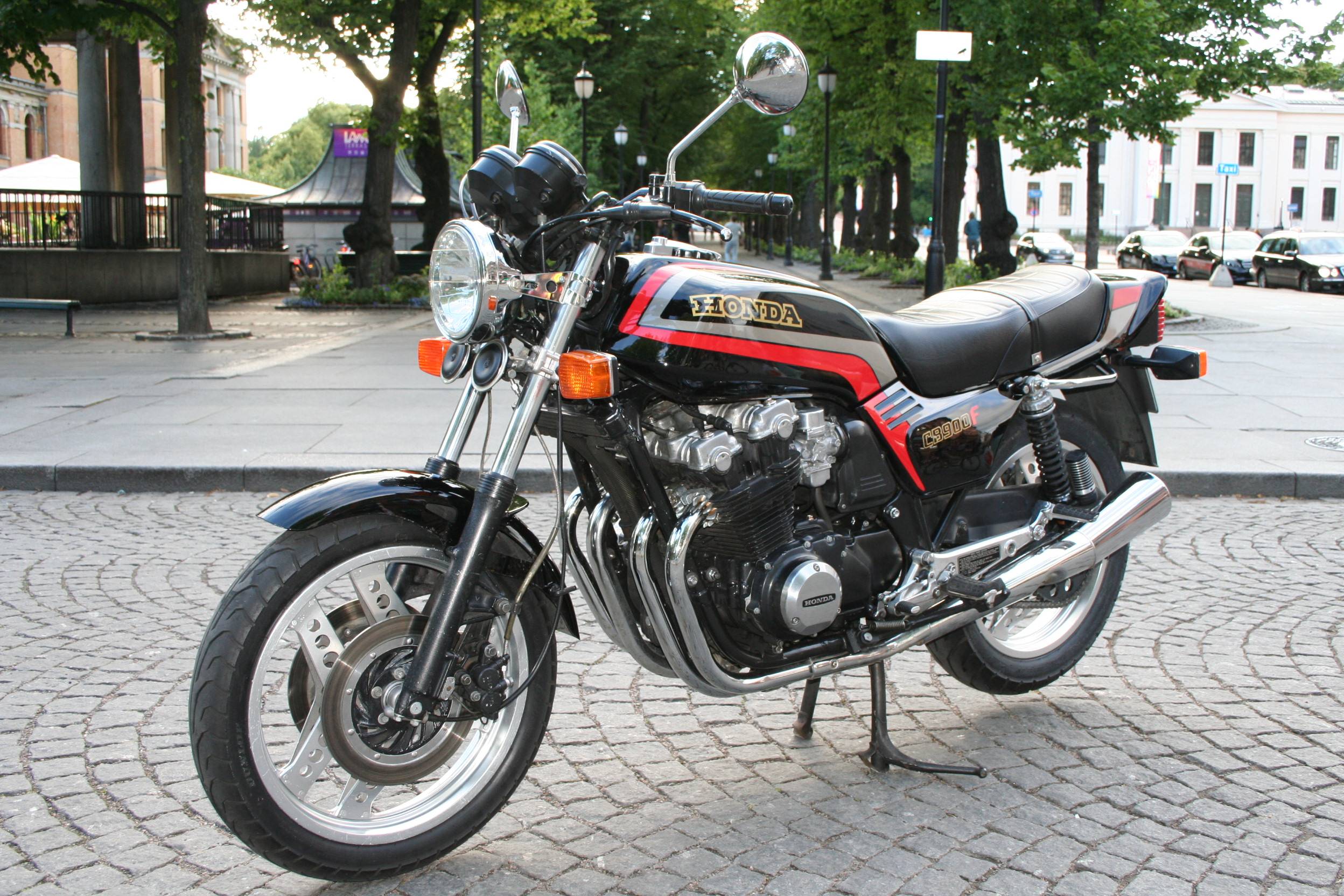
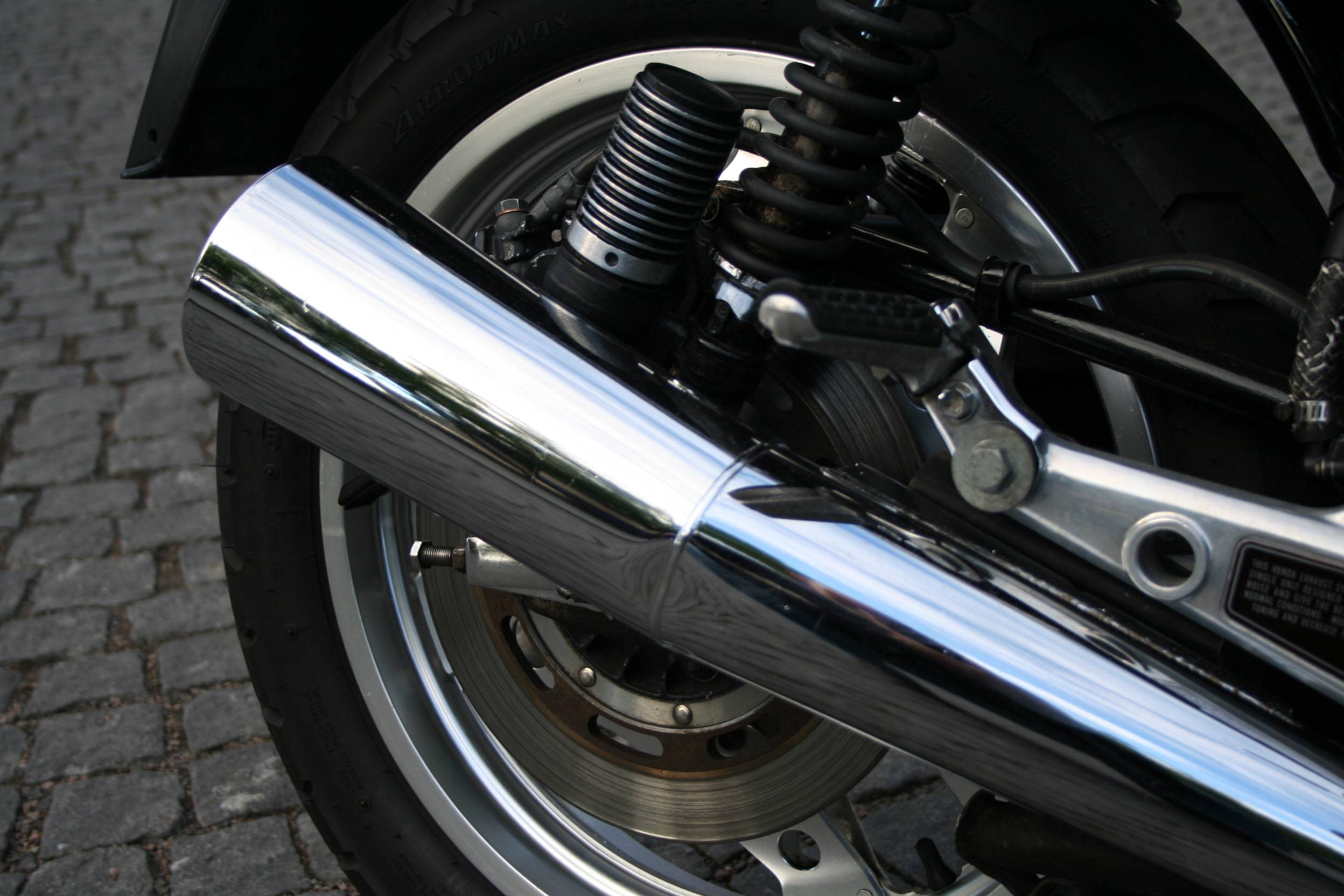
CB900F. Inspired by the success of the endurance racer RCB1000 that won the Bol d`Or four years in a row (1976-1979), the sporty CB900F was introduced in 1979. This had many similarities to the CB750F, and was basically the same bike, but with a larger displacement and an oil cooler, which was not found on the 750cc. The CB900F was a sporty machine, and with an output of 95 hp, and a top speed of almost 215 km/h, it was among the fastest in its class. The design was what Honda referred to as "Euro Style", with a more compact and modern design, and the instrument panel was inspired by an airplane cockpit.
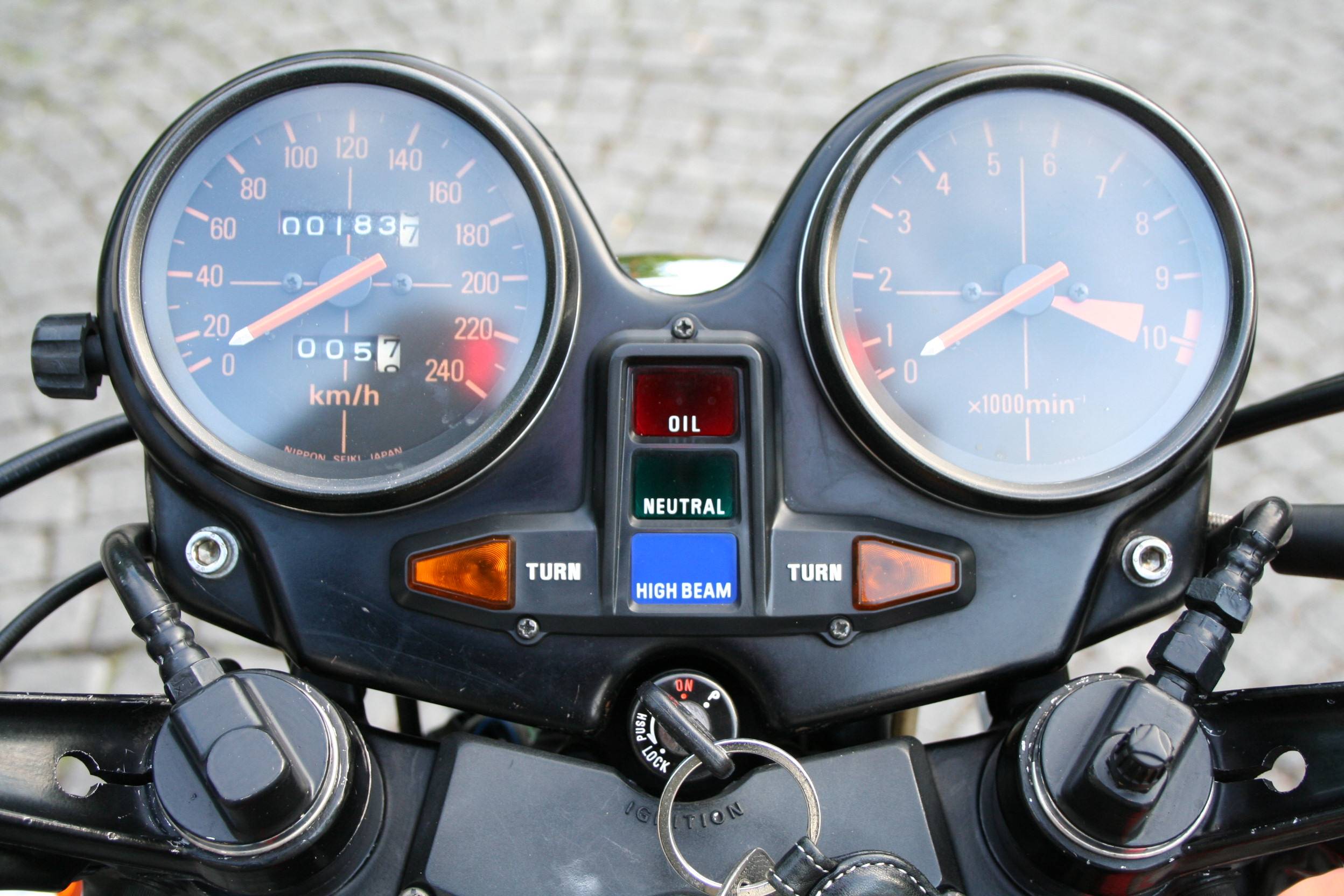
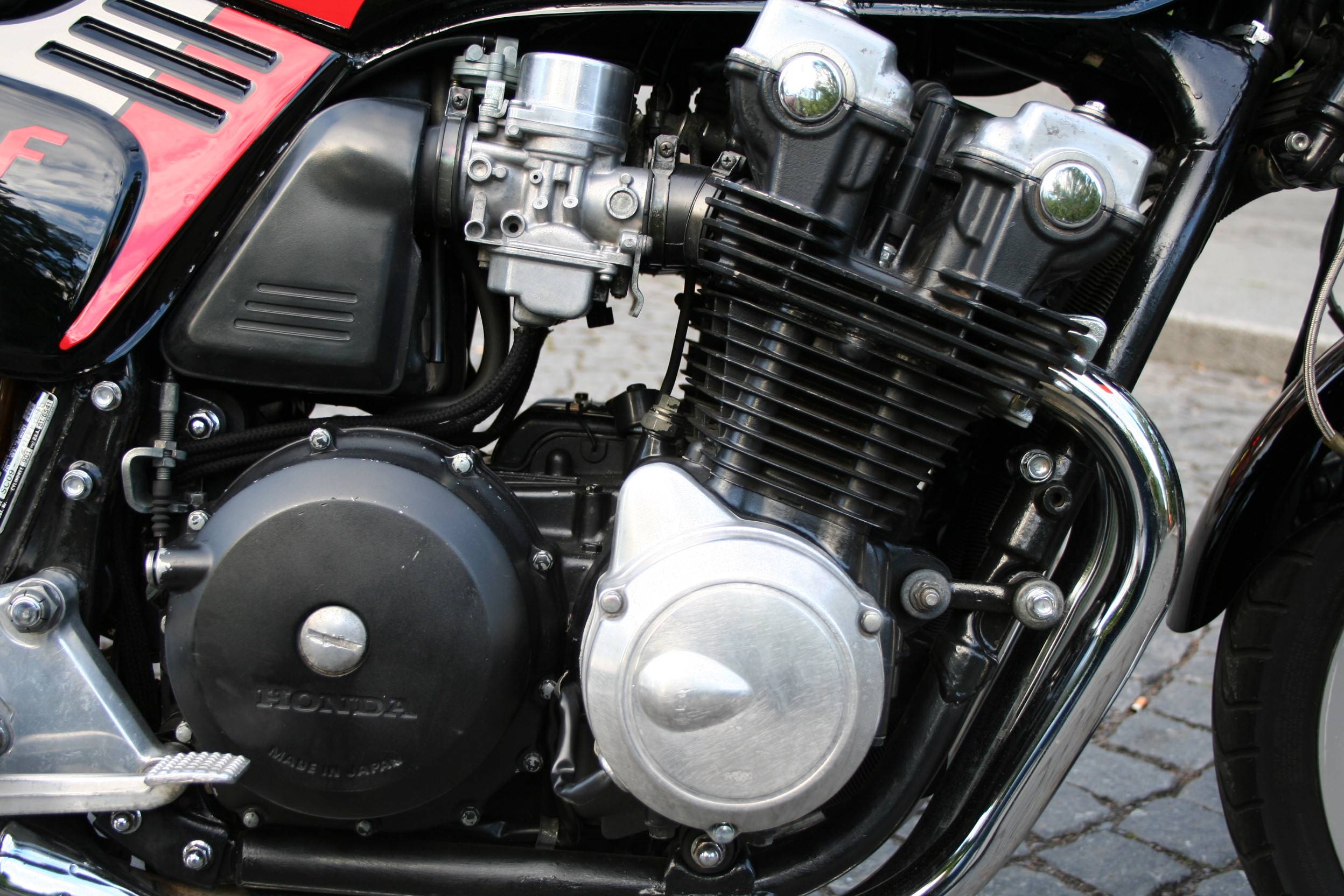
0/0
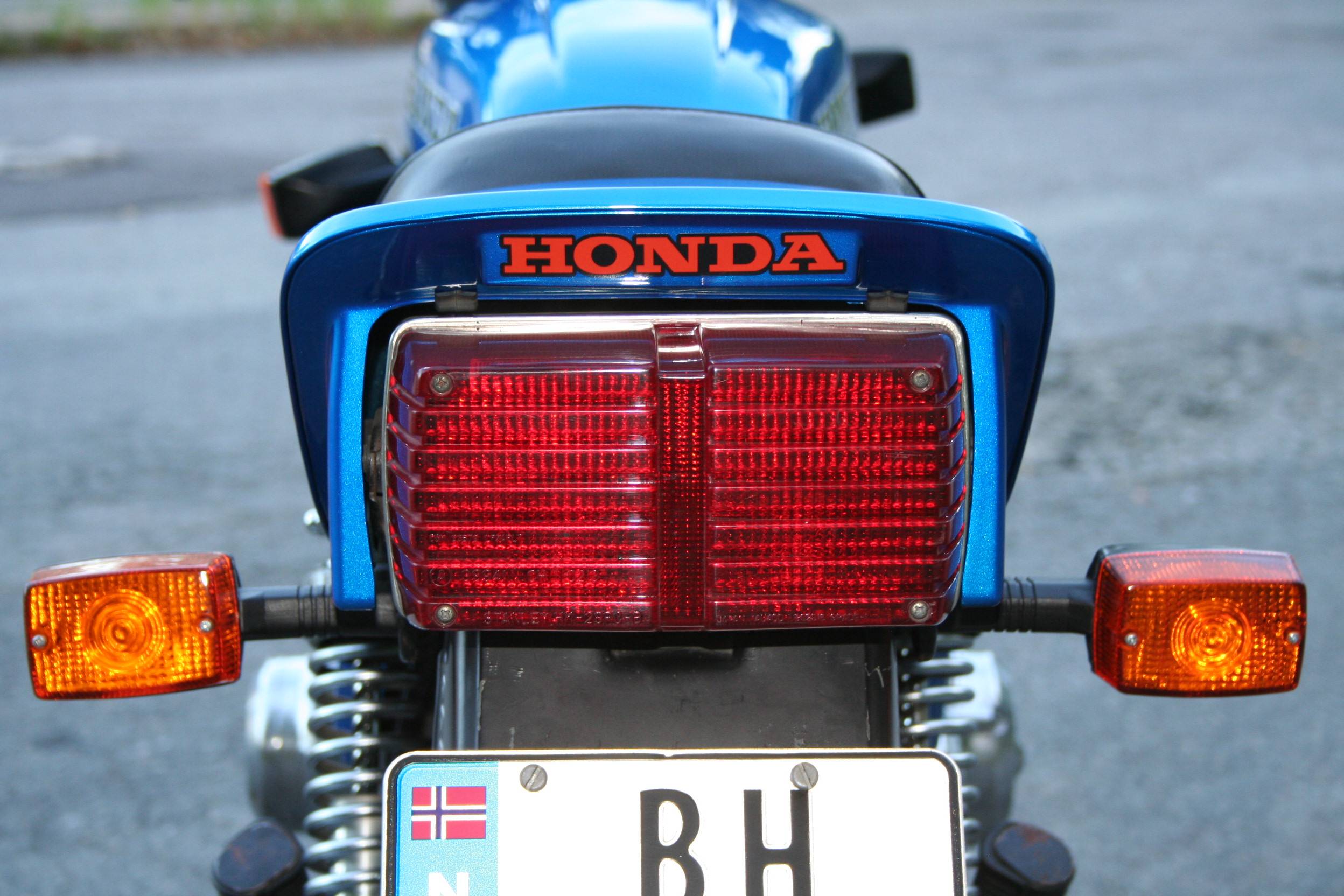
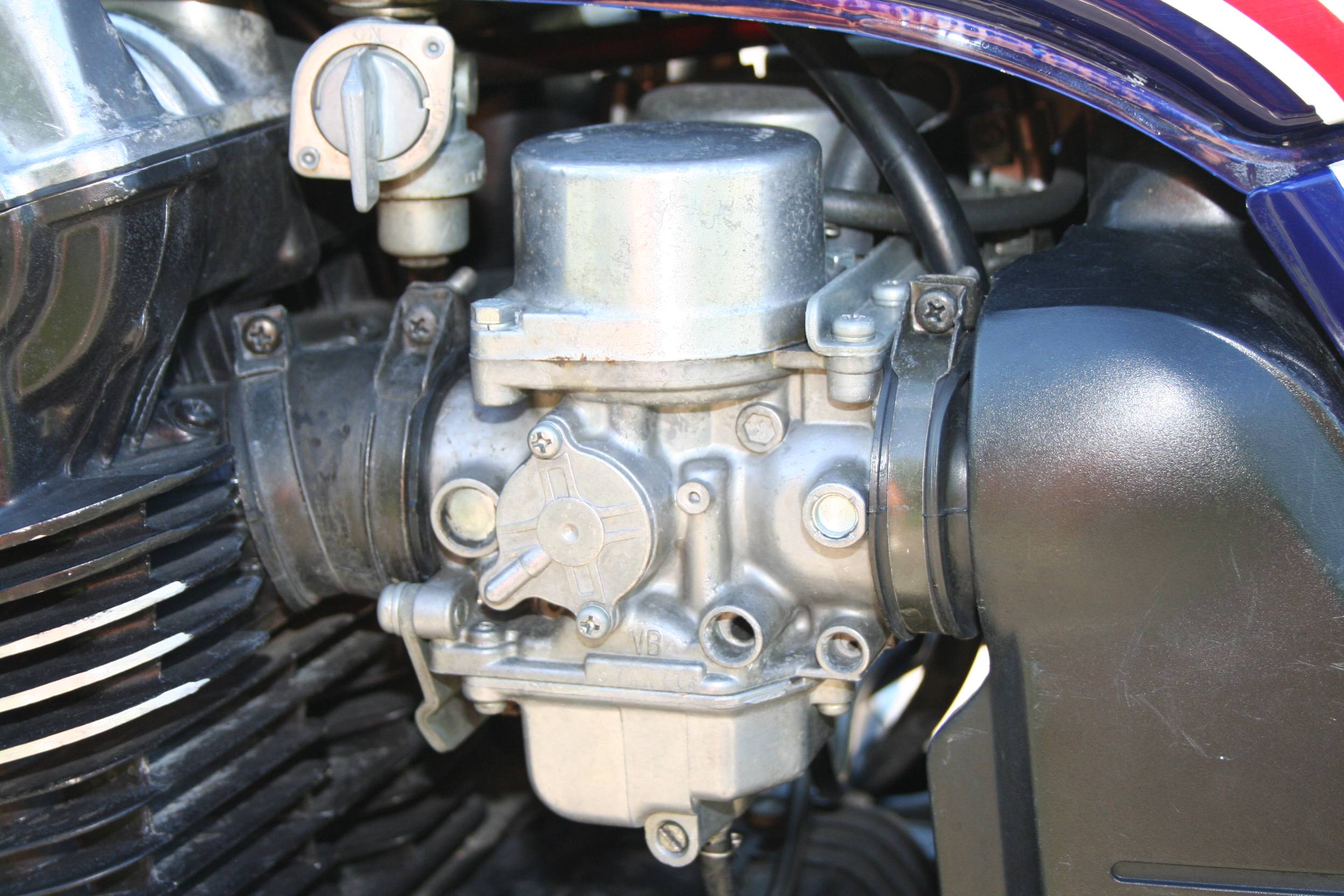
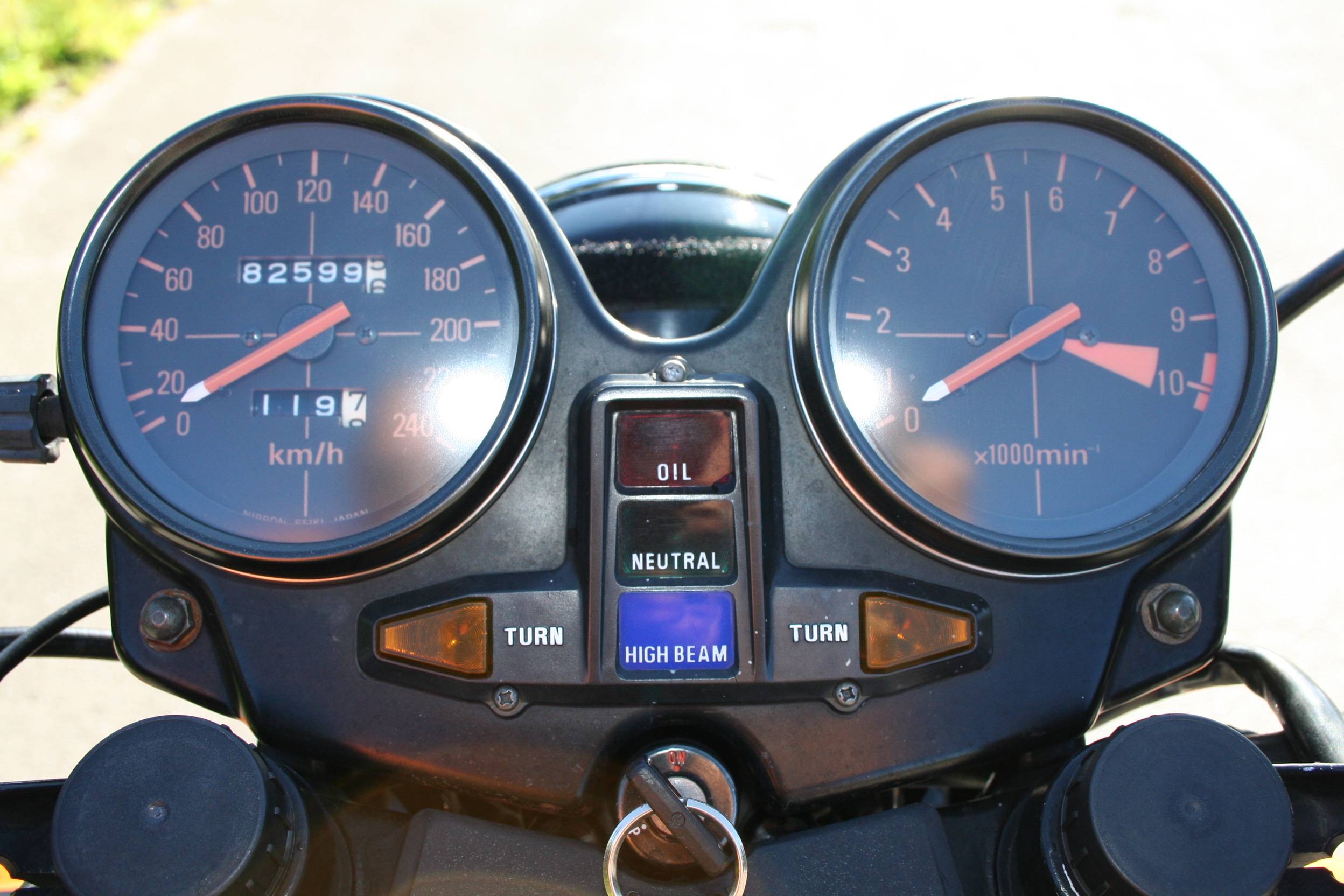
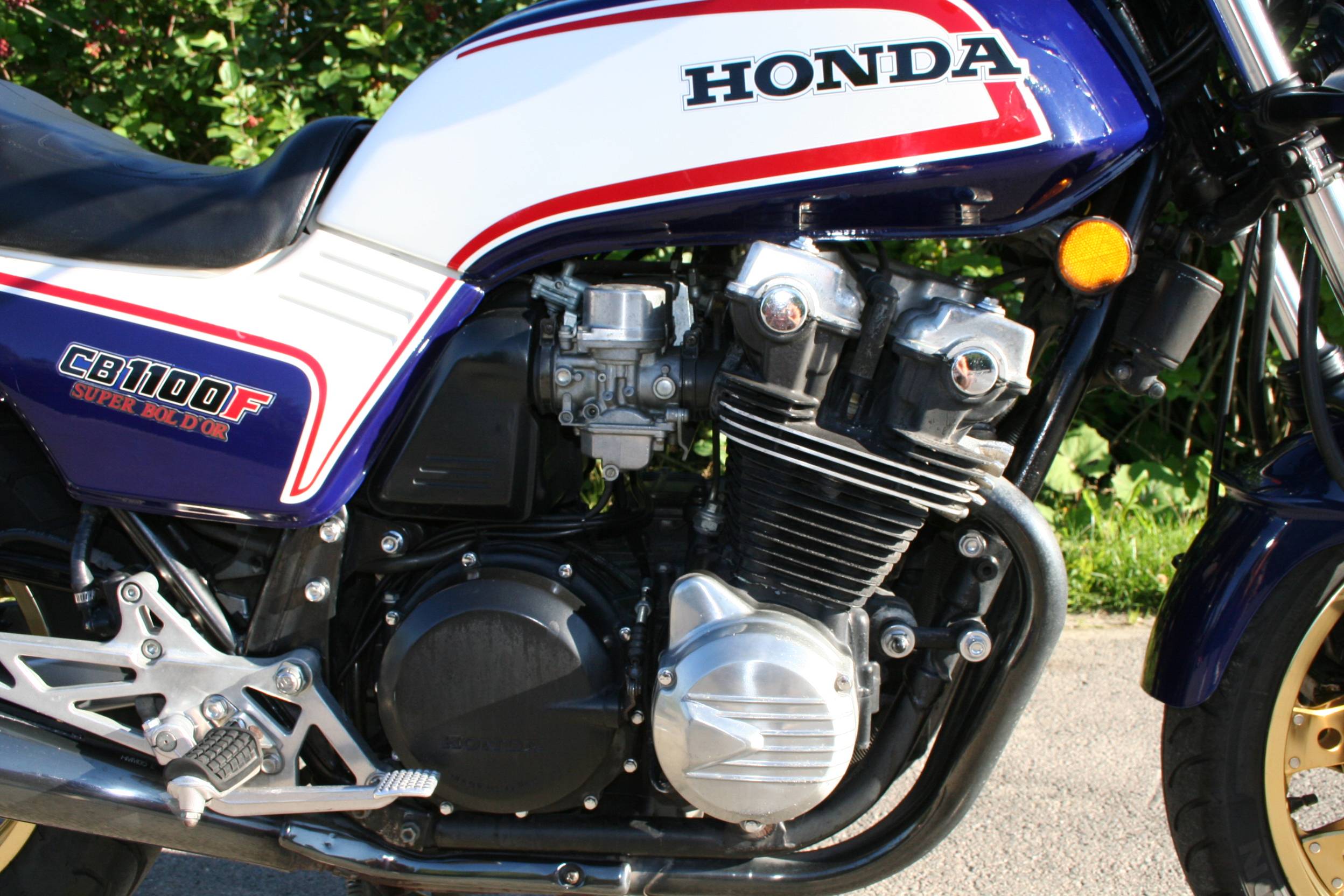
CB1100F. In 1983, the last model in the new CB series, the CB1100F, was introduced. Like the CB900F, it was also very similar to the CB750F. The design of the fuel tank, side covers, seat and fastback was identical. The same applied to the taillight and indicators, as well as other minor details. The exhaust system was of the 4-2 type, also identical to the 750n and 900n. The 1100cc engine had an output of 108 hp, and the top speed was just over 225 km/h.
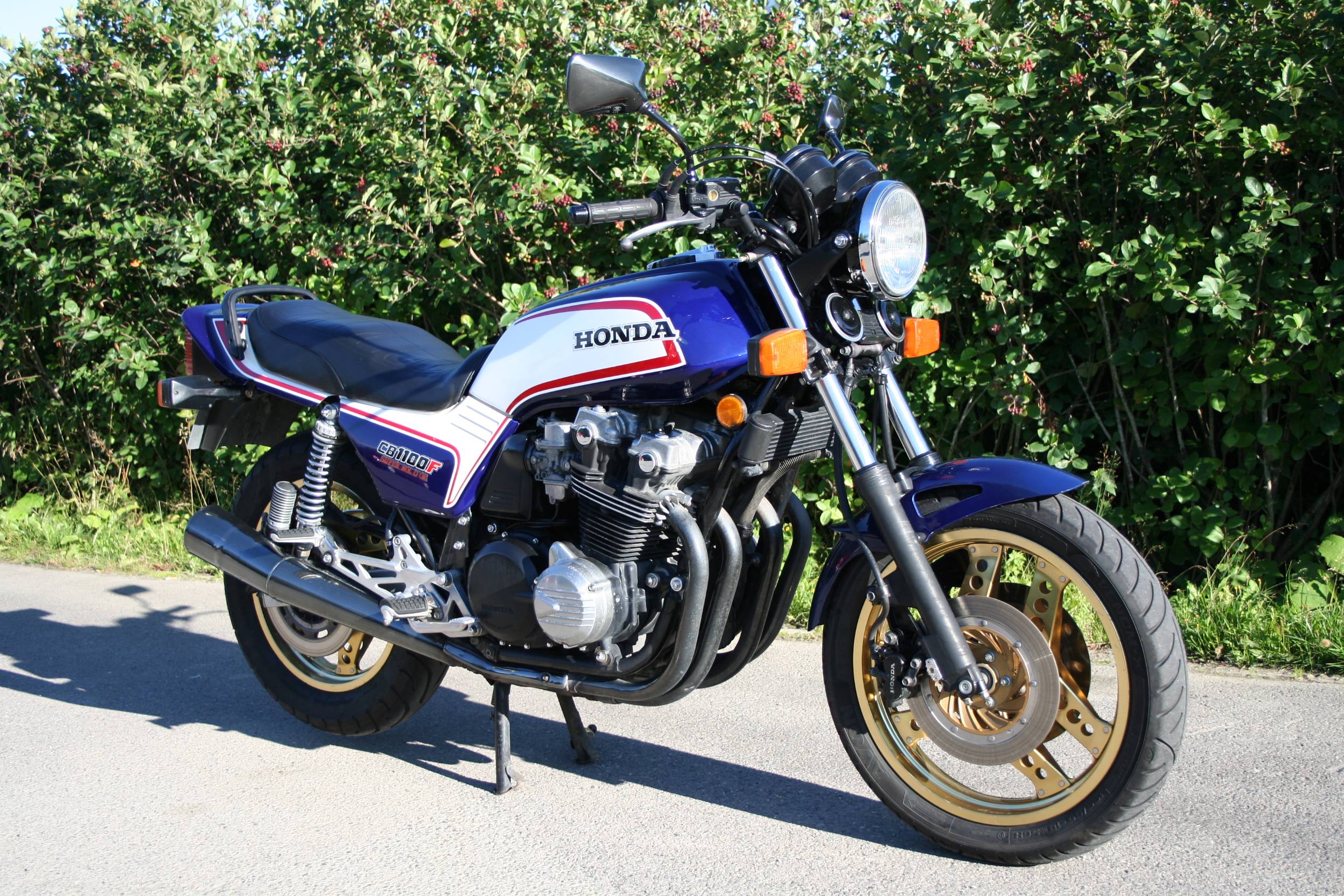
0/0
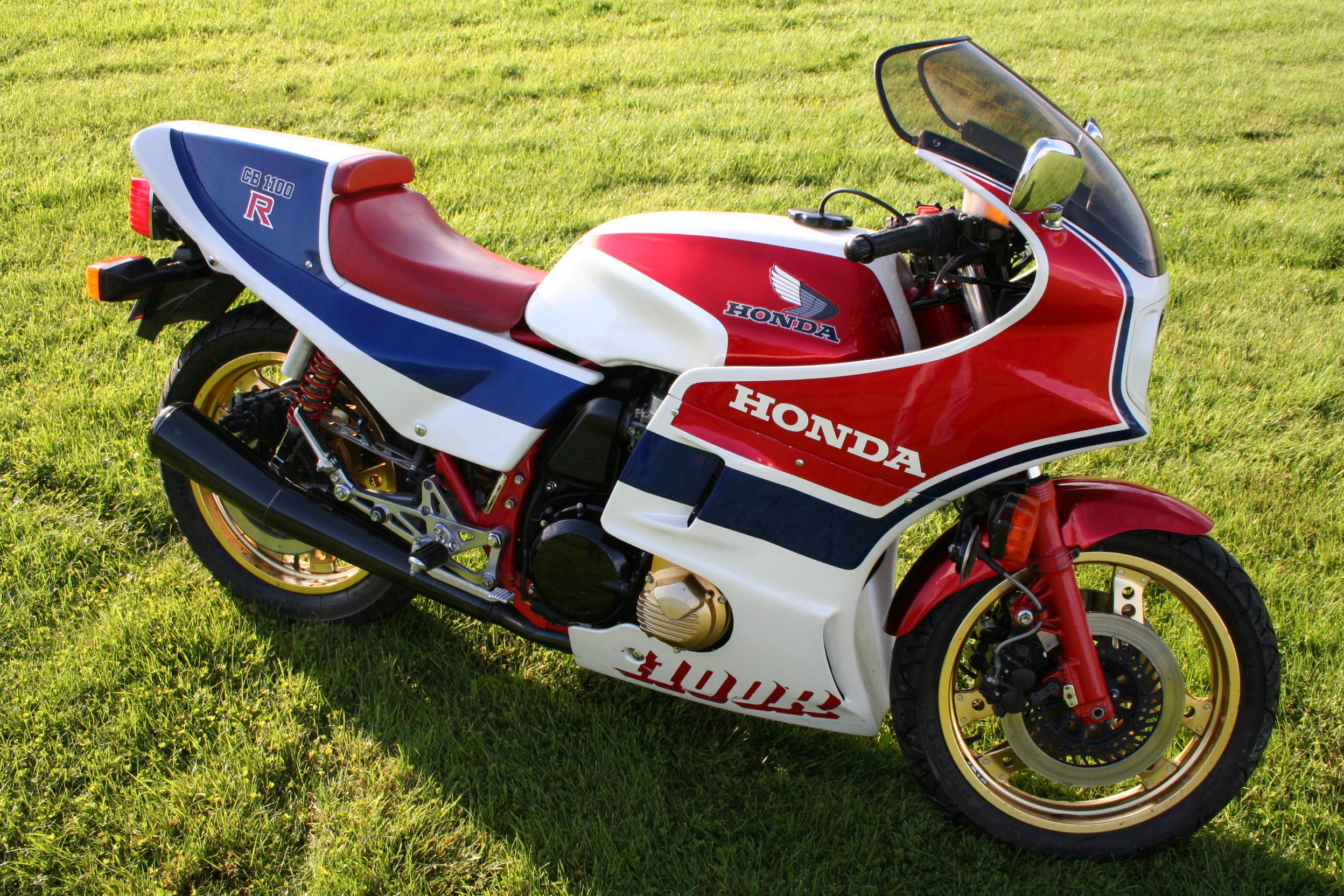
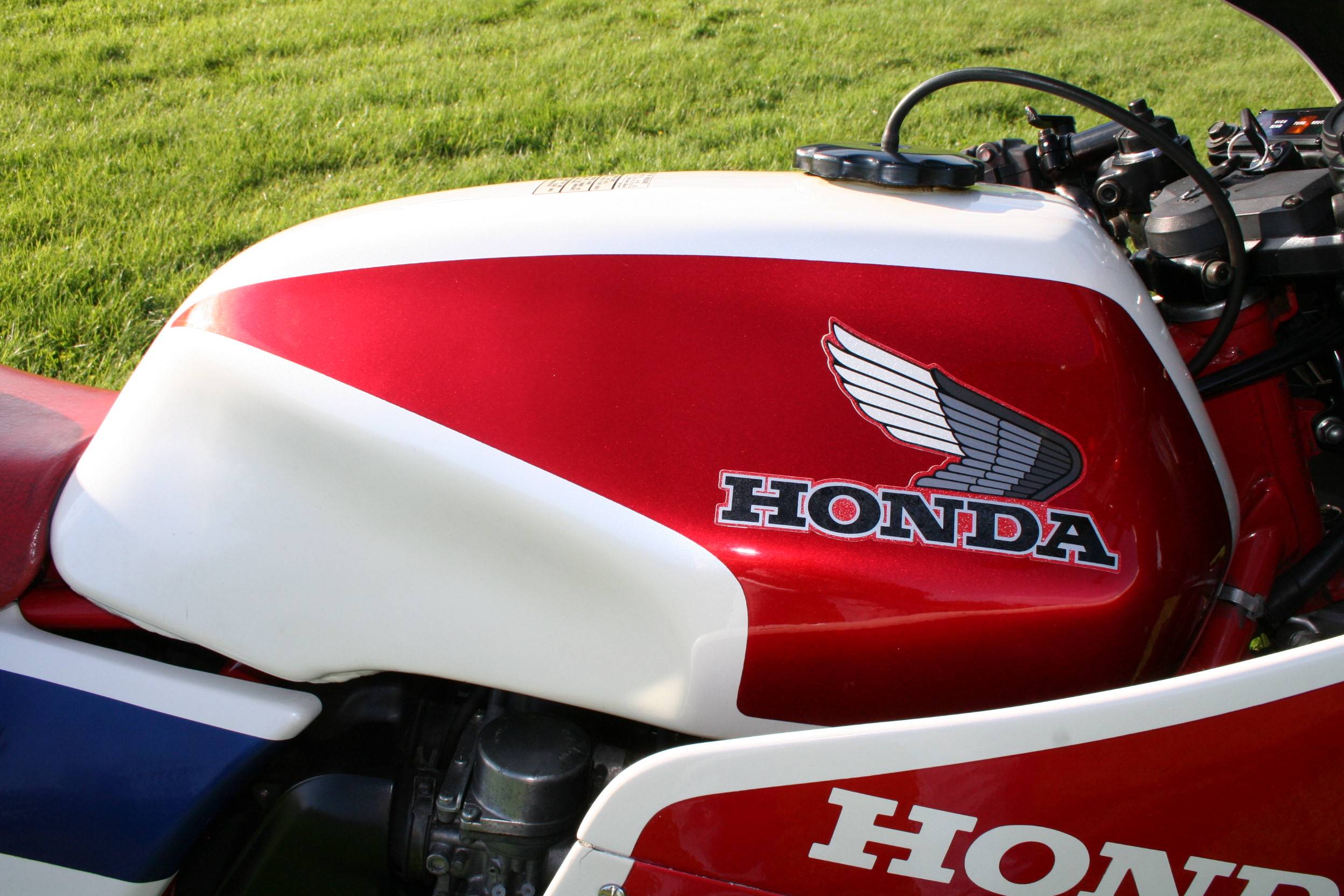
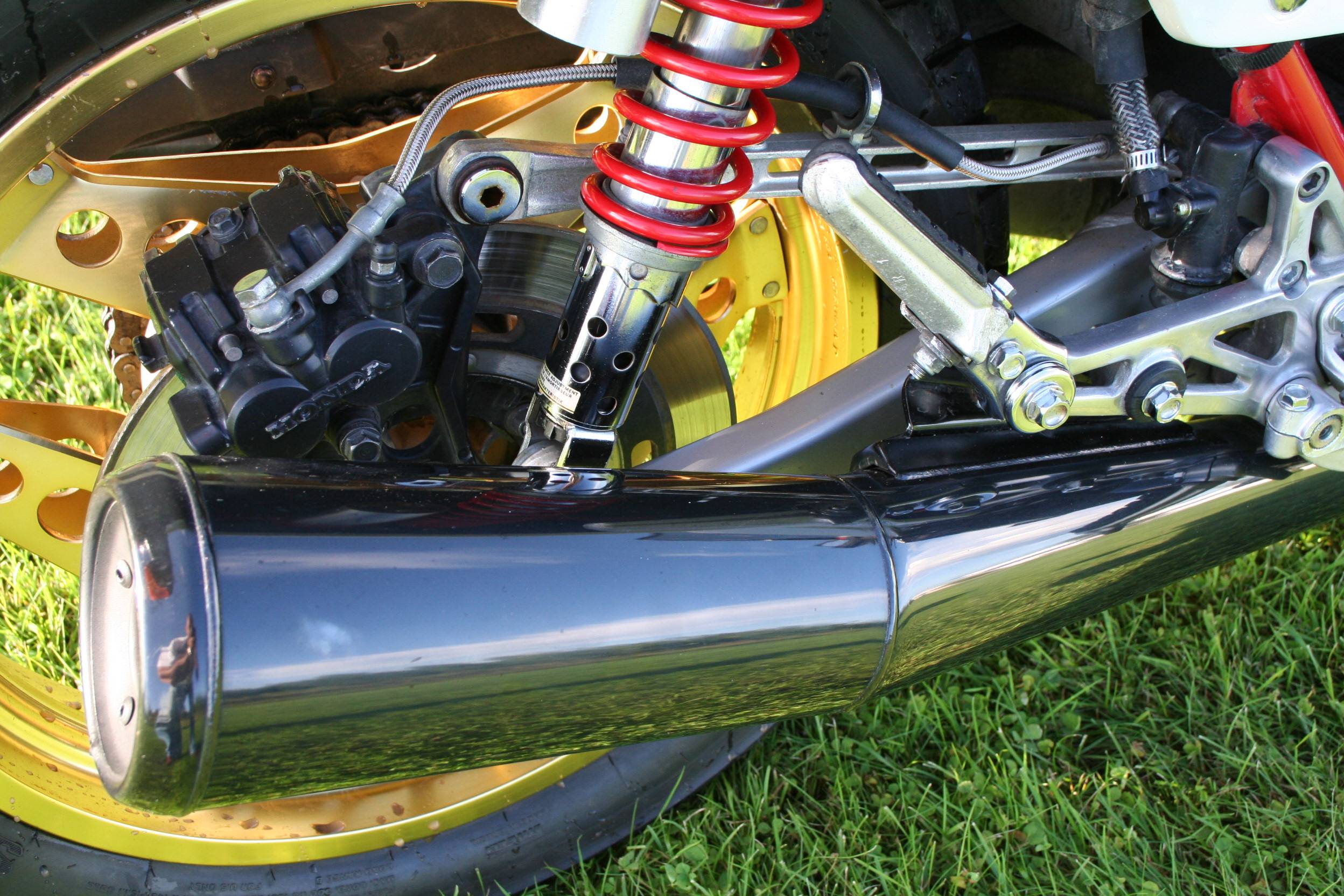
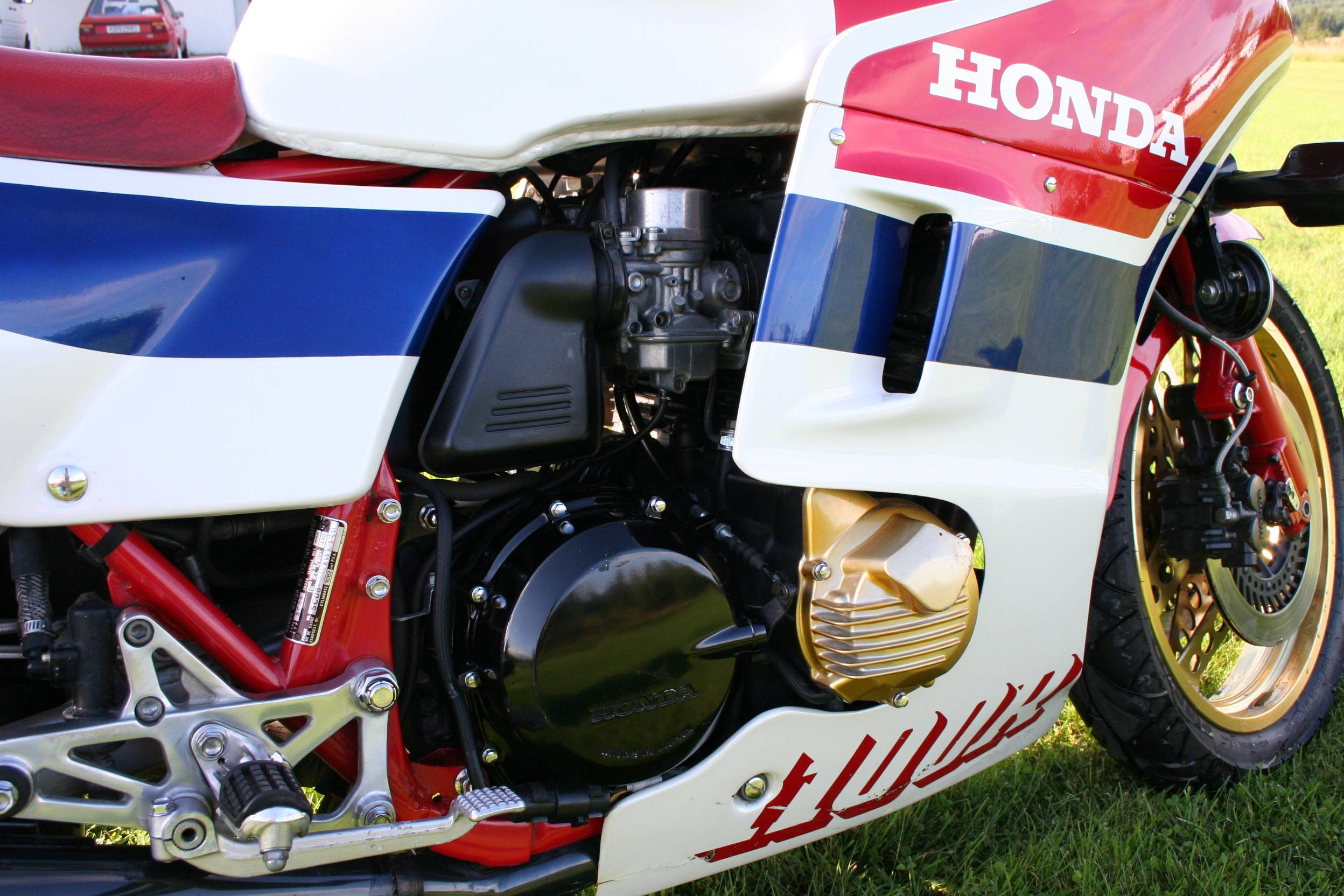
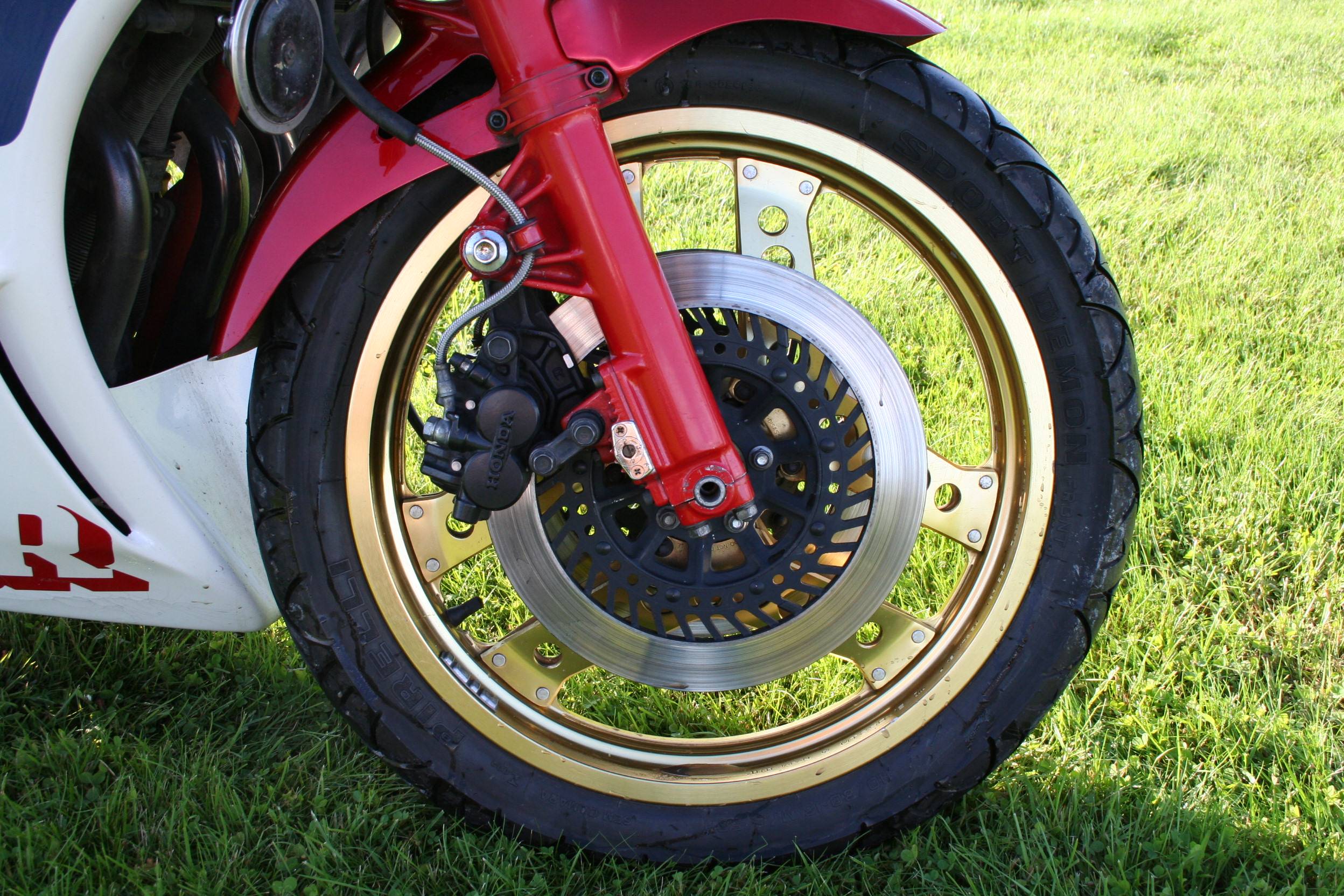
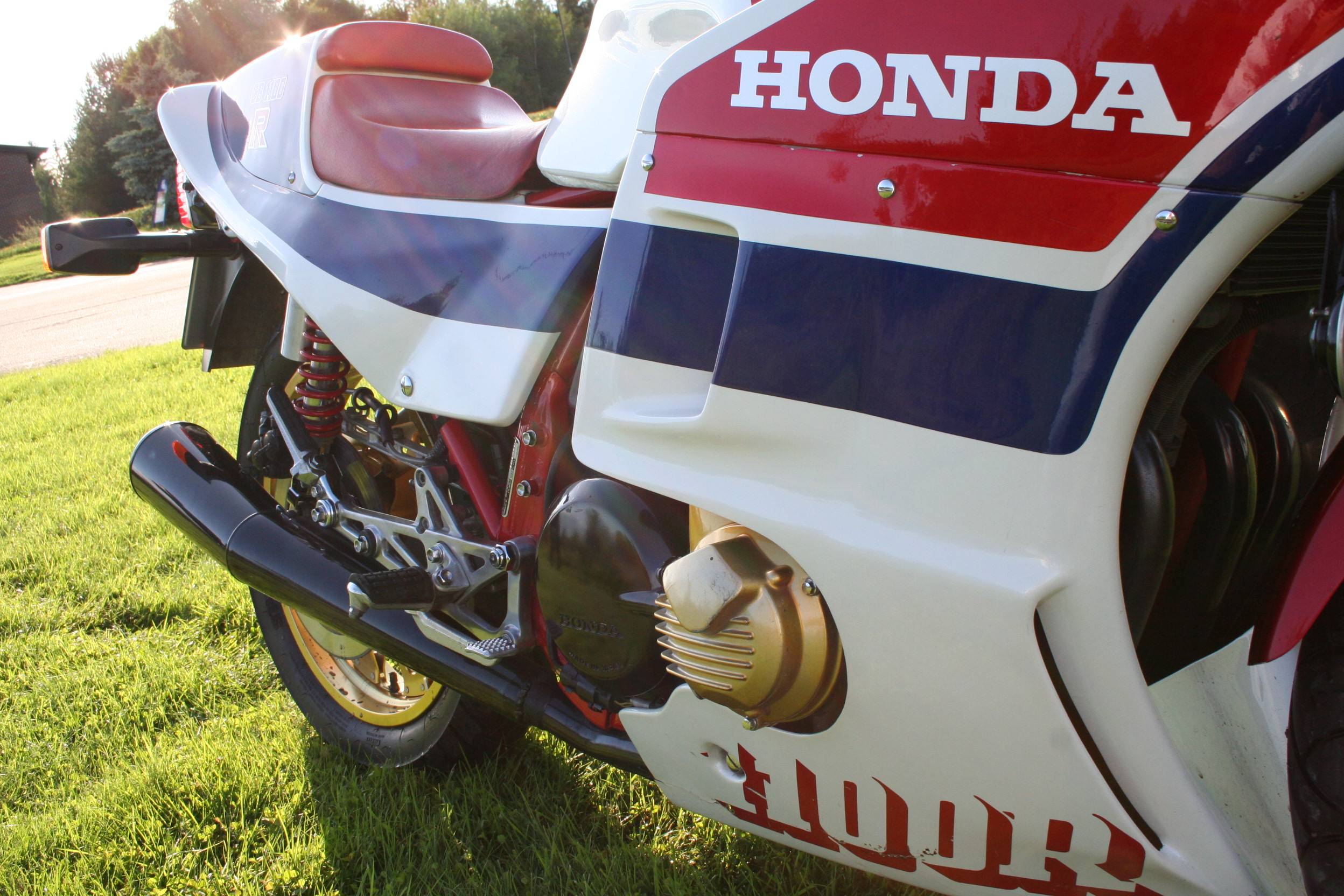
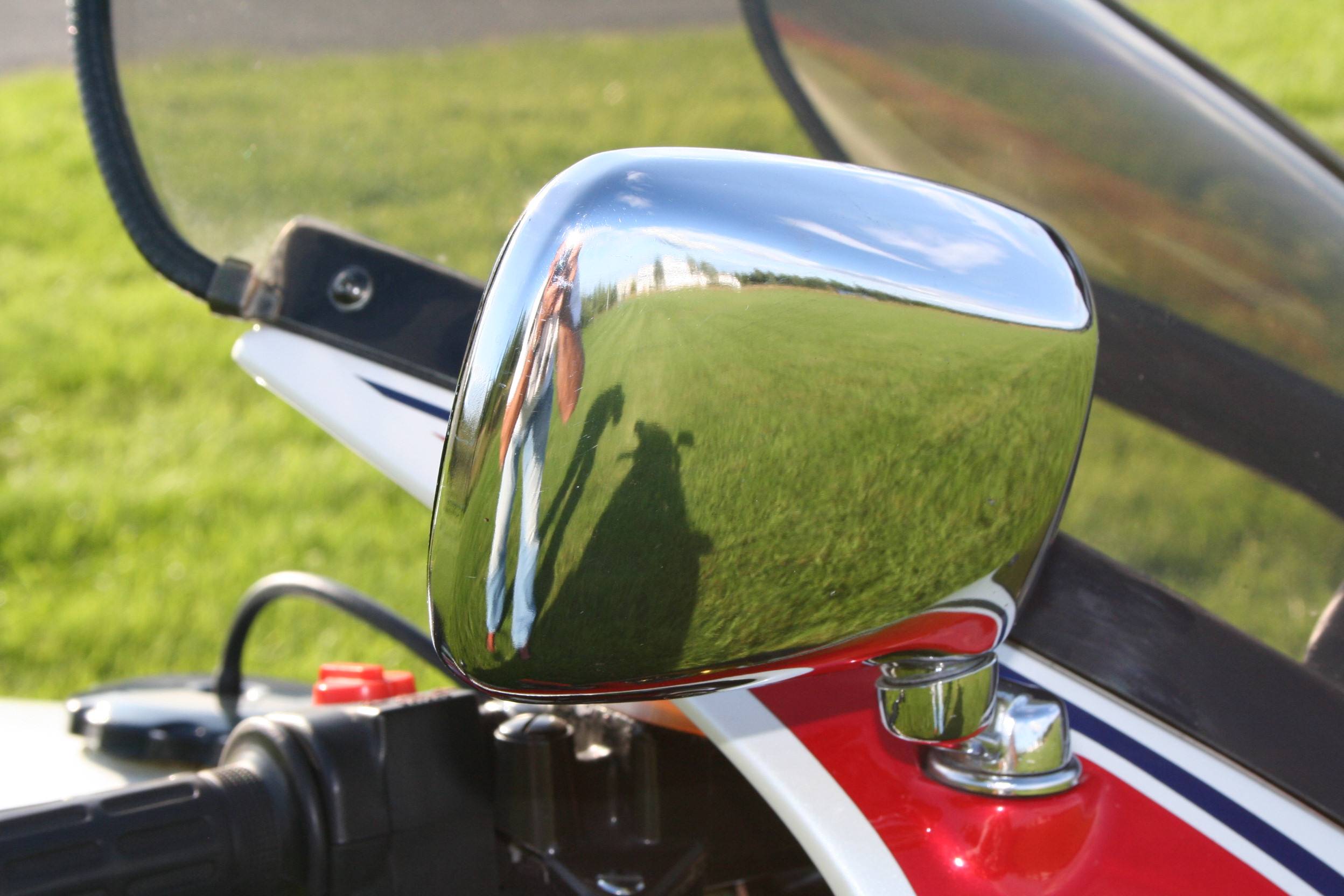
CB1100R. It is worth noting that the CB900F was the basis for the "worst" CB1100R that came in 1981, and which was produced until 1983. With 120 hp it was good for a top speed of 234 km/h, and the model has been designated as the first modern R-bike, although many would argue that Suzuki's GSX-R750 might be more accurate. The model was built to meet the homologation requirements for production racers of the time, and Honda won a number of long-distance races with the 1100cc.
0/0
Sporty machines. The four models represent in many ways the latest generation of air-cooled inline-fours from Honda . The CB1100R is, compared to the other three models, an outlier, and was given a typically sporty feel, and combined good handling characteristics by the standards of the time with good speed resources. The model was produced in a very limited edition compared to the other three models. Owning and repairing/restoring the CB750F, CB900F and CB1100F is very rewarding because many of the parts are identical and interchangeable. The availability of original parts is also good, both in the market for new and used parts. As for the R model, it is more demanding in terms of parts etc., naturally since only about 4050 copies were produced in the period 1981-1983.
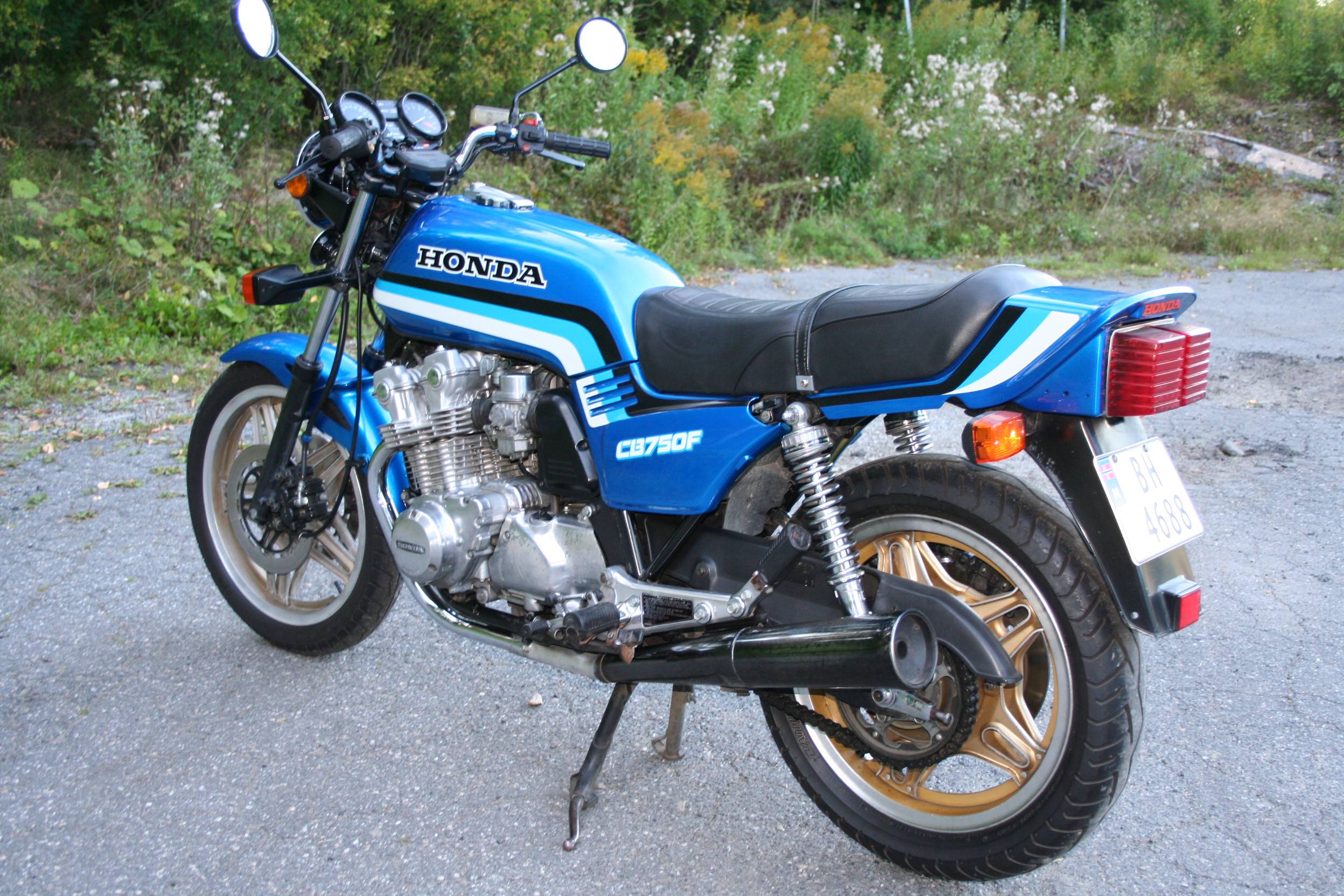
Honda's new 1978 styling was referred to as "Euro Style" and was very well received.