
The 70s; Rickman and Vetter's heyday
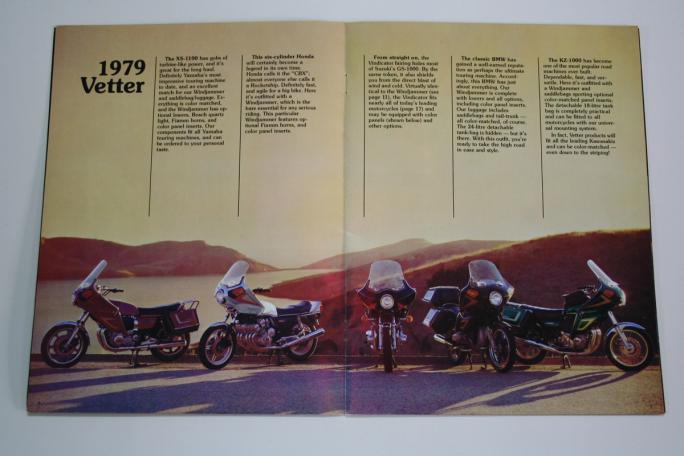
The 1979 collection of coats from Vetter. Photo: Craig Vetter
Riding a motorcycle into a headwind is tiring in the long run, and when the new generation of motorcycles entered the 70s, these were naked machines but with speed resources that literally gave you backlash. The solution was fairings in various varieties, from small handlebar fairings, to large touring fairings that provided protection from head to toe.
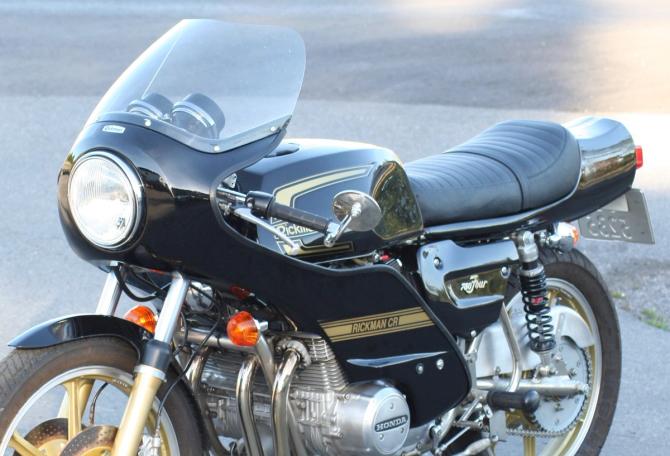
Rickman's racing coats were very popular and had a great and functional design.
If you want to avoid being caught by the wind when riding a motorcycle, a fairing is often preferable. However, this device was absent from most motorcycles at the beginning of the 1970s. Equipment from Vetter, Rickman , and Dunstall was largely a result of a rapidly growing motorcycle market, and with motorcyclists who had individual needs far beyond settling for a naked bike.

Triumph X75 Hurricane was designed by Craig Vetter
Motorcycles were getting stronger and faster. Some bought what we now often refer to as racing bikes, or cafe racers, others fell for the bigger, heavier cruisers. Some were looking for speed, others took to the highway for the longer stages.
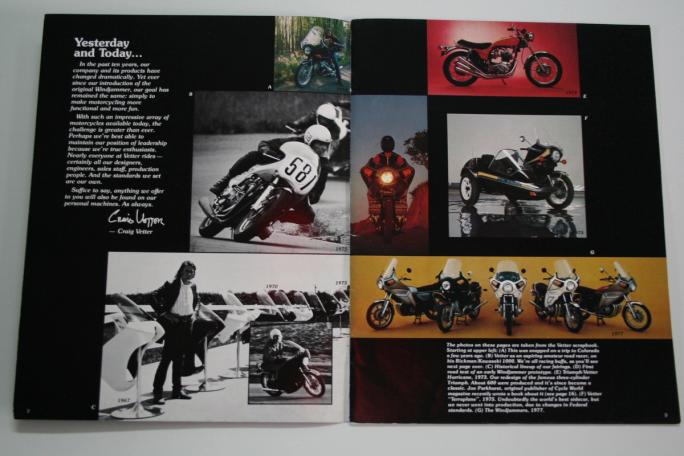
Vetter's world; fiberglass design. Photo: Craig Vetter
However, both groups needed to reduce headwind as much as possible. In short, this created a need for fairings. There were opportunities here, and a number of manufacturers jumped into the market, offering both fairings and side cases.
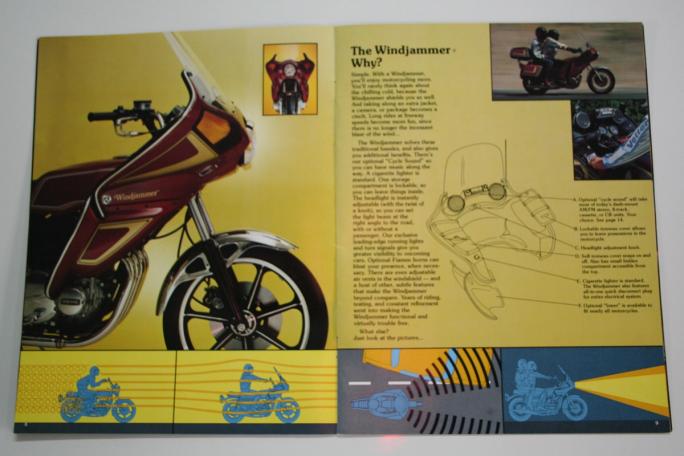
Photo: Craig Vetter
Craig Vetter, who lived in California, quickly became one of the major suppliers of equipment that significantly improved riding comfort. Vetter was no stranger to motorcycles, and had designed the spectacular, but fairingless Triumph X75-Hurricane. Vetter's equipment was mainly aimed at the touring segment, and consisted of full fairings and pannier sets.
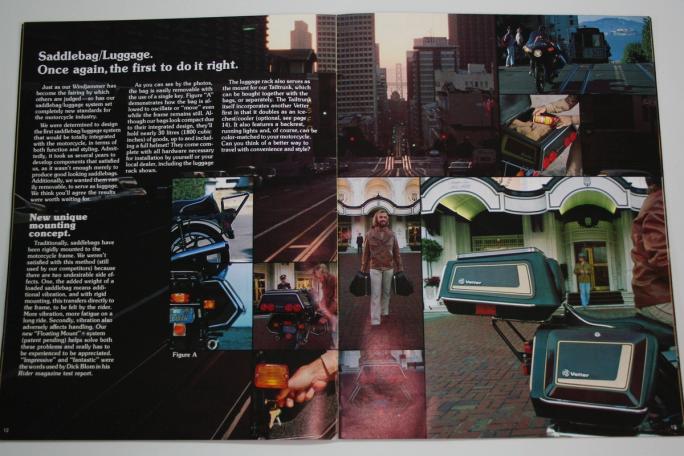
Photo: Craig Vetter
Who doesn't remember the first Honda Gold Wing with a retrofitted Windjammer fairing, often equipped with a radio and cassette player? Vetter's touring fairing "Windjammer" was pure luxury. It had storage compartments on both sides, a cigarette lighter, a 12-volt power outlet, and was prepared for the installation of a radio/cassette player. Vetter's equipment list was quite extensive, and for cold days the sales brochure recommended "Hippo Hands."
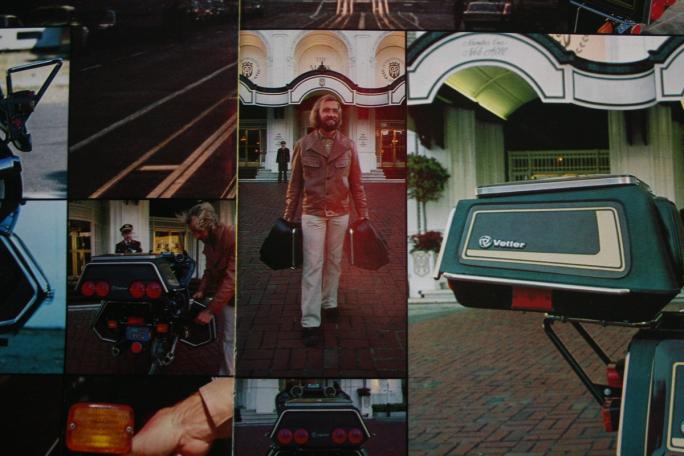
Photo: Craig Vetter
They provided perfect protection for hands in cold and wet weather. This type of protection is rarely used today. Now heated grips are the norm. Vetter also offered a cooler bag. The blue cooler bag was adapted to the top case and could be easily removed using the carrying handle on top. Great to have when food and drinks need to be kept cold. Everything for increased comfort and comfortable cruising.
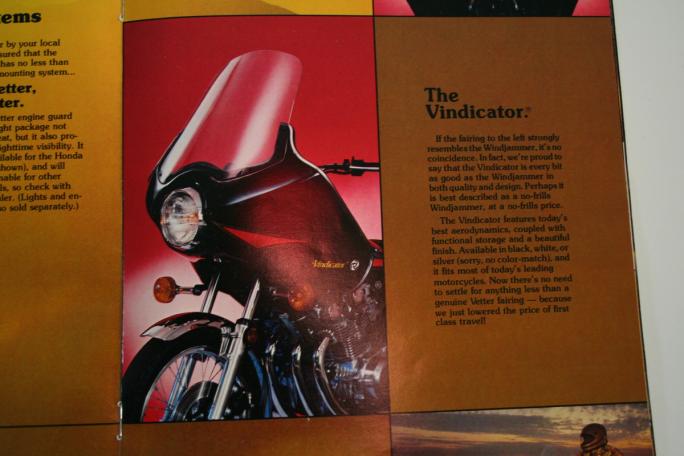
Photo: Craig Vetter
Or how about Suzuki GS750 with the brothers Don and Derek Rickman 's ¾ fairing called "Centura". Tough, aerodynamic and strongly race-inspired. Or how about a cool Commando in Dunstall livery. The offer was large, with a number of manufacturers that supplemented keen motorcycle enthusiasts who wanted less air resistance, more speed and better riding comfort.
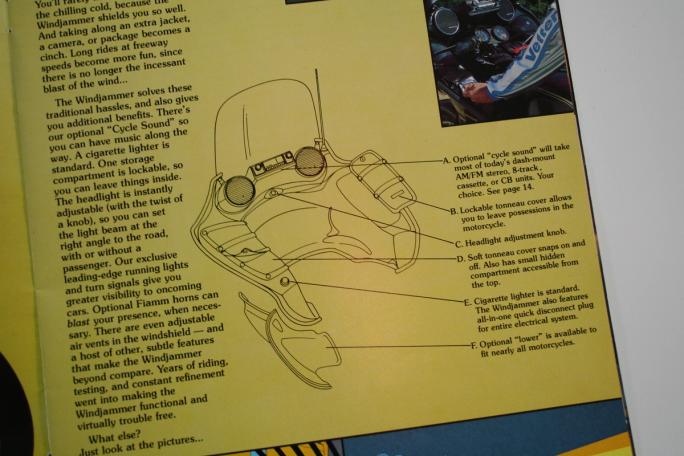
Photo: Craig Vetter
The market for aftermarket motorcycle fairings and panniers was large, and had its golden age from around 1970 until the early 1980s. But, no rule without exceptions. There were some exceptions to the rule that there were only naked bikes in the 1970s. Both Moto Guzzi 850 Le Mans and BMW R100RS were delivered with a fairing from the factory. The latter had a very elegant and not least aerodynamic full fairing that was developed in the wind tunnel at Moto Guzzi in Italy.
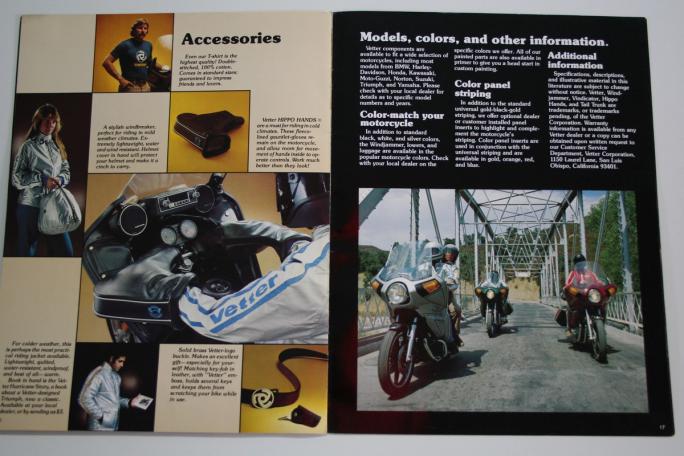
Photo: Craig Vetter
This was around the mid-1970s, and aftermarket manufacturers were still having good times, and they lasted until the 80s. Then more and more models came with fairings as standard equipment, whether these were models in the touring segment or the sports segment, and gradually brands like Rickman , Dunstall, and Vetter, etc., disappeared.
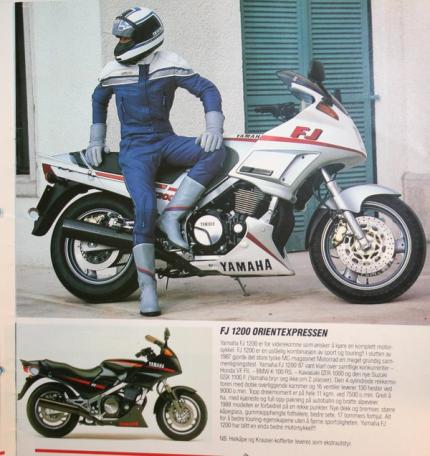
In the 80s, fairings became standard on more and more motorcycles.