
Yamaha XJ900
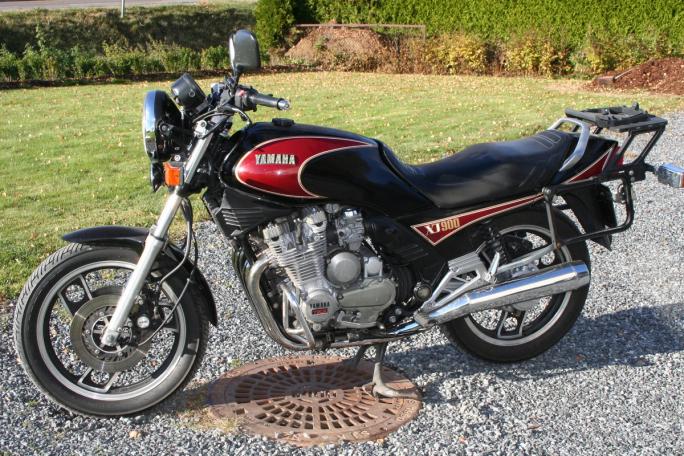
For many motorcycle enthusiasts, the number “900” is synonymous with Kawasaki’s classic from 1972, the Z900. However, there are several great 900cc bikes, including Honda CB900F, and not least Yamaha’s shaft-driven sports tourer XJ900. The latter became an important model for the Hamamatsu-based group, and with the XJ900 they took a step away from the design and technology of the 1970s, and turned their attention towards the future.
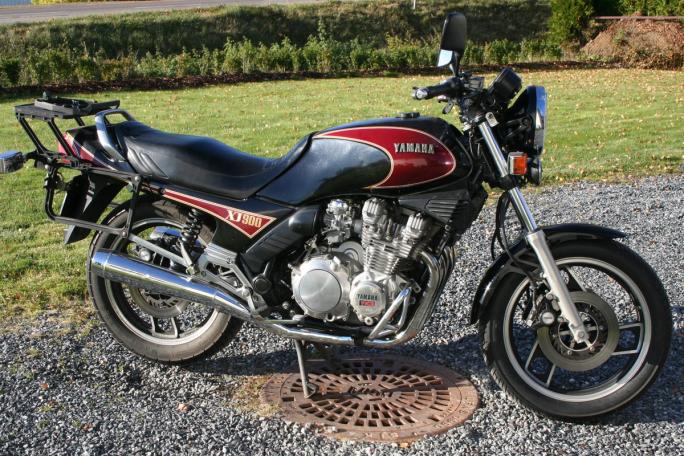
Modern technology. The Japanese motorcycles of the 1980s were, compared to the 1970s, significantly upgraded in terms of both technology and design. With the XJ series, Yamaha took an important step towards becoming one of the leading, perhaps even the leading, Japanese motorcycle manufacturers in terms of engine technology.
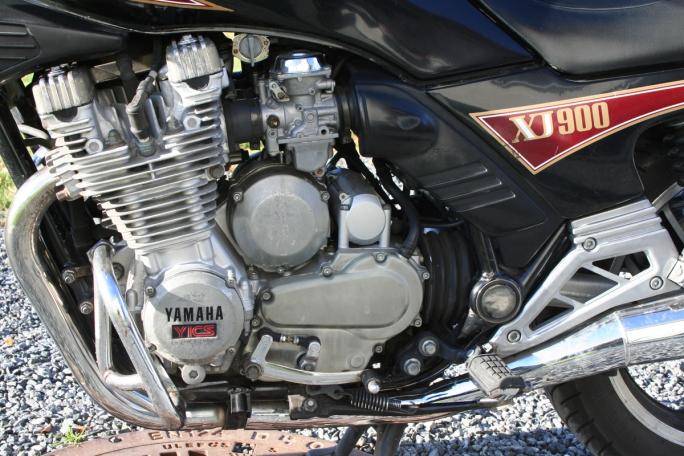
From XJ600 to XJ900. FFirst in the new generation from Yamaha came the XJ600. Yamaha gained useful experience with this particular model, and in 1983 its big brother, the XJ900, came out. The nine-hundred-cubic-liter was a typical sports tourer, with a shaft drive on the rear wheel. Yamaha placed the alternator at the rear of the engine instead of at the end of the crankshaft. This gave a very narrow engine block that still provided sufficient space for four cylinders. As a result of this solution, the bike had good ground clearance on steep descents, which invited sporty riding. To ensure that it could be stopped, it was equipped with double disc brakes at the front, anti-dive, and a single disc brake at the rear.
97 hp. The 853 cc engine naturally got double overhead camshafts, but with only 2 valves per cylinder Yamaha put the 4-valve technology on hold. Still, they squeezed 97 hp out of the inline-four, and the model became a worthy competitor to Honda CB900F which, by comparison, had 95 hp, but which could outbid Yamaha with its 4-valve technology.
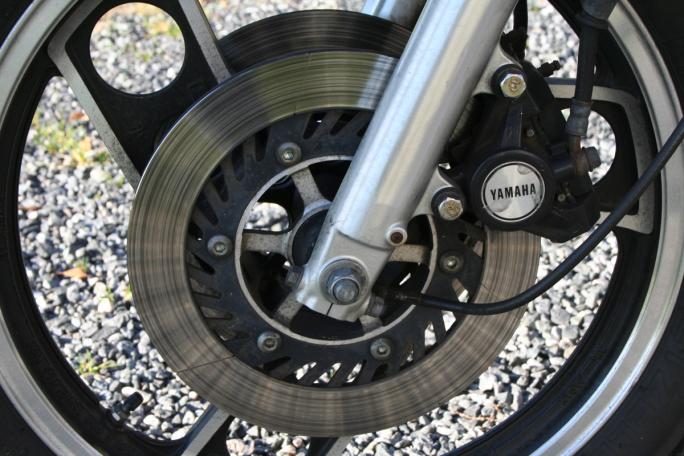
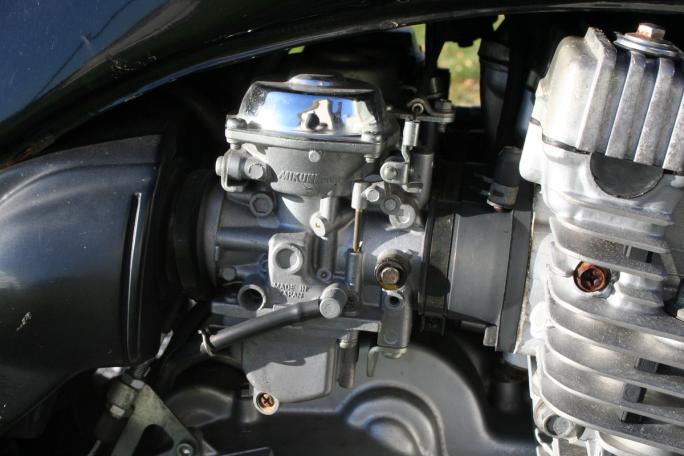
From 853 to 891 cc. In 1984, Yamaha gave the model an ever-so-small upgrade. The engine displacement was increased from 853 cc to 891 cc, and the carburetors were also increased, from 35 mm to 36 mm. The fairing that in the first year was mounted firmly on the handlebars was now modified and attached to the frame. The first solution was, in short, not stable, and negatively affected the handling. As mentioned, Yamaha corrected this one weakness, and thus the XJ900 appeared relatively complete.
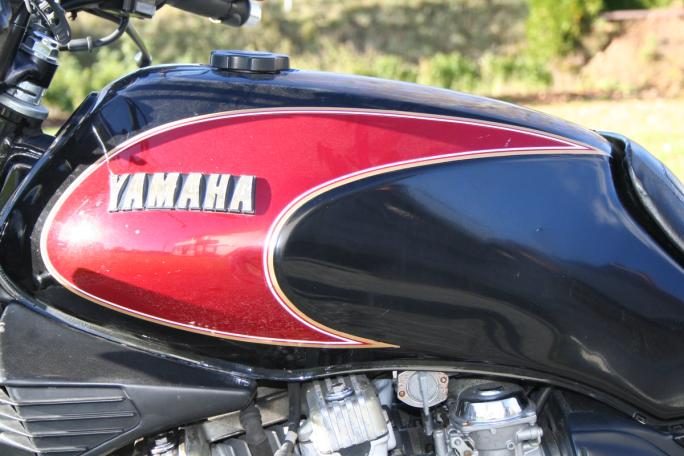
Increased competition and product development. Product development and improvement soon became part of everyday life at the four major Japanese motorcycle manufacturers. The competition between the four intensified as early as the early 1970s, and did not diminish in the 1980s. The Japanese motorcycles produced in the 1970s were known for their high speed, while their handling characteristics were not entirely in proportion to their performance. Undersized round tube frames that were not very torsionally stable, razor-thin fork legs and a lack of braking effect were not unknown. The manufacturers took this seriously at the beginning of the 1980s, and the XJ900 was no exception. The chassis was made stronger, precisely to match the power and performance. Yamaha's sports tourers received many compliments in contemporary tests, and an original 1983 model is a bike that offers both classic status and, not least, a lot of riding pleasure for a reasonable price.
- Technical data Yamaha XJ900, 1983 model:
- Engine: 4-cylinder 4-stroke, DOHC, air-cooled
- Displacement: 853 cc
- Bore x stroke: 67 x 60.5 mm
- Compression: 9.2:1
- Torque: 75.5 Nm at 7000 rpm.
- Ignition: CDI
- Power: 97 hp at 9000 rpm.
- No. of gears: 5
- Front tires: 100/90 x 18
- Rear tire: 120/90 x 18
- Front brakes: dual discs 254mm
- Rear brake: single disc 254 mm
- Tank: 22 liters
- Weight: 244 kg
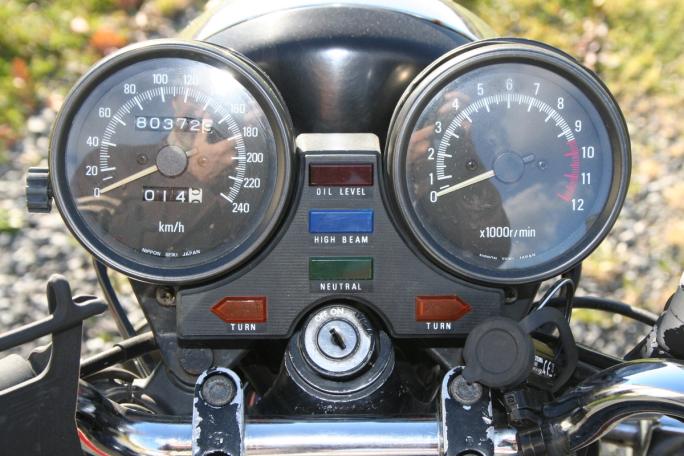
- Top speed: 216 km/h
