
Tempo Transport 30C
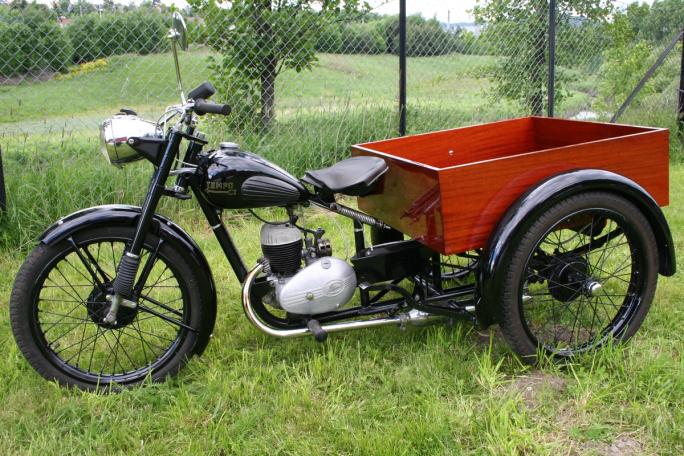
Tempo's heyday was definitely the post-war period, and the small 2-strokes laid their blue-smoking blanket over a nation that was rebuilding after five tough years of German occupation. The mopeds and motorcycles from Sandnes put the nation on wheels.
The rebuilding of the nation in 1945 coincided with a new phase in Norwegian industrialization, and Norwegian society was moving steadily towards greater centralization. Towns and cities grew, and urbanization accelerated. Many took jobs in industry, while often running the farm they were born on.
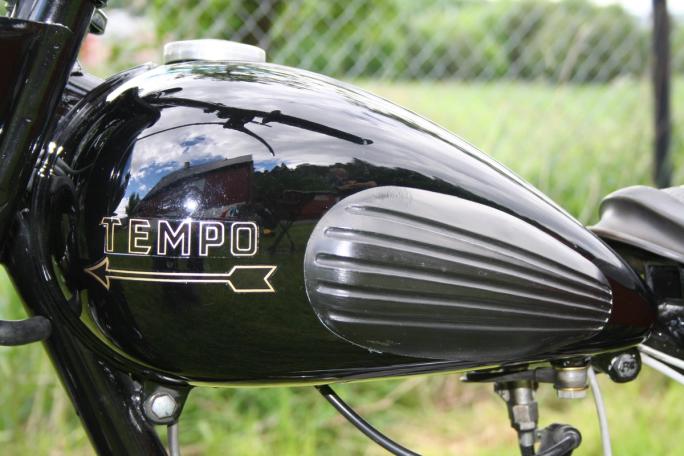
This meant commuting for many, and since car sales were subject to restrictions, the motorcycle came to play a significant role as a means of transportation. Tempo in various sizes and variants was a typical feature of the time both in the cities and in the countryside.
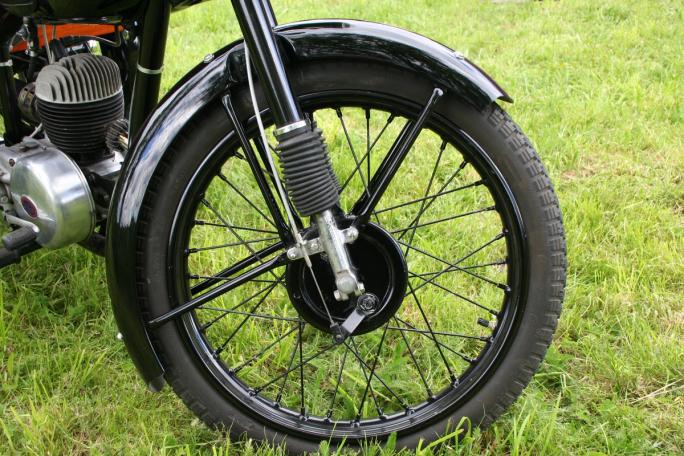
Tempo met the transportation needs of many, while also making models that could transport goods. These were sold under the name “Transport” or, as they were often colloquially called, “tricycle”.
Many companies used Tempo Transport to transport goods to customers, pick up smaller packages from large freight forwarders, or to transport milk pails from the farm to the dairy. In other words, a wide range of applications.
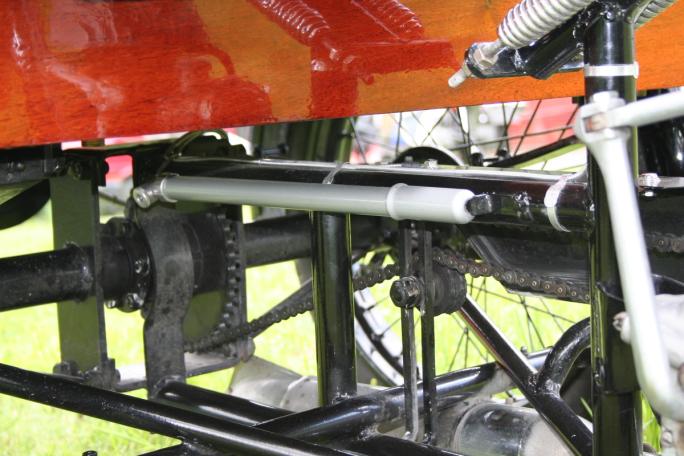
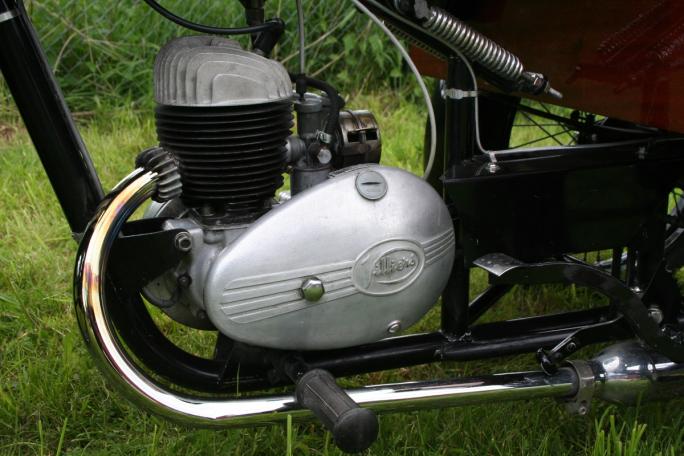
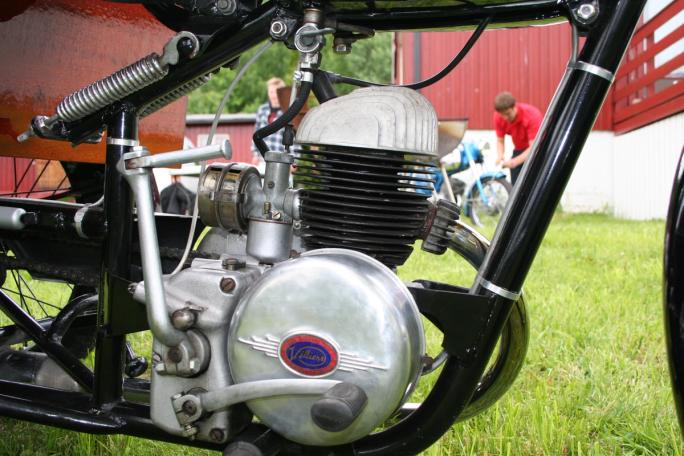
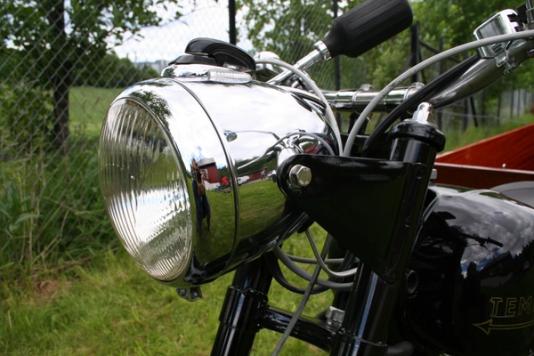
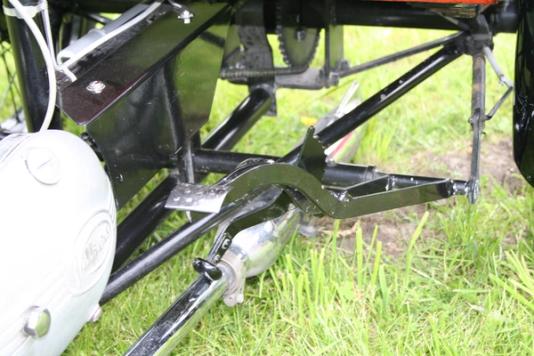
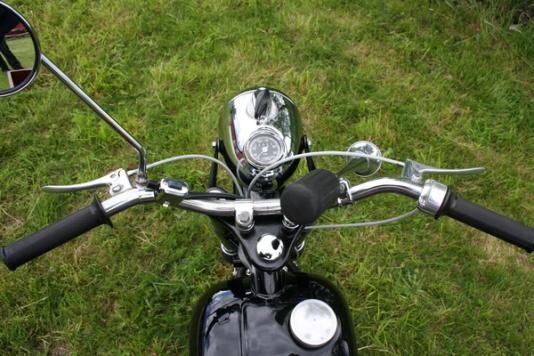
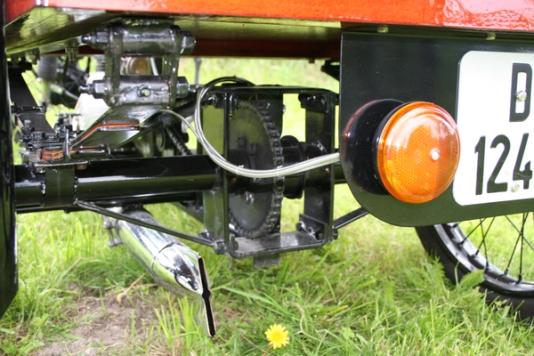
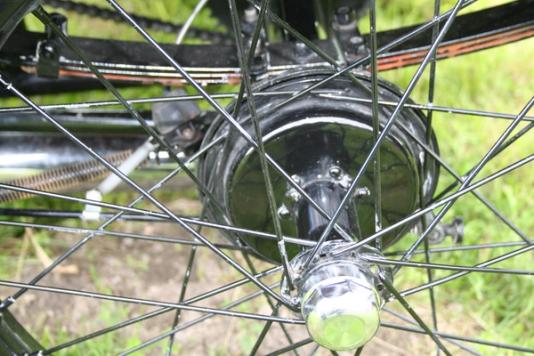
The 3-wheeler I am discussing in this article has the model designation 30C, and is equipped with a 150 cc Villiers engine. The power transmission to the rear wheel is via a chain to the rear axle.
The model 30C was equipped with 3 gears and had a payload of 75 kg. The model was also available in a smaller version, the 125 cc model 12D. This allowed Øglænd to offer a Transport model that could be driven on both types of license.
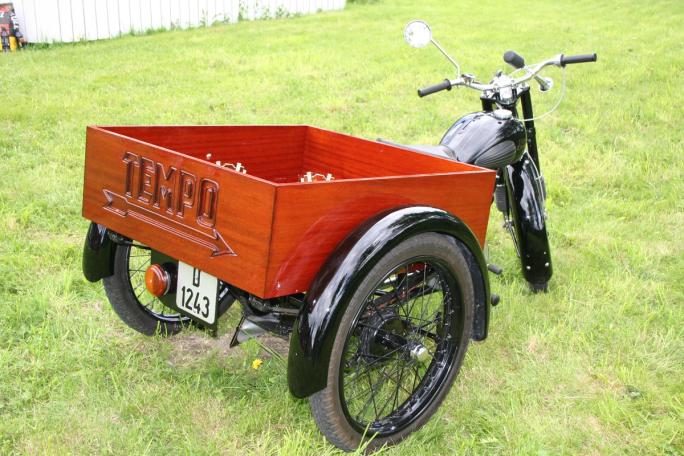
Model 30C was produced in about 500 copies from 1953-1959. Tempo also offered several Transport models, including the Transport 150 with Sachs engine, and Tempo Elektro. The latter was equipped with a Norwegian-built 1hp electric motor, had a range of about 50 km, and a top speed of 30 km/h. Did someone say “ahead of its time”? Performance-wise no, environmental-wise yes!
0/0