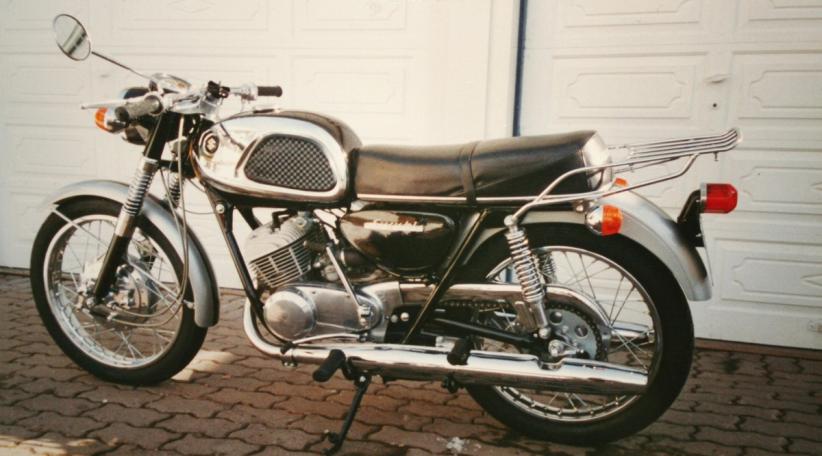
Suzuki T-20
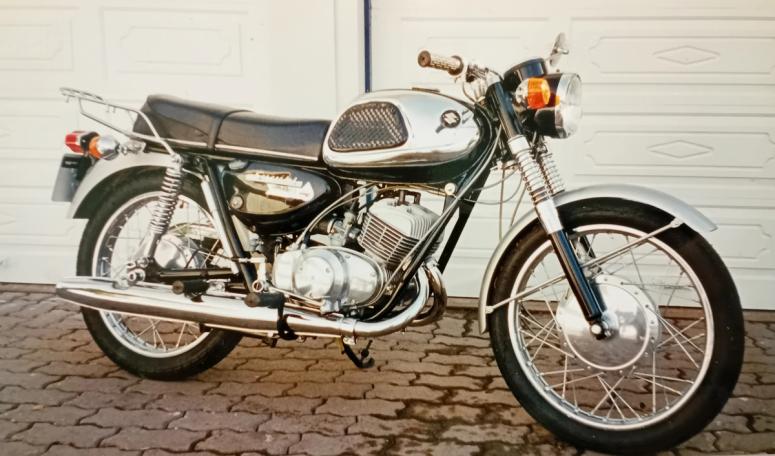
Suzuki T-20 was introduced in the mid-1960s and was in production until 1968. It was also sold under other names such as the X6 Hustler in the US and the Super Six in the UK. Many consider the model to be Suzuki's breakthrough, and in England, 1,000 units were sold in the first month after launch.
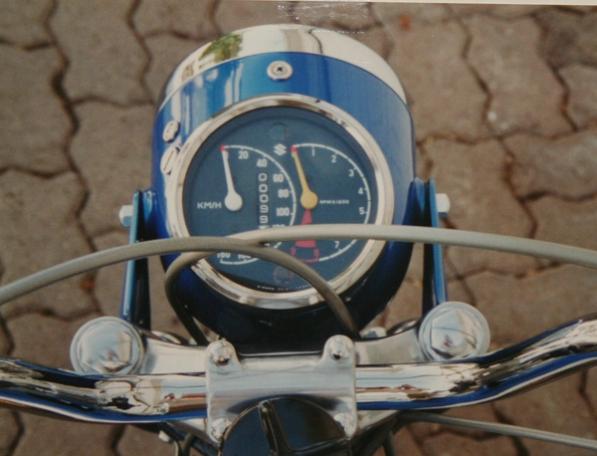
The special thing was that Suzuki put a very powerful 247 cc two-stroke parallel twin in a relatively light road bike, and combined it with a 6-speed gearbox. At the time, this was very advanced for a series-produced 250cc, and the model had performance on par with English 500cc 4-strokes.
Technical data: Suzuki T-20, 1966 model:
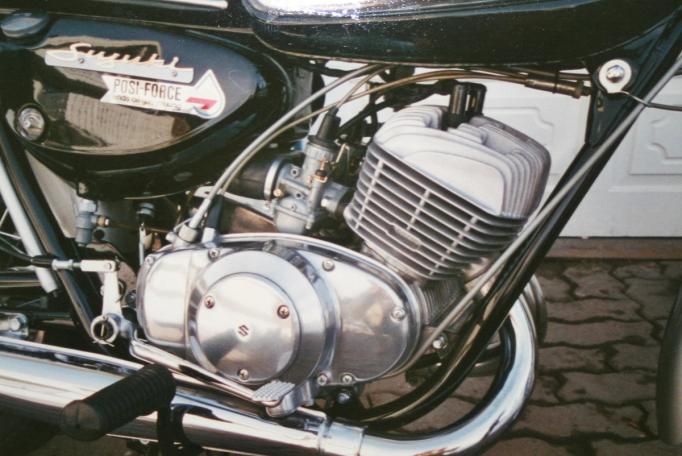
- Engine: 247 cm³, air-cooled 2-stroke twin
- Bore × stroke: 54 × 54 mm
- Effect: approx. 29 hp at 7,500 rpm
- Torque: approx. 27.5 Nm at 7,000 rpm
- Gearbox: 6-speed
- Top speed: about 150 km/h
- Dry weight: 135 kg
- Tank: 14 liters
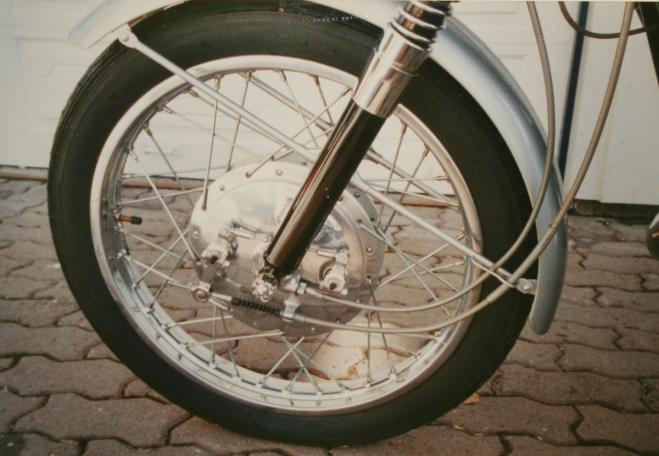
- Drum brakes front and rear
- Telescopic fork at the front and swingarm at the rear
Posi-Force. What really makes the T-20 interesting is the character of the engine. This is a typical old two-stroke that wakes up when the revs rise, and six gears allow the engine to be kept in the right working range. It was therefore surprisingly quick for a 250cc. Incidentally, Suzuki used Posi-Force automatic oil injection, the precursor to the system that later became known as Suzuki CCI.
Suzuki's breakthrough. The T-20 was the model that showed that Suzuki could make motorcycles that were both fast, technically advanced and reliable, and not just cheap alternatives. Production is said to have reached over 5,000 units per month at its peak. The T-20 was also available in a Street Scrambler version with the model designation TC-250
Collector's itemToday it is interesting both as a collector's item and as an important part of Suzuki's history. However, original examples can be challenging to restore, partly because some engine and gearbox parts are not as readily available as parts for later Suzuki models.