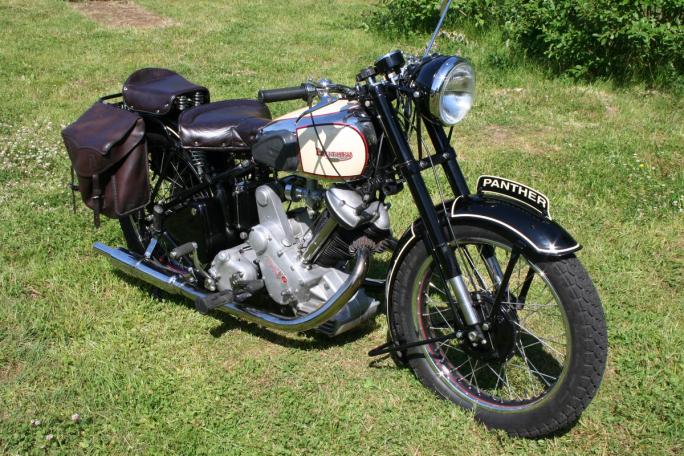
Panther Model 100
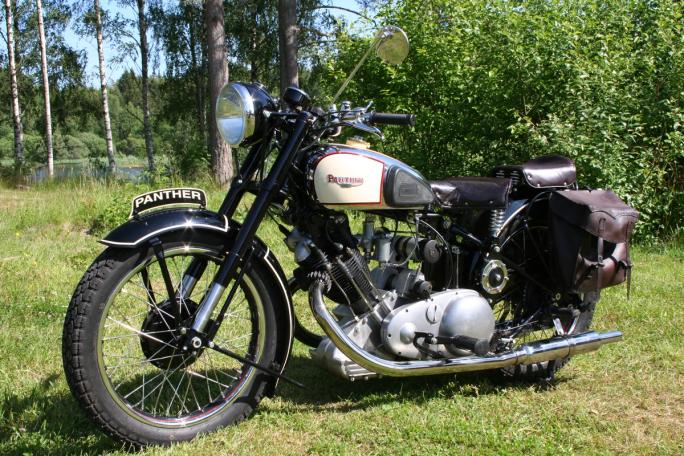
Panther model 100
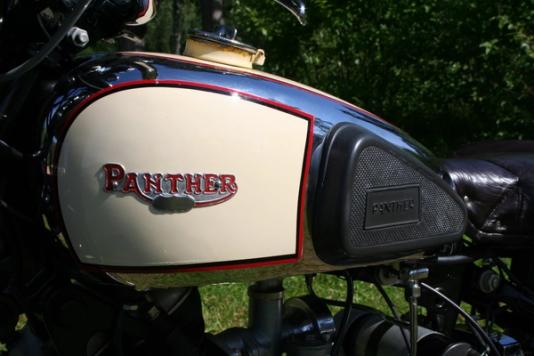
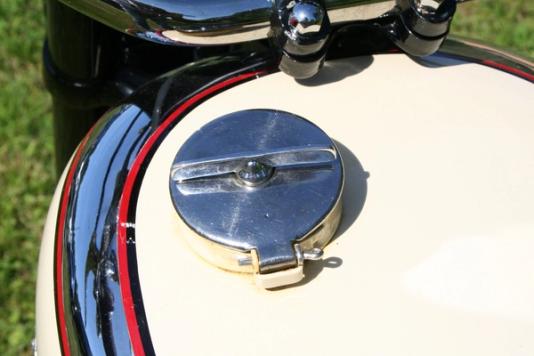
Panther sounds pretentious, and the brand used, among other things, a picture of a panther on the gas tank of several of its models. When the first model went into production in 1904, the motorcycles were called "P & M", after the initials of the founders Phelon & Moore.
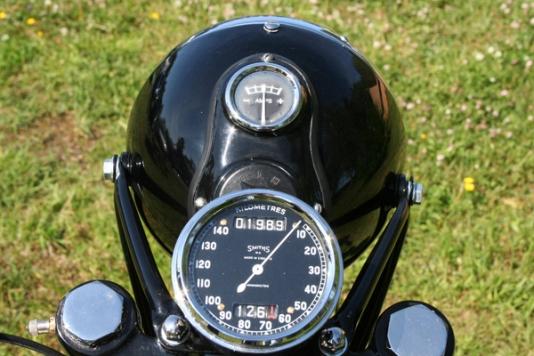
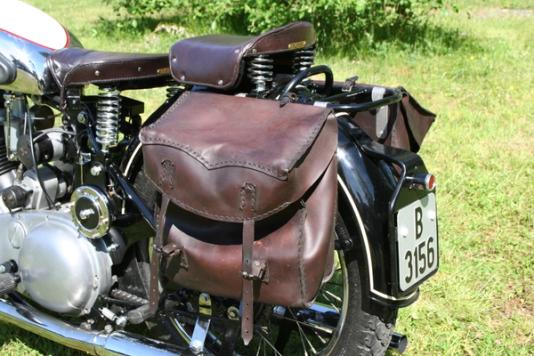
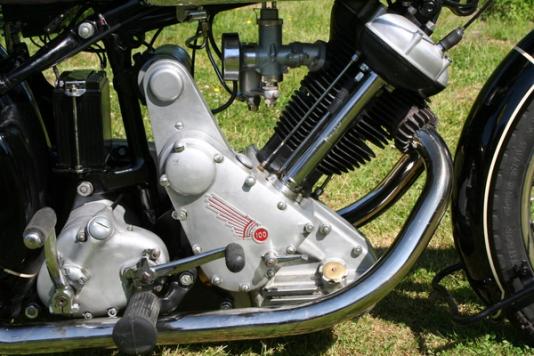
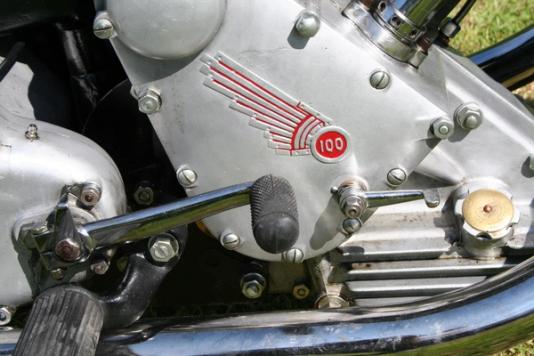
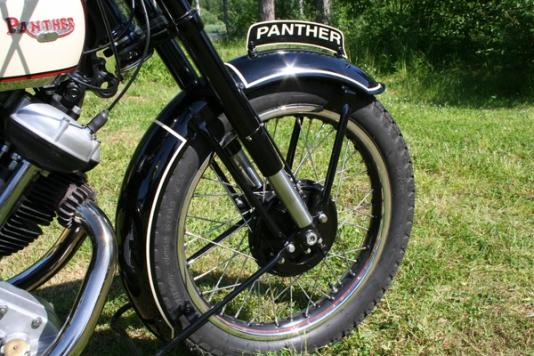
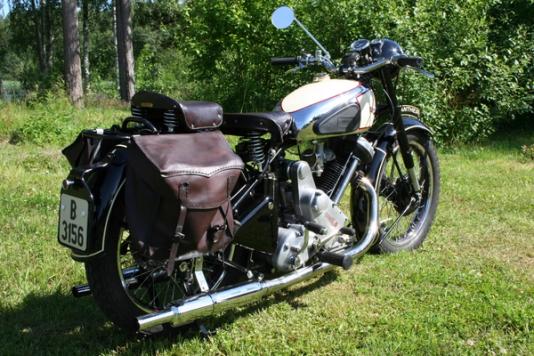
0/0
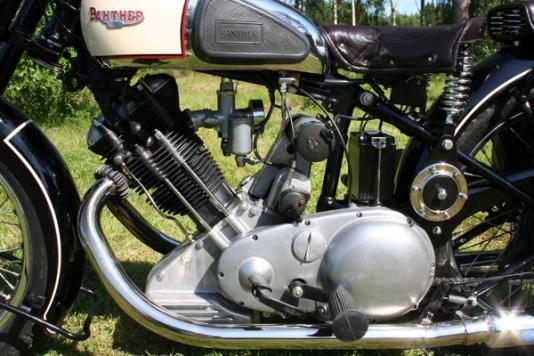
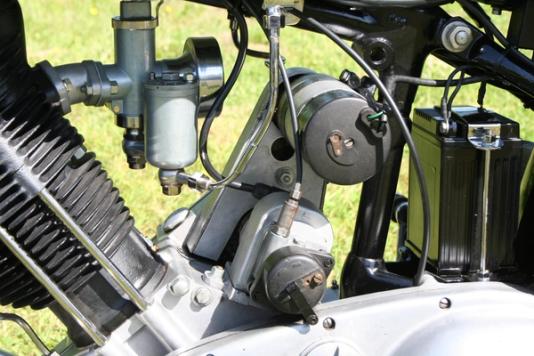
When Joah Carver Phelon entered into partnership with Richard Moore in 1903, Phelon had already built his first motorcycle. This was produced in collaboration with Harry Rayner in 1901 under the model name "P & R". Characteristic of this model, and almost all models from P & M and Panther, was the "slooper construction" of the engine. The forward-leaning cylinder formed part of the frame. The factory, which was located in Cleckheaton in the famous Yorkshire district, started with small and light models.
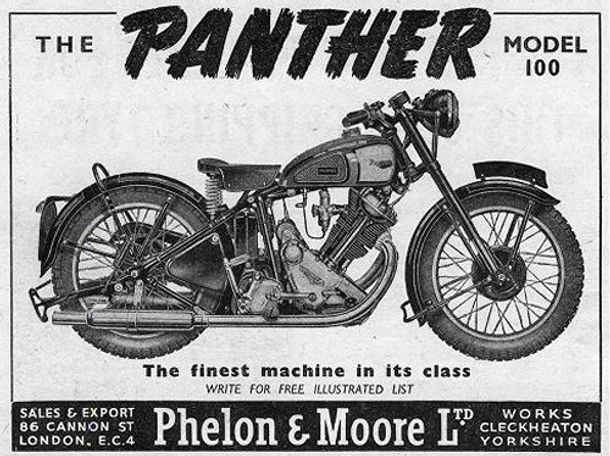
Larger and faster models
After World War I, Panther's motorcycles became larger and more powerful, and models with a displacement of between 500 and 600 cc could now be found in Panther's sales brochures. Panther's model range was equally limited compared to other British manufacturers. Small and medium-sized 2-strokes, and heavy 4-strokes, but in a limited range, were typical until production was shut down towards the end of the 1960s. Panther, like the other English motorcycle manufacturers, experienced an almost impossible challenge when Japanese bikes entered the market in the 1960s. Another challenger to the British motorcycle manufacturers was the car, and especially the Mini, a car that for many came to replace the motorcycle.
Technical data Panther Model 100, 1949 model:
Engine: 1-cylinder 4-stroke
Displacement: 598 cc
Power: 23 hp
Front tires: 3.25 x 19
Rear tire: 3.50 x 19
Weight: 160 kg
Top speed: 113 km/h