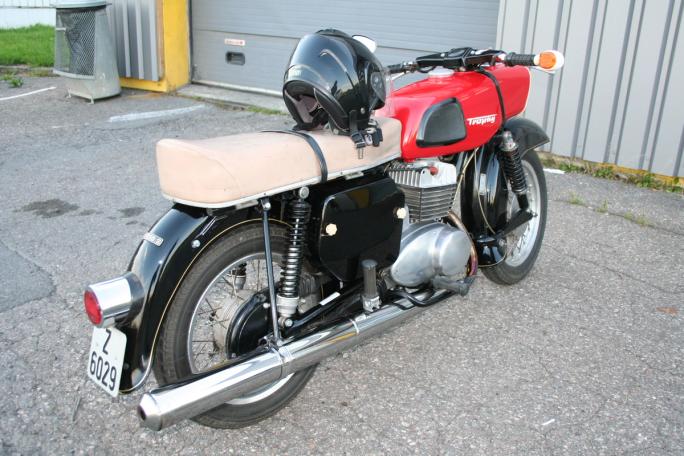
MZ ES250/2Trophy
MZ , or Motorraderwerke Zschopau as the abbreviation stands for, is in many ways an icon of the Cold War and divided Europe. The brand is not only a bit quirky in terms of design, it also has a unique history with roots dating back to the post-World War I era.
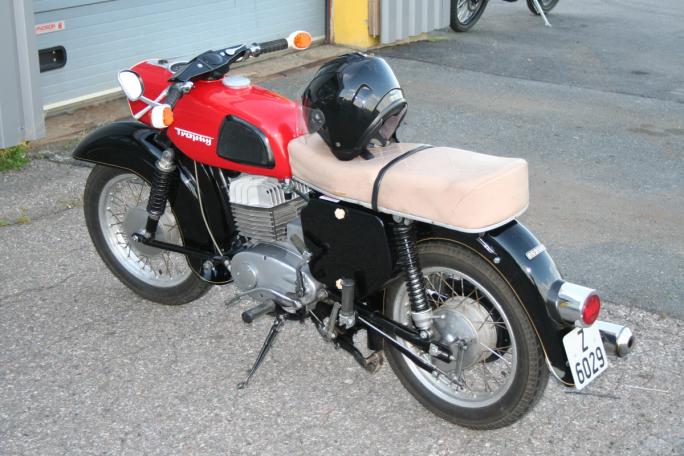
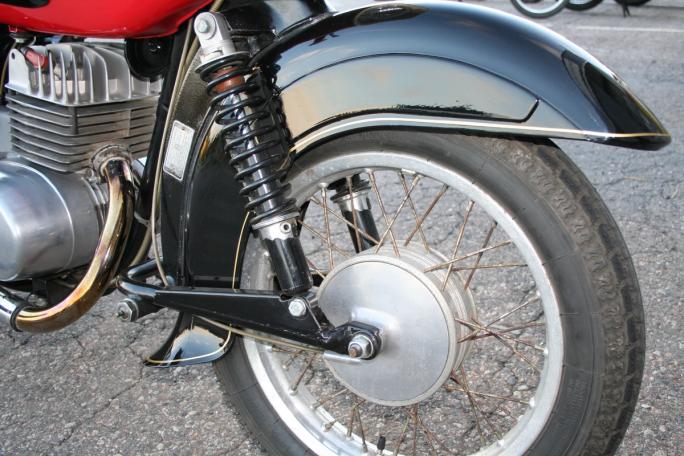
MZ ES250/2 Trophy, 1969 model.
The history of MZ actually starts with the establishment of DKW in 1919. The German brand was once one of the world's largest motorcycle manufacturers, but like so many others, they took a hit after World War II. A ruined economy and a bombed-out factory were a miserable starting point, and when Germany was divided, the remains of the premises were left inside the Soviet zone.
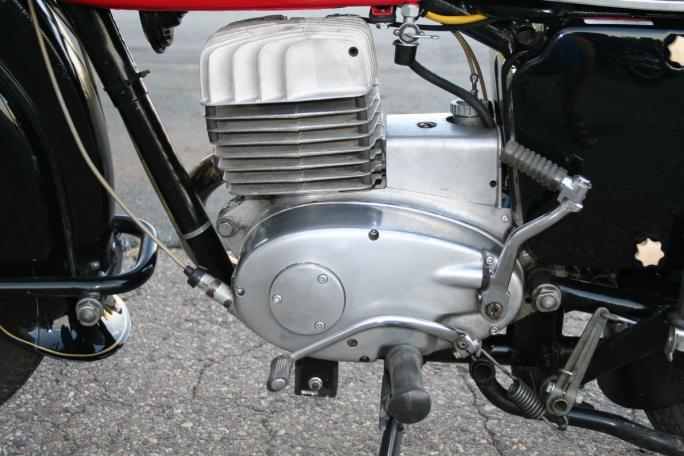
What remained of the means of production in old Germany was dismantled and moved, first to Wilischthal and in 1949 to Zschopau. Here DKW became part of IFA. At the beginning of the 1950s, the Soviet Russian planned economy began to stabilize, and motorcycle production increased in scale. A number of brands were made behind the "Iron Curtain", including MZ .
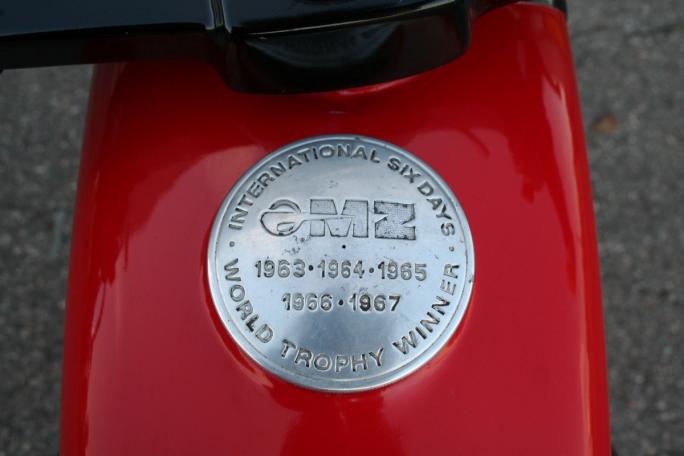
The first model with MZ emblem on the gas tank came in 1953. Production mainly consisted of 1-cylinder 2-strokes of 125, 175 and 250 cubic centimeters.
MZ was thriving behind the Iron Curtain, exporting bikes to the free world, until the brand disappeared and was reborn as MuZ in 1993, with Yamaha engines as the powertrain. The Iron Curtain was now gone, and renewal was a must if they were to avoid ending up on the scrap heap of history!