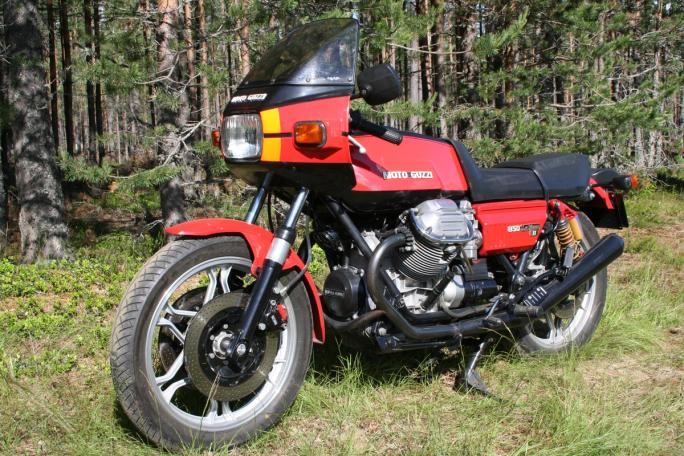
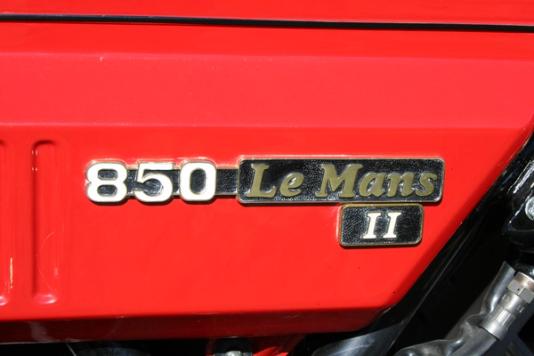
Moto Guzzi 850 Le Mans II
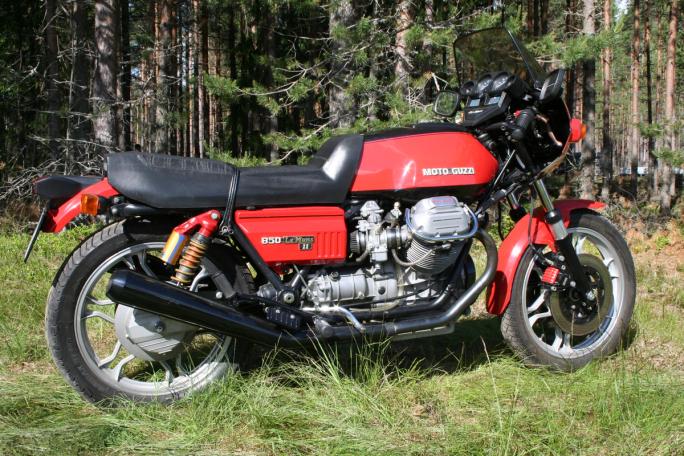
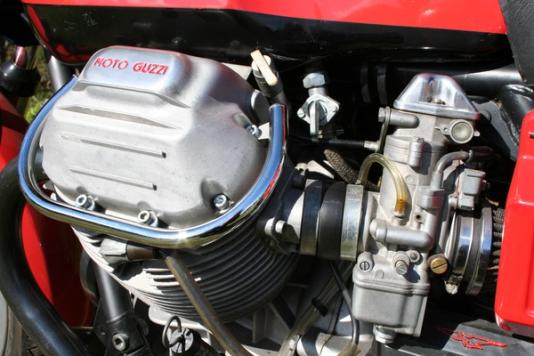
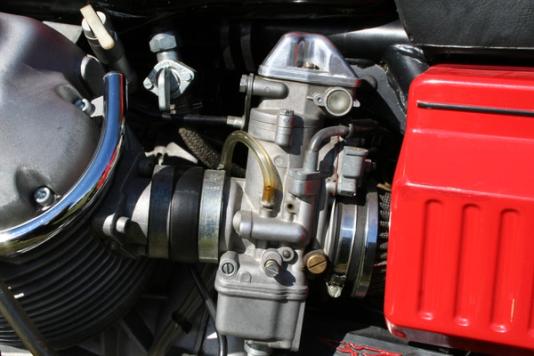
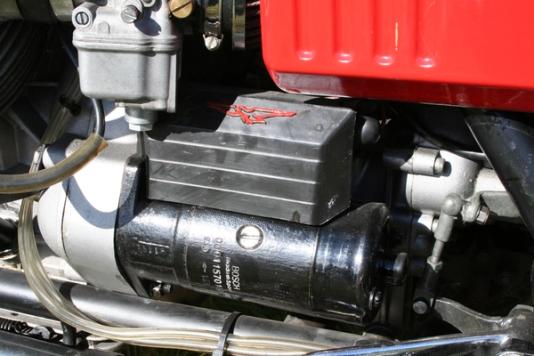
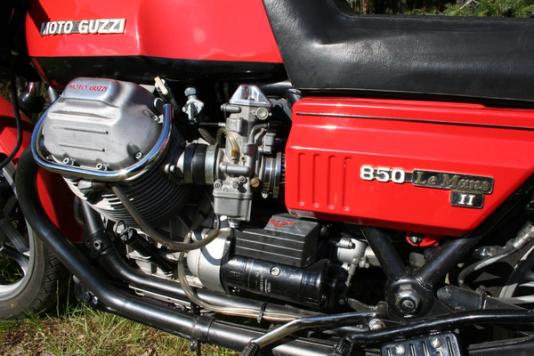
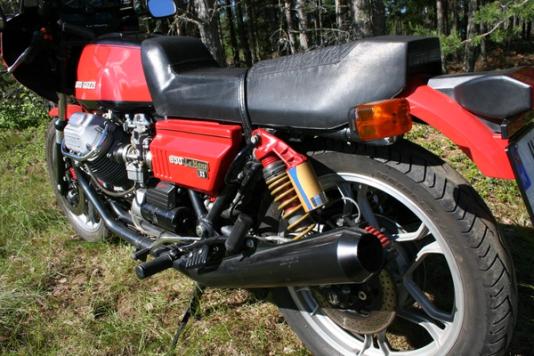
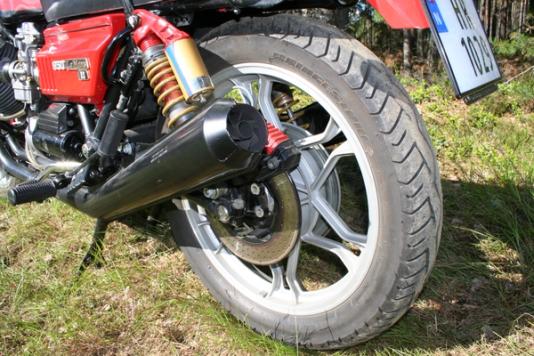
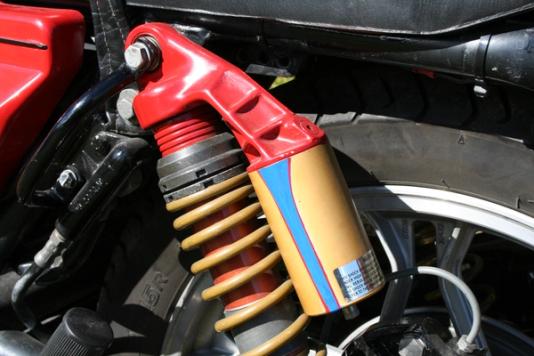
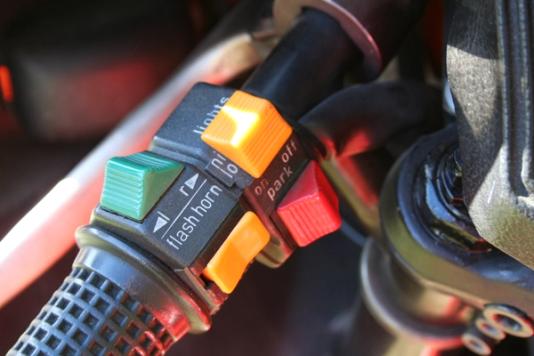
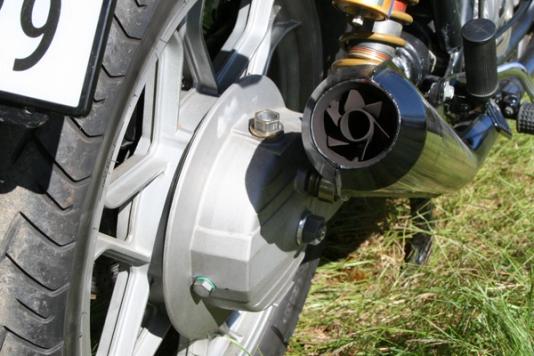
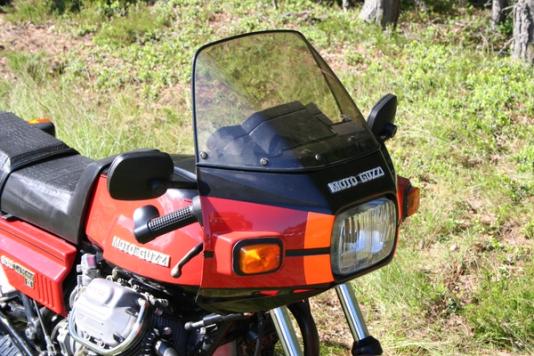
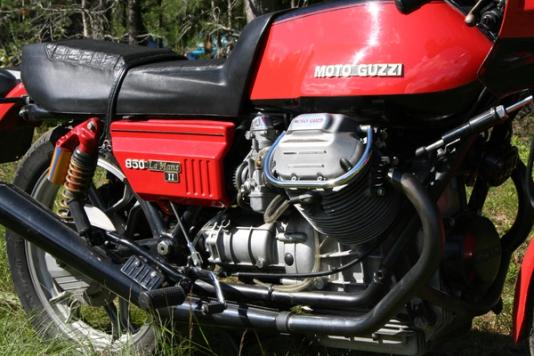
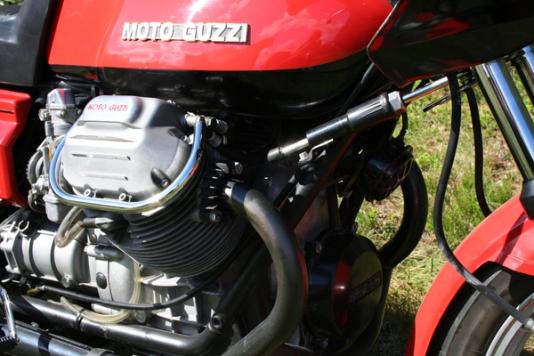
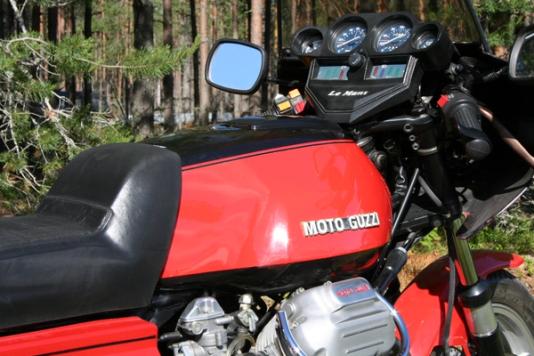
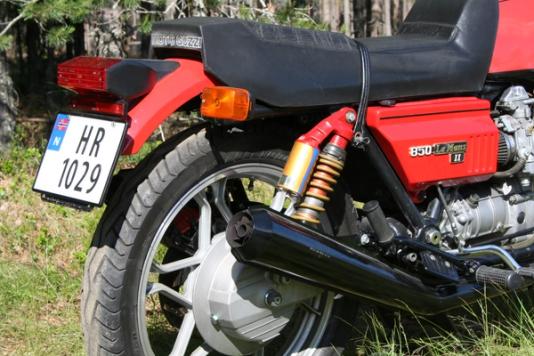
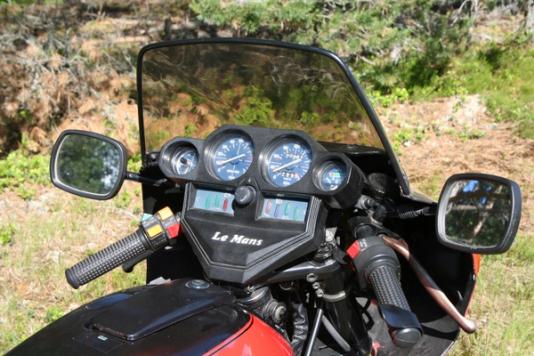
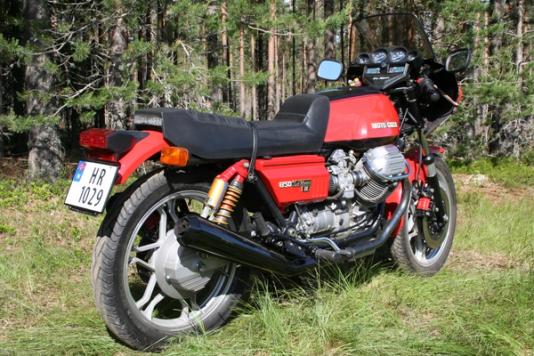
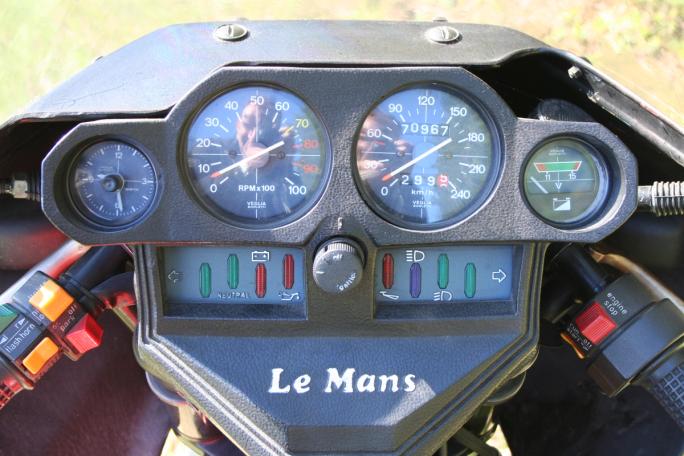
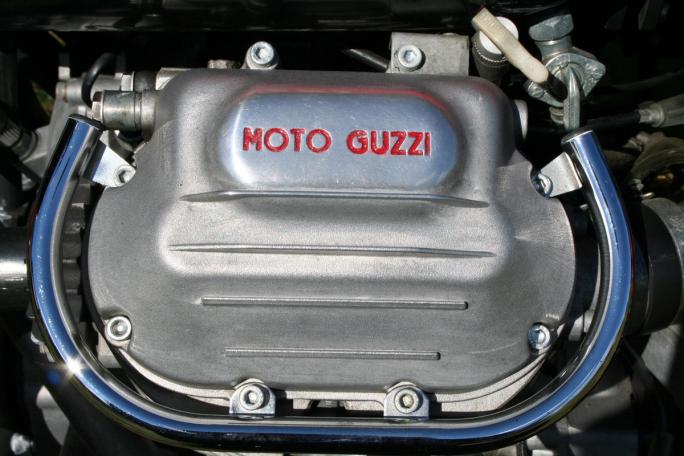
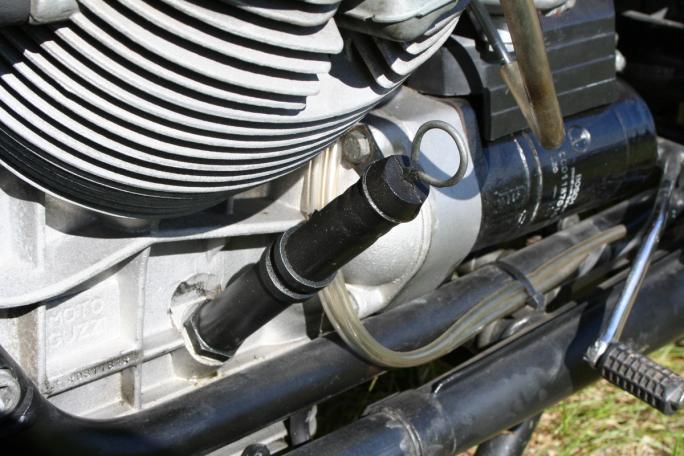
Moto Guzzi 850 Le Mans II, 1980 model
The Italian lakes north of Milan offer incredibly beautiful scenery, and if you drive along the eastern side of Lago di Como you will eventually reach the small town of Mandello del Lario. Here, at the foot of the Alps, the first model of Moto Guzzi , the Normale 500, was built in 1921.
0/0
Production of Moto Guzzi began with the first prototype, the GP, in 1920. The two letters that are naturally associated with Grand Prix, however, were the initials of the surnames of the two founders of the brand, Carlo Guzzi and Giorgio Parodi. Parodi, who believed that the name could be confused with Grand Prix, was therefore the driving force behind a name change, and when the first production model was ready in 1921, it bore the name Moto Guzzi on the gas tank.
Mc with V-8
Over the years, Moto Guzzi has made a number of spectacular machines. The first models often had horizontal cylinders. Later came the legendary "transverse V-twin", an engine that gave a low center of gravity in long, narrow machines. These engines quickly became known for their strength, especially from the bottom of the rev range. Moto Guzzi also made a racing model equipped with a V8 engine, a motorcycle that attracted deserved attention. The 498.48 cc engine, therefore, had eight small cylinders, and managed a speed of just over 12,000 revolutions. This was towards the end of the 1950s, and showed some of the sophistication among Italian manufacturers. The factory quickly became known for investing in technically advanced solutions, and the motorcycles from Mandello del Lario were sporty in design. Moto Guzzi was also the first motorcycle manufacturer to develop and build its own wind tunnel. This was used to produce aerodynamic fairings for the motorcycles.
Le Mans
At the beginning of the 1970s, Guzzi realized that if they were to keep up with the competition, they had to make a sporty motorcycle. With the models “750-S3” and not least “V7-Sport”, they entered the field with potent objects. However, for Guzzi, these two models were only a stepping stone on the way to the real sports star, the bike with the ambitious model name, “Le Mans”. The first Le Mans model was shown at the Milan fair in November 1975, and went into production in 1976. The engine was 850 cubic centimeters and the power and top speed were stated at 71 hp and 203 km/h. The bike was long, low and very long-legged in its engine characteristics. The Le Mans 850 showed driving characteristics that placed Guzzi at the very top of the sports segment. The Japanese manufacturers had little to offer, except for quality and finish in terms of details.
Le Mans I, II, III and 1000.
Le Mans I was in production from 1976-1978. In the fall of 1978, Guzzi showed off its sequel, Le Mans II, at the motorcycle show in Cologne. This had a larger and more square fairing, as well as some less visible changes. In 1981, this was replaced by the upgraded Le Mans III model. This also had a number of changes, and is considered the prettiest of the three 850cc models. The fairing was smaller and sportier, and the exhaust system was in chrome. It also had a new design for the fuel tank, side covers, seat and cylinders. The last Le Mans machine came in 1984, and was called the Le Mans 1000. Guzzi had now taken the step into the "world of plastic" and the classic lines with visible chrome and steel were over. Well wrapped in a solid plastic fairing with the new 1000cc engine, whose output was stated at 86 hp at the crankshaft, this brought the rider to a whopping 225 km/h. Although many Guzzi enthusiasts consider the 1000cc to be the Model IV, the hard core of 850cc owners truly agree that Le Mans ends with the Model III.
Technical data Moto Guzzi 850 Le Mans II, 1980 model:
Engine: 90 Degree V, 2-cylinder 4-stroke, OHV.
Displacement: 844 cc
Power: 74 hp at 7700 rpm.
No. of gears: 5
Electrical system: 12 volts
Front tires: 100/90x18
Rear tires: 110/90x18
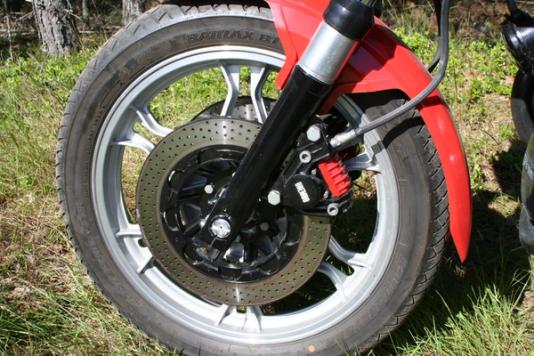
Front brakes: dual discs
Rear brakes: disc
Weight: 243 kg
Top speed: 201 km/h