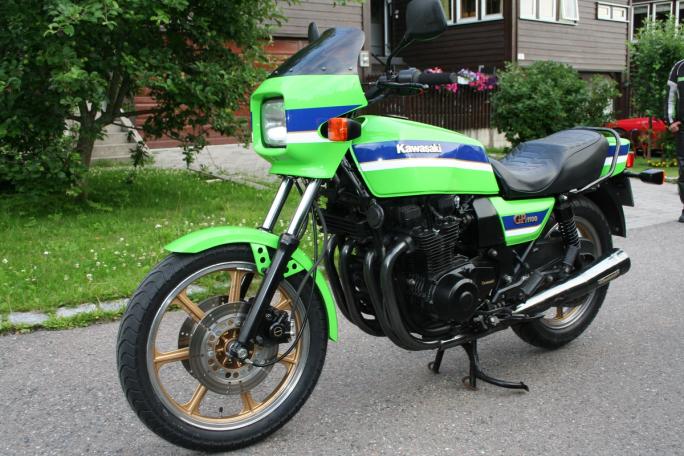
Kawasaki GPz1100
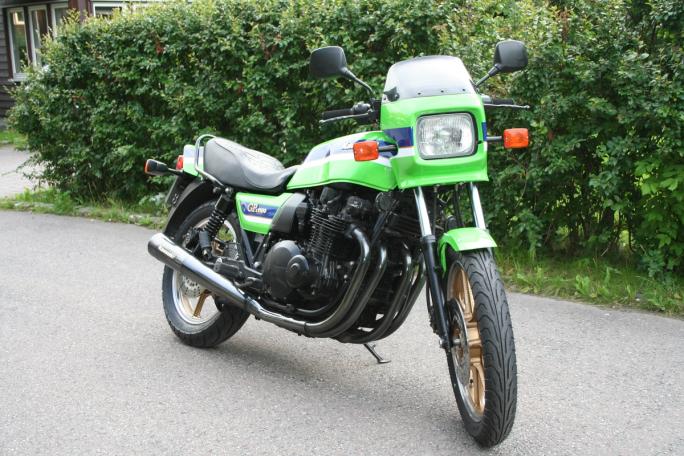
With the GPz1100, Kawasaki really let "the good times roll". Now Honda CB900F was to be parked, and a new chapter in the story of the race between the big four from Japan was written. The year was 1981, and Kawasaki was once again one step ahead of the competition.
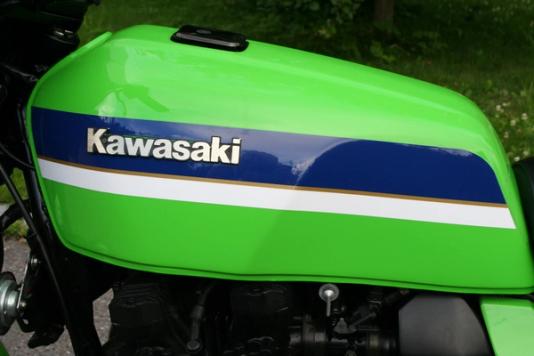
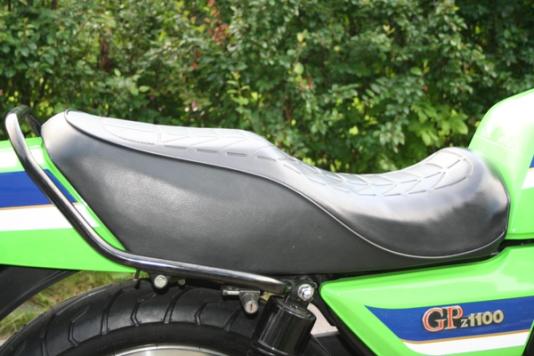
0/0
The legacy of the Z1-900 was both tough and challenging for Kawasaki to carry. When the model arrived in 1972, it crushed the Honda CB750Four on all parameters, which was also the goal. The Z1-900 eventually got its successor in the Z1000, and it was in turn replaced by the Z1000J. Then it was time for the GPz series, and here we find the 1100cc bike that would challenge, among others, the HondaCB900F, Suzuki GSX1100 and Yamaha XS11000.
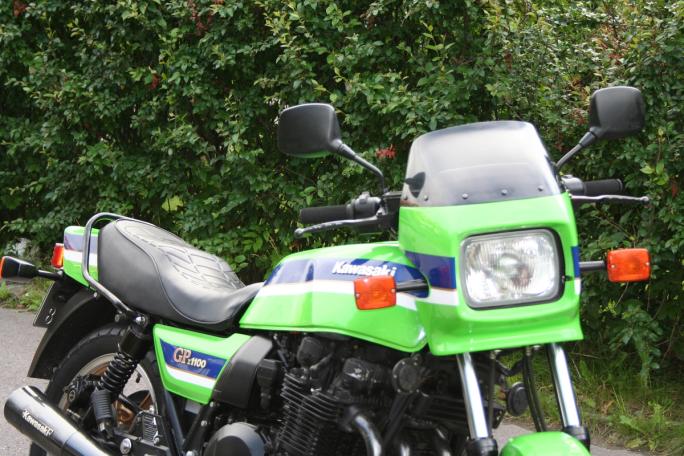
Digital Fuel Injection
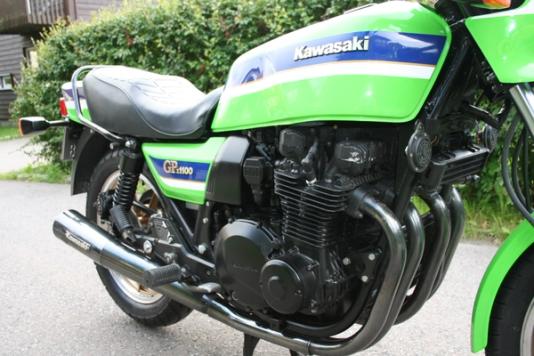
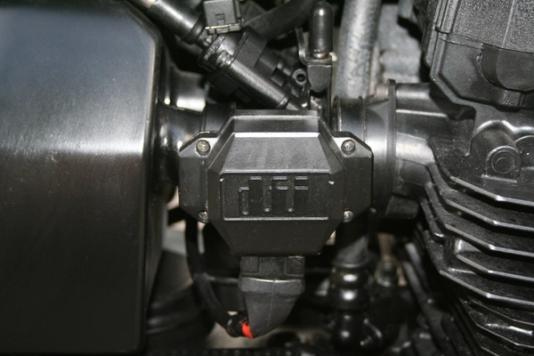
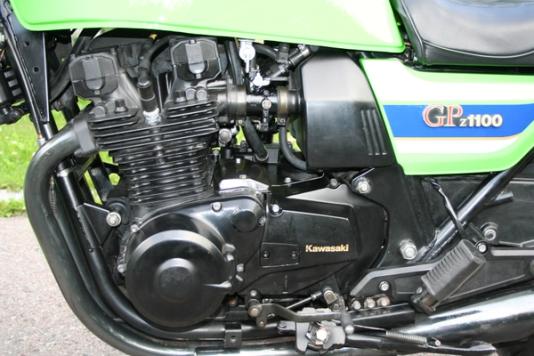
With 1100 cc as a starting point, Kawasaki set out to leave behind its three competitors from the same island. Thus, the displacement was in place, and now all that remained was to fill the combustion chambers in an efficient way to ensure attractive engine power. Kawasaki did this by showing the way into the future in terms of technology, and the GPZ1100 was one of the first series-produced motorcycles in the world to have electronic fuel injection, referred to as Dfi. The technology, which was developed by Bosch and used by Nissan, was tested by Kawasaki as early as 1980 on the Z1000H model. It was more efficient than carburetors, and was now used on the GPz1100. This ensured an output of 108 hp, which in turn ensured that the speedometer needle, on a tight wire, did not stop until 225 km/h.
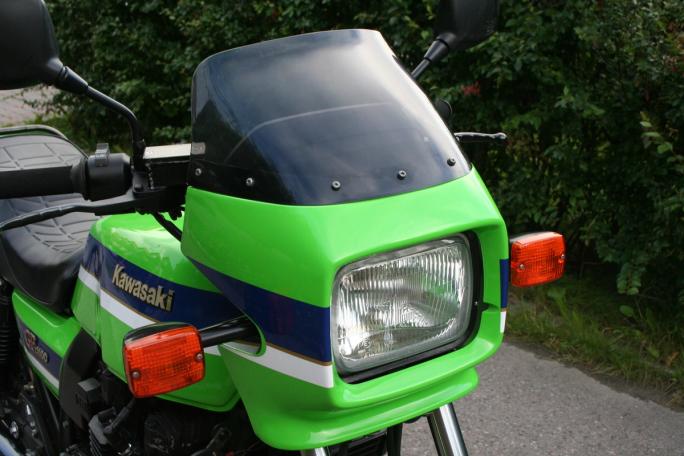
GPz in development
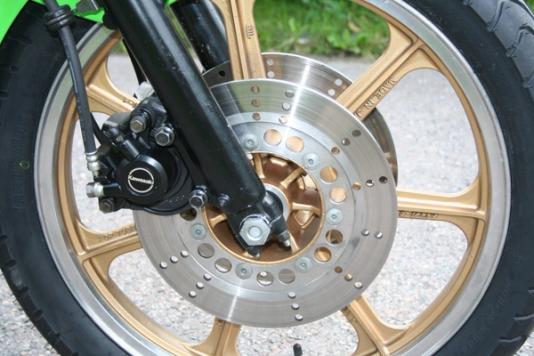
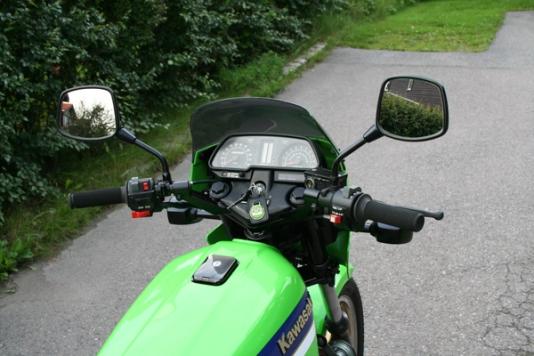
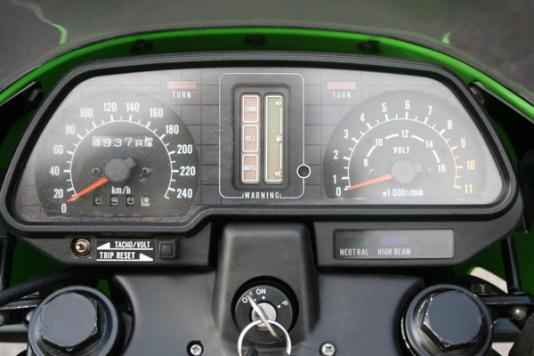
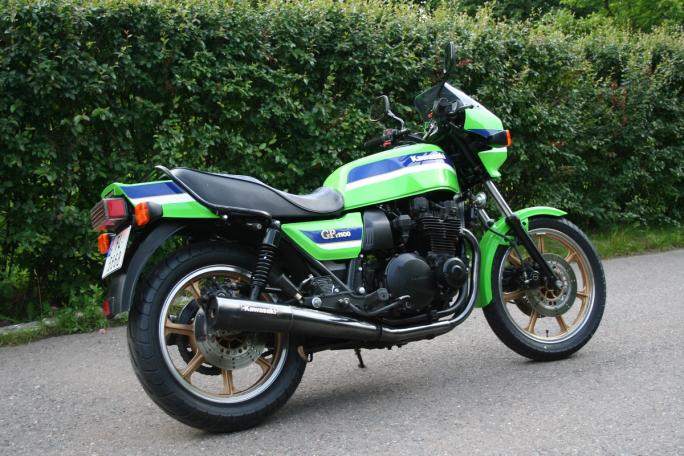
The first version of the GPz1100 came in 1981, and was given the model designation B1. This had much in common with Kawasaki Z1000J, but with some reinforcements in the chassis. In 1982, the B2 came with the first upgrades which included, among other things, a handlebar cover, LCD lights on the instrument panel, better damping, an upgraded fuel injection system, and tires from Dunlop instead of Bridgestone .
Uni-track and anti-dive
In 1983, the GPz1100 came in a completely new package in the form of the model with the designation A-1. Here we are talking about more than a small makeover. The design was completely new, and the model received modern shock absorber technology with uni-track at the rear and anti-dive at the front. The fairing was larger and more aerodynamic, and both the fuel tank, side covers and fastback were redesigned in such a way that they were visually connected. The engine was also refreshed, and the performance was now 120 hp.
Outcompeted by its own 900-cubic meter
1984 is a landmark year in Kawasaki's motorcycle production. This year saw the release of the GPZ900R, and the model became world-famous for its speed in the movie "Top Gun" (1986) with Tom Cruise in the saddle. Now everyone wanted the new water-cooled superbike, and the last version of the GPz1100, the A-2, was phased out in favor of the 900cc, the model that took Kawasaki past the magical 140 mph limit, and which once again lived up to Kawasaki 's slogan that you should "Let the good times roll".