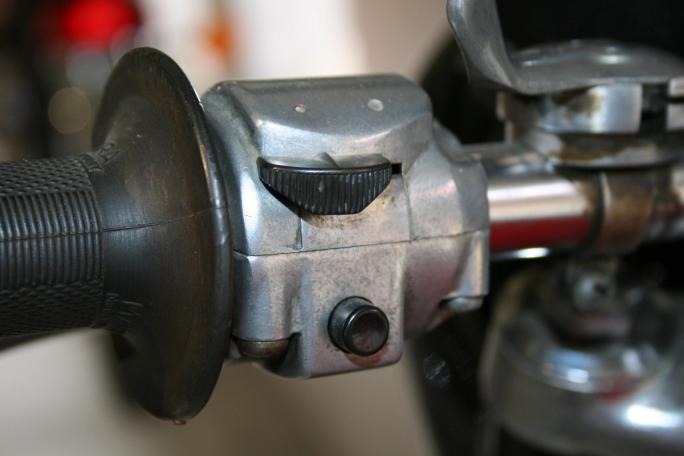
Kawasaki 250 A1 Samurai
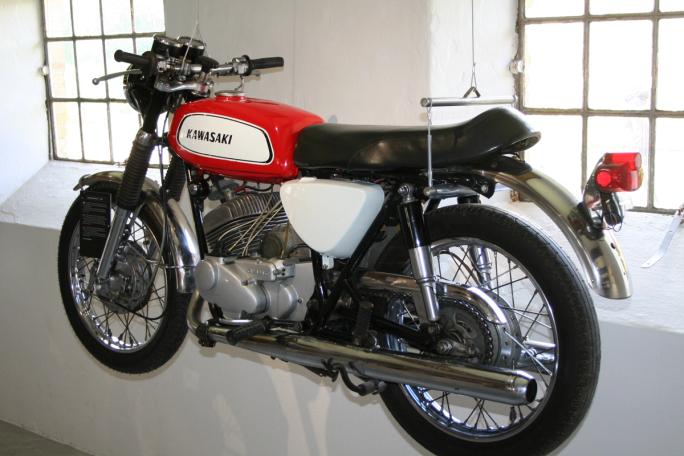
Among the smaller Kawasaki models that went on sale around the mid-1960s, we find the 2-stroke with the martial-sounding name "Samurai." Without getting too caught up in metaphors and funny puns, I still dare to see the model as a "sword" against the models of its competitors, especially the European motorcycle manufacturers.
The small 2-stroke was directly instrumental in outcompeting the traditional motorcycle brands from Germany and England, and Kawasaki swung the "Samurai Sword" hard and brutally in the battle for motorcycle customers.
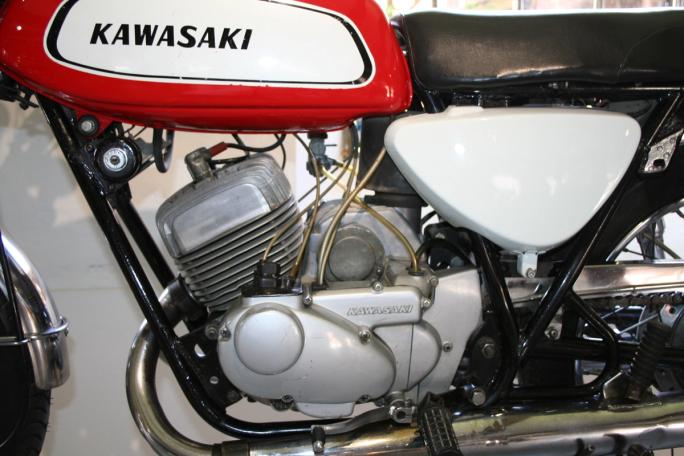
With the A1 Samurai, Kawasaki took a serious step onto the international motorcycle scene. It must be said that Kawasaki's own 4-stroke W1-650 was both bigger and more powerful on paper, but compared to its competitors it was too slow and cumbersome to ride.
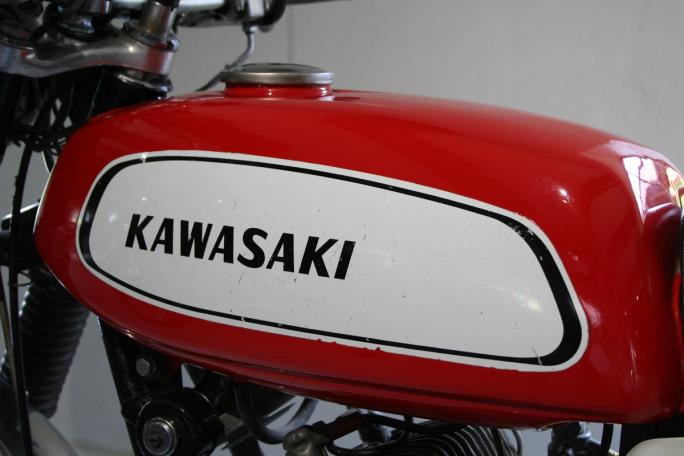
Another drawback of the W1-650 was that it looked a lot like BSA's twin A7. This was no coincidence, however, as Kawasaki had its sights set on the English models when designing the W1-650.
Meguro
Kawasaki's acquisition of Meguro meant that they took over a portfolio of models that were too "rear-heavy" in terms of both power and design. Kawasaki now badly needed a new model that was faster and easier to ride to gain a foothold in the largest market, the USA. Here the A1 Samurai came to play an important role.
Honda already had a solid foothold with the Benly, and the "entry ticket" for Kawasaki was thus a small 2-stroke. The public's attention was captured through the marketing of the small 250cc.
Tight wire through Texas
In 1966, Kawasaki engineers took a prototype of the A1 over to the United States. There, American road racer Larry Beall test-drove the bike from Oklahoma, through Texas and into New Mexico. The bike proved to be lightning fast, easy to ride and reliable, and Kawasaki decided to put the A1 Samurai into production just months after the test run.
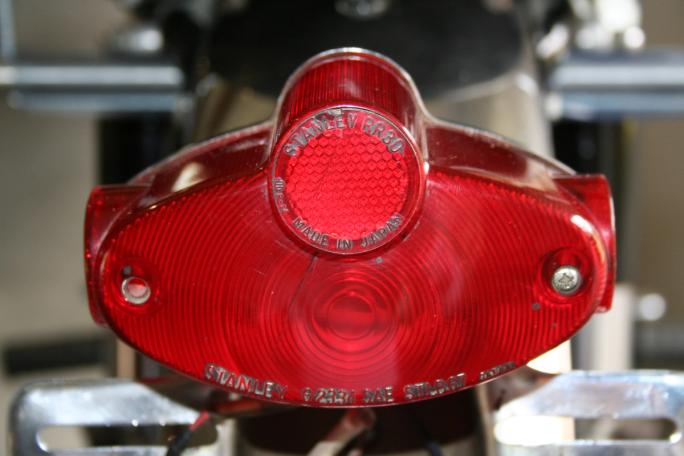
The combination of low weight, high performance and sporty design caught on with the younger generation of motorcycle riders, and Kawasakis easily outpaced their English challengers. What could a heavy, slow and oil-leaking 4-stroke really do against an easy-to-ride, lightning-fast 2-stroke that was also reliable? Nada! Thus, Kawasaki was on the rise and ahead.
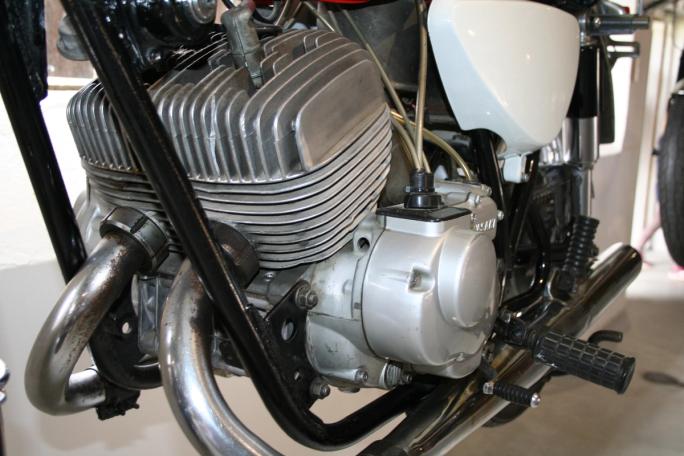
Kawasaki on its way to the top
By the beginning of the 1970s, Kawasaki , helped by the Samurai A1, its successor A7, and not least the triple H1-500 Mach III , was establishing itself with a reputation as a manufacturer of the fastest motorcycles. At that time, just like today, motorcycles were largely about speed and excitement! On these two parameters, Kawasaki has "delivered", right from the beginning of the 1970s, and up to the present day. Because as they said in the advertising at the time; "Let the good times roll".
Technical data Kawasaki 250 A1 Samurai, 1970 model:
Engine: 2-cylinder 2-stroke
Displacement: 247 cc
Compression: 7.0:1
Power: 31 hp at 8000 rpm.
Carburetor: 2 x Mikuni VM22
Start: Kick
No. of gears: 5
Front tires: 3.00 x 18
Rear tires: 3.25 x 18
Tank: 13.5 liters
Weight: 154 kg
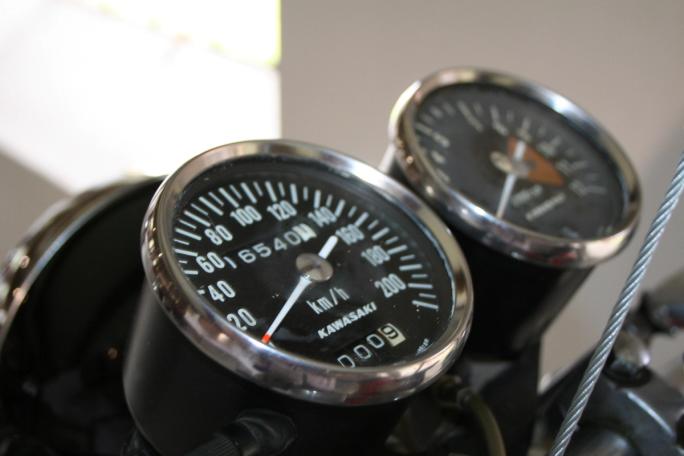
Top speed: 160 km/h