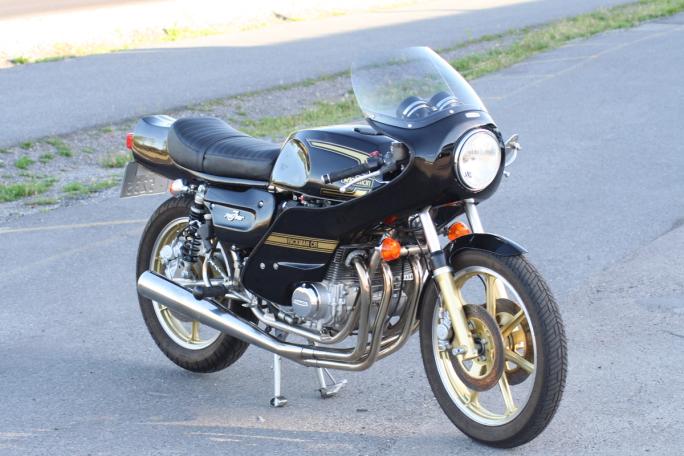
Honda CR750; The Raw Paw from Rickman
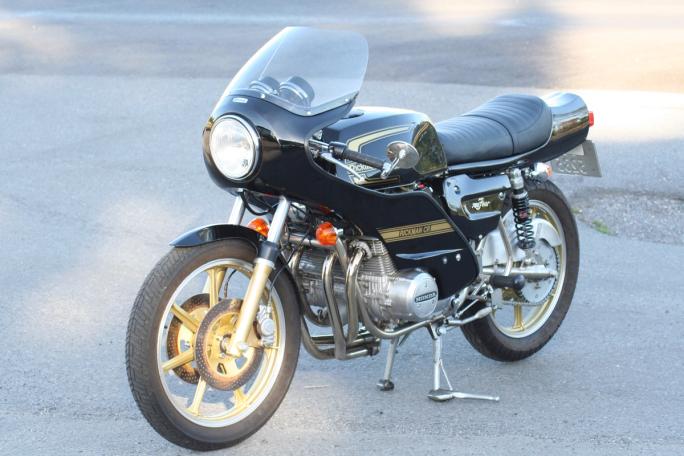
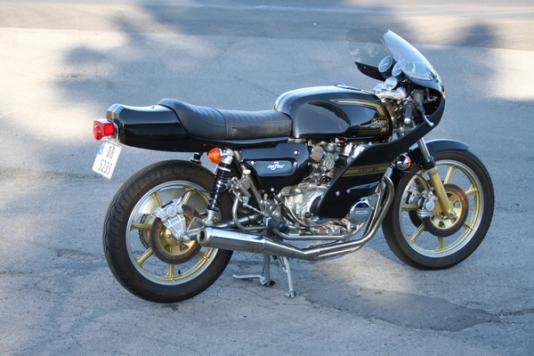
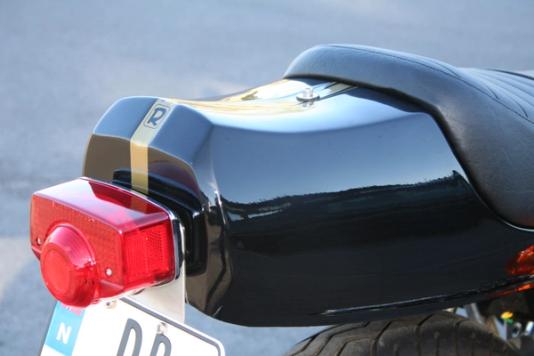
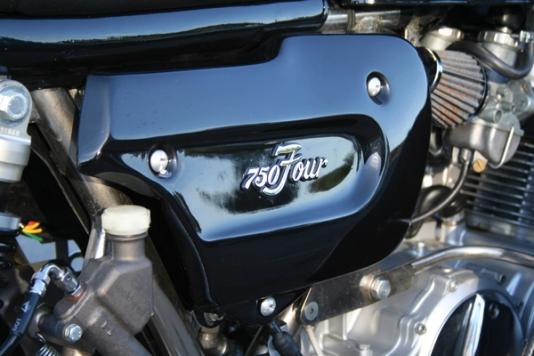
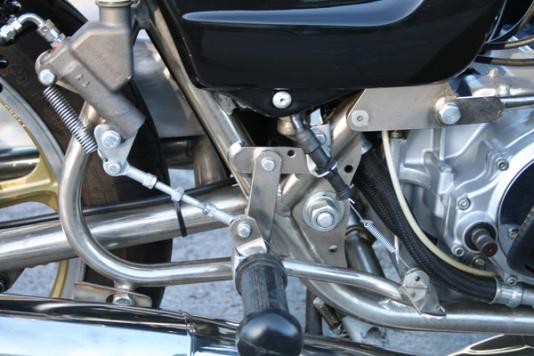
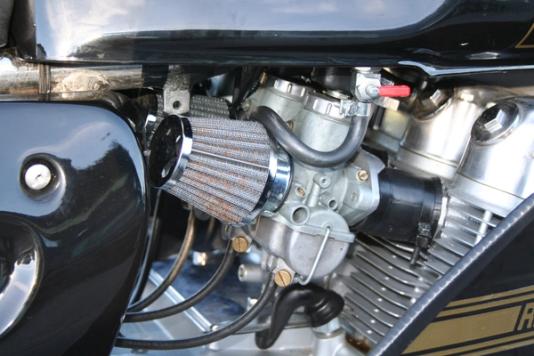
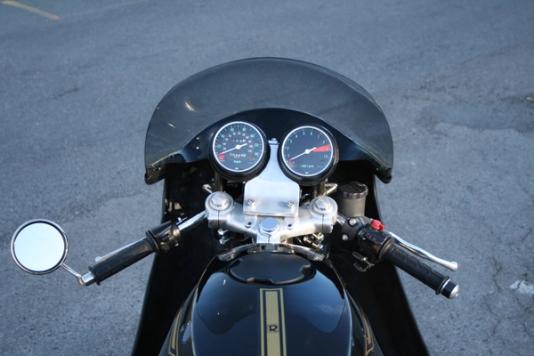
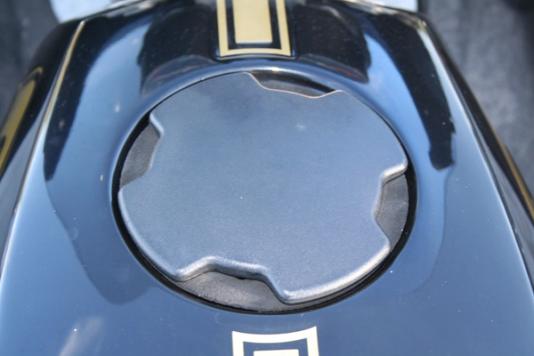
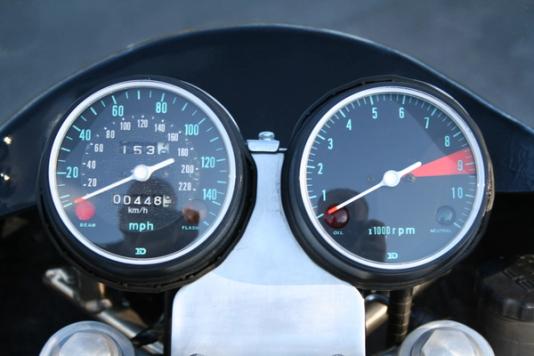
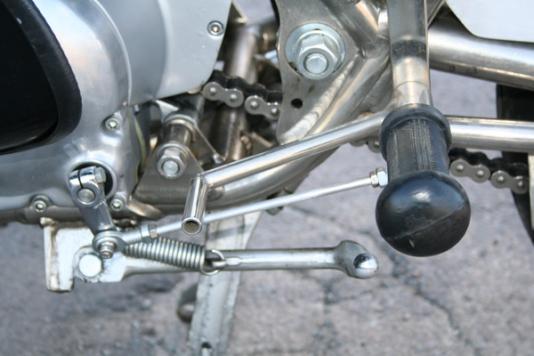
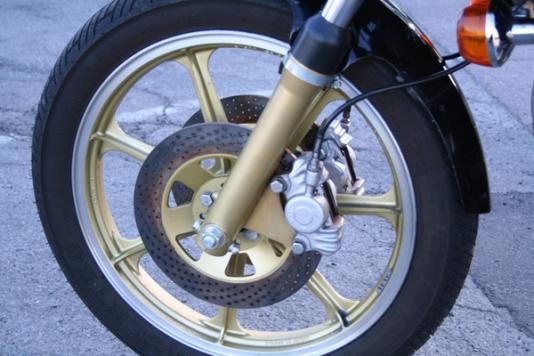
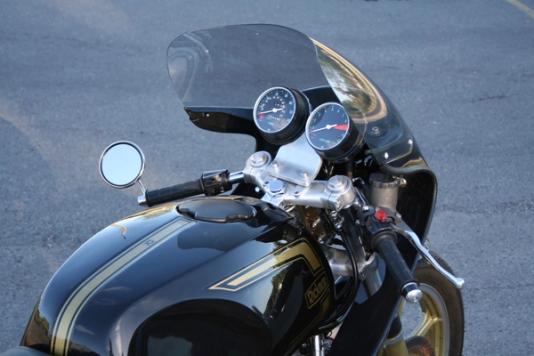
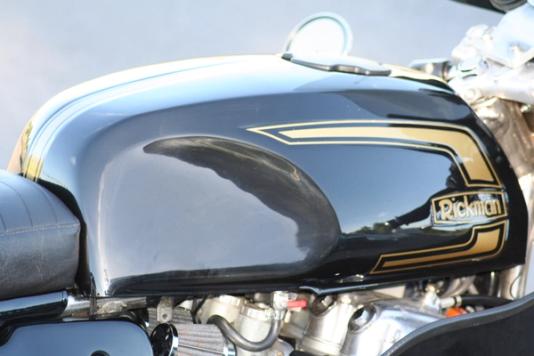
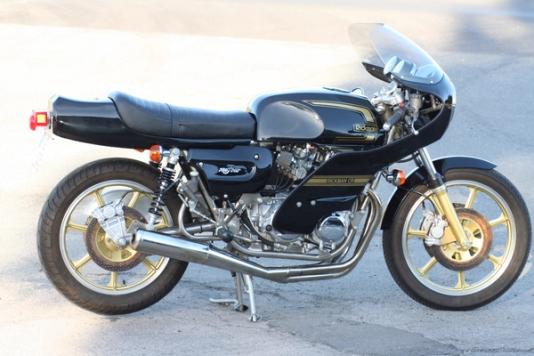
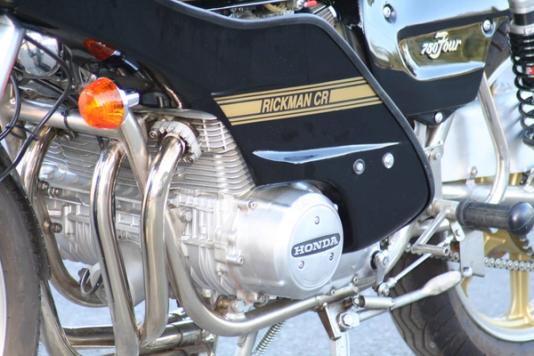
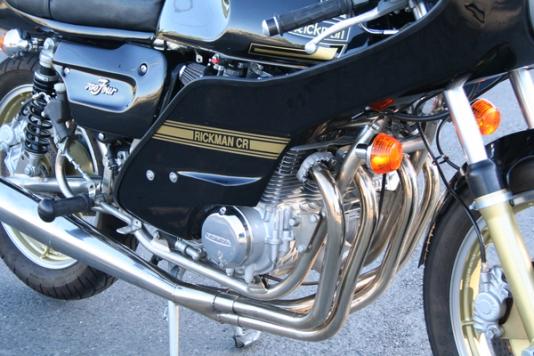
Sooner or later, most motorcycles achieve classic status, but fewer become legendary and a very few iconic. In the latter category, the iconic, the needle's eye is narrow. However, some models slip through, and one of these is Rickman's street racer Honda CR750
0/0
Supply and demand, economic cycles and market adaptation become key keywords in finding out what prompted the English brothers Don and Derek Rickman to "modify" Japanese superbikes, including Honda's classic super four, the CB750Four.
From motocross to superbikes
Towards the end of the 1960s, Rickman produced motocross bikes for the American market. In addition, the production consisted of modified versions of English motorcycles, mainly BSA and Triumph . When BSA factory closed its doors for good in 1973, the "raw material" for Rickman disappeared, and the two engineer brothers who often walked around the workshop wearing white coats, turned their attention to Japanese motorcycles. Here lay opportunities, and thus the stage was set for fierce versions of both Kawasaki Z-1 and not least Honda CB750Four. Rickman's goal was actually to produce complete motorcycles with their own engines, but for financial reasons this was not possible.
High performance Triumph
The closest Rickman came to engine production was a "high-performance" cylinder head for Triumph 650 with 4-valve technology. This led to the production of complete frame kits with brakes from Lockheed. This made Rickman the first manufacturer to supply motorcycles with disc brakes both front and rear. Rickman's racers were built for speed, and then both the chassis, often chrome-molybdenum frames, and braking capacity had to be in proportion to the performance, which Rickman did completely.
"The Queen's award to Industry"
Rickman's production of motocross bikes specifically for export to the USA was so extensive in 1974 that the company received the Queen's Award for Industrial Export. In the same year, the NVT group ( Norton - Villiers - Triumph ) collapsed, and production was reorganized and adapted to Japanese motorcycles. Fast and powerful superbikes such as Kawasaki Z1/Z900, Honda CB750F, Honda CB900F Bol d'Or and Suzuki GS1000E were now available in Rickman outfit. Faster, more rugged and more sophisticated motorcycles were scarcely available in this decade. The price was of course high, but for those with limited finances it was possible to buy just the fairing and install it yourself.
Model Replica & Design
The sports bike " Rickman Centura", often referred to as " Rickman ¾" due to its size, gave its owners a sense of performance. The fact that it was tough to look at also helped with self-confidence! At the beginning of the 1980s, the Japanese motorcycle manufacturers offered increasingly complete sports machines, and thus the market for Rickman disappeared. In 1980, the stock of parts was sold to "Model Replica & Design", and the Brothers focused on engineering in other fields. Rickman's wildest machines broke the magical 200 km/h mark without any significant problems, which was fierce in the 1970s. Today, Rickman machines are highly sought after. A small, but oh so fierce chapter in the English motorcycle industry ensured increased adrenaline levels among owners, both then and now.