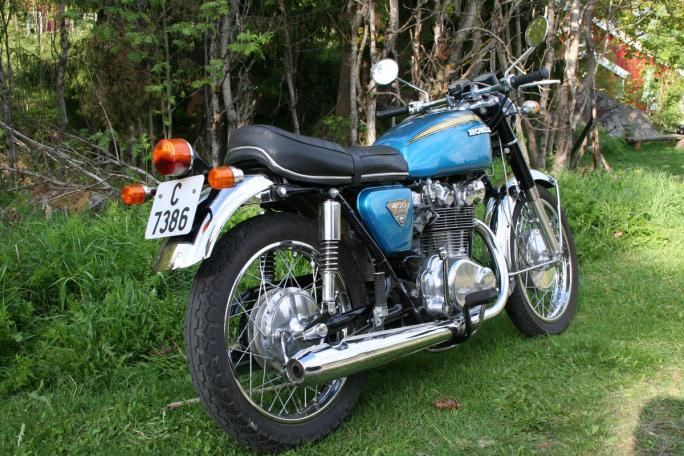
Honda CB450 DOCH
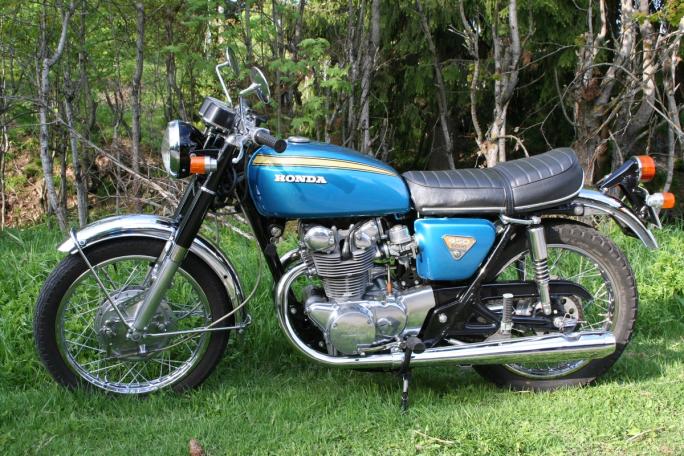
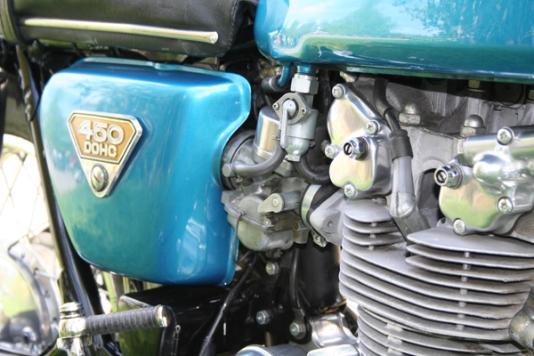
When the CB 450 was launched in 1965, it was the first large twin-cam model from Honda to be used on the road and not on a racetrack. With a displacement of 444 cc and an output of around 45 hp, the newcomer could achieve a power output of around 100 hp per liter of displacement. This was sensational, and for the European motorcycle manufacturers, Honda gradually began to appear as a slightly overly tough challenger.
0/0
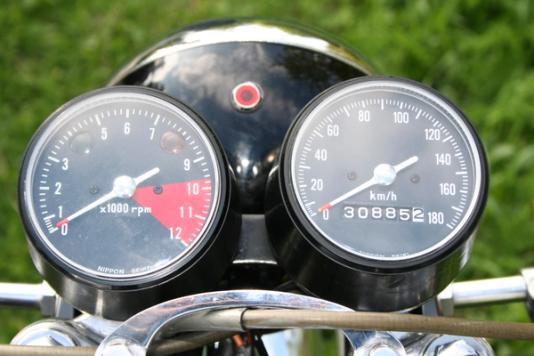
180 km/h
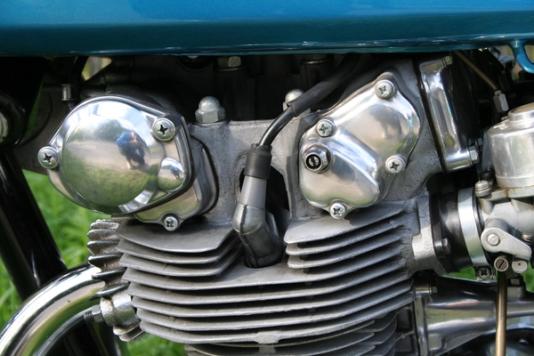
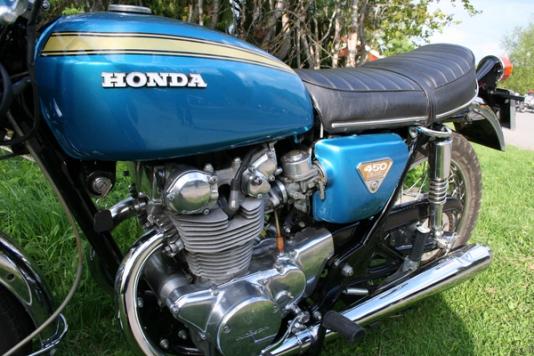
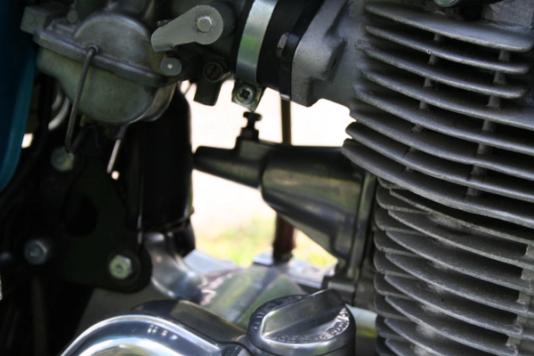
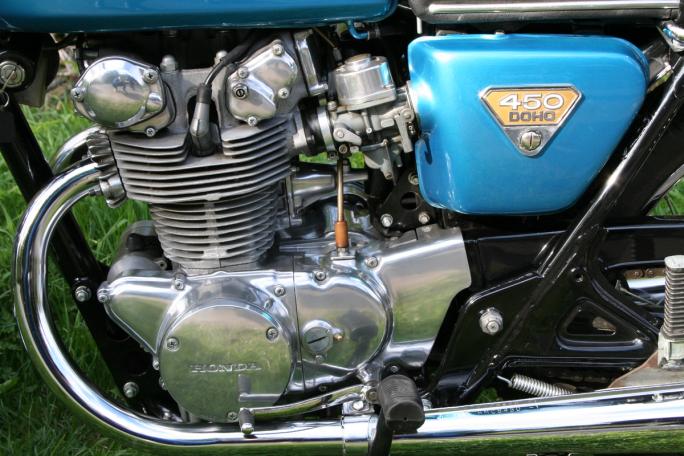
The first 450cc engine bore the explosive name "Black Bomber". The model was built for export, and was Honda's weapon in the fight for European and American motorcycle customers. With double overhead camshafts and electric start, the engine was quite sophisticated by 1965 standards. With 4 gears (5-speed gearbox from 1968), and an output of about 45 hp, this gave performance that could easily match the competitors' 650cc engines. The top speed was stated at a whopping 180 km/h, a considerable speed for a small 450 in the mid-1960s. This was noticed. Although the first years suffered from various "childhood diseases" technically, Honda continuously worked on product improvement. Weaknesses were corrected, and the model was gradually equipped with the latest technology.
Disc brake
The CB 450 was the world's first mass-produced motorcycle with disc brakes as standard. The bike quickly became a challenger to British motorcycles, which often struggled with unreliable electrical systems (Lucas was nicknamed "The inventor of darkness"), and natural oil leaks due to vertically split engine blocks. However, the Black Bomber had a vertically split block with an oil-tight oil pan and a reliable electrical system, which customers appreciated, understandably! The CB 450 was in production from 1965-1974, and was phased out in favor of the inline-four CB 500 Four.
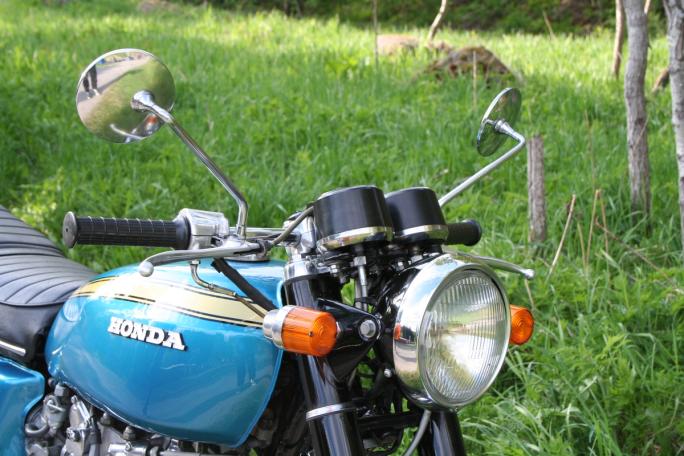
Technical data Honda CB 450 K-2, 1969 model:
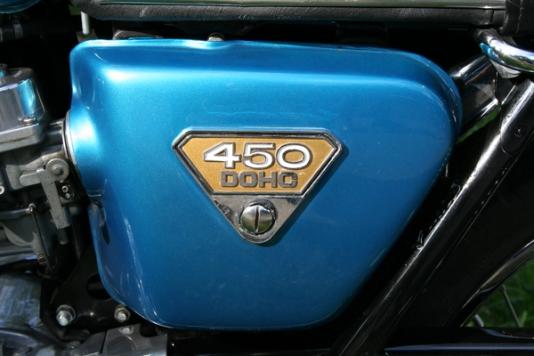
Engine: 2-cylinder 4-stroke, DOCH
Displacement: 445 cc
Power: 45 hp
No. of gears: 5
Tank: 14 liters
Weight: 197 kg
Top speed: 180 km/h