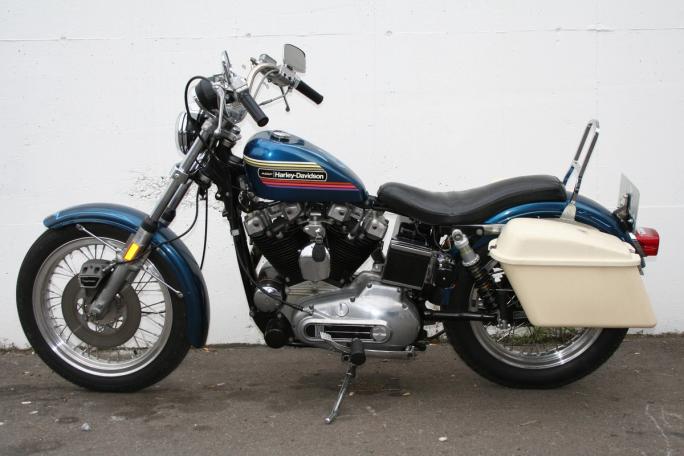
Harley's Sportster ; a look back
Harley-Davidson's best-selling model throughout the brand's long and proud history, Sportster , is paradoxically the smallest of them all. I've looked back in history and taken a closer look at the development of the XL, the model prefix on the box office success from Milwaukee.
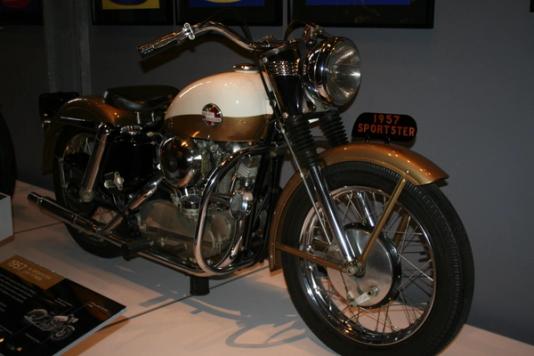
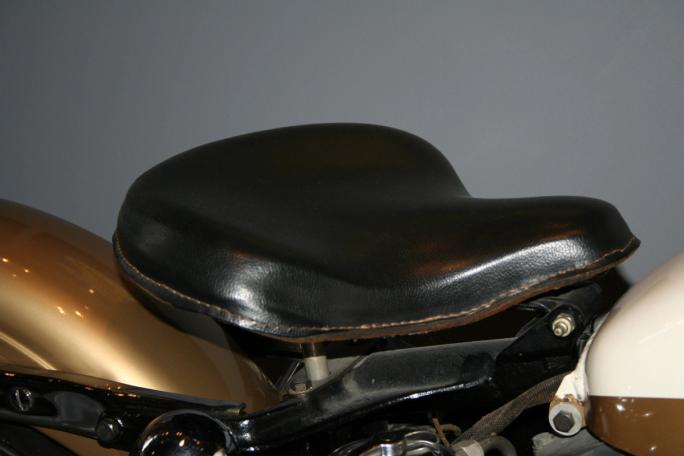
The original Sportster from 1957
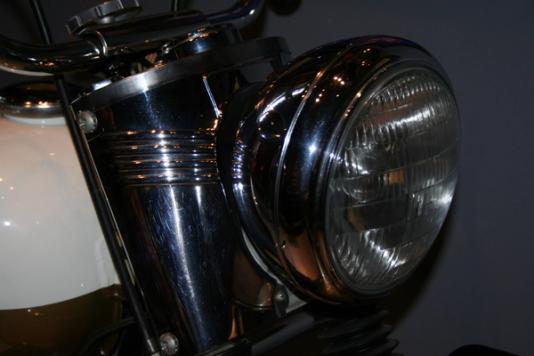
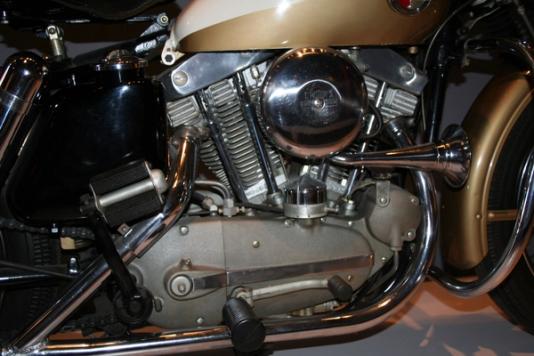
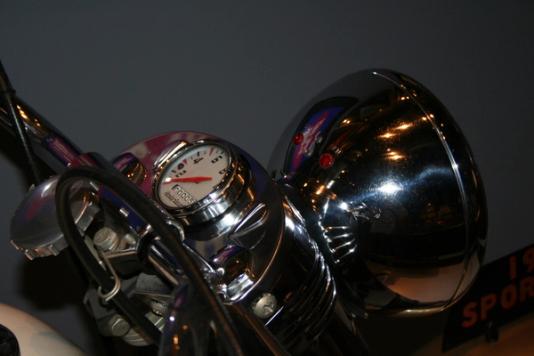
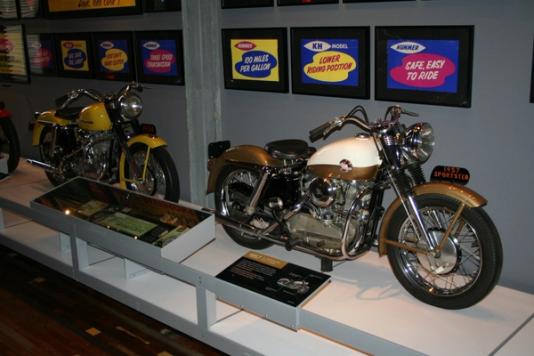
K750 tv and XL750 Sportster th
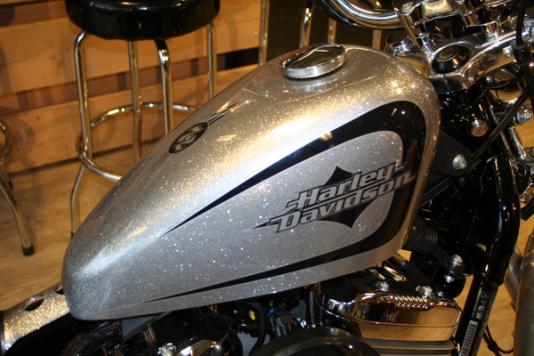
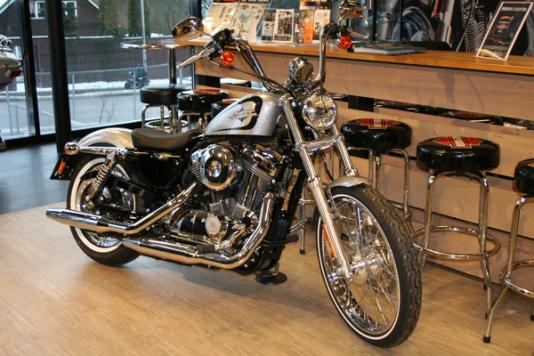
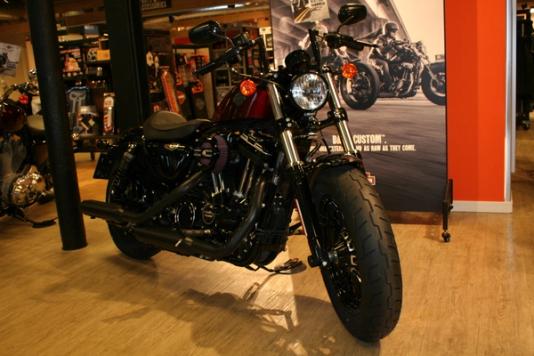
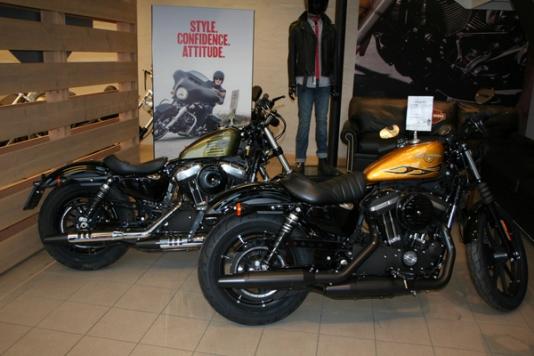
0/0
The history of Harley-Davidson Sportster dates back to 1952. At that time, European motorcycles were taking an ever-increasing share of the gigantic American motorcycle market. The Japanese machines were not yet a real competitor to speak of, as they were still in the starting lineup. However, the English 650cc machines were worth watching out for, as they quickly became troublesome competitors for the wallets of speed-loving young Yankees.
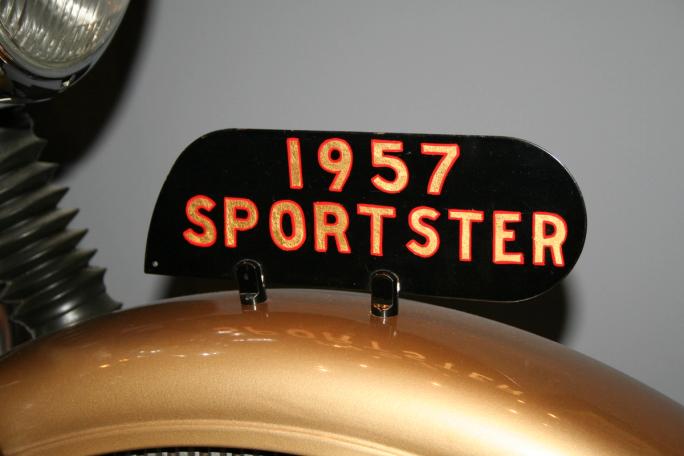
Sportster challenged Triumph
The English motorcycles took an ever-increasing share of the pie, and for Harley-Davidson Triumph in particular became a troublesome competitor. Triumph Thunderbird 650 became almost iconic in the hands of Marlon Brando in the film classic "The Wild One" from 1953. The occasional BSA was also found among younger American motorcycle riders. Harley-Davidson 's large and heavy big-twins were far from the first choice of young American rebels. Something far more vigorous and sporty was needed if these young riders were to become part of the Harley-Davidson customer base.
Elvis Presley's K750 and the Korean War
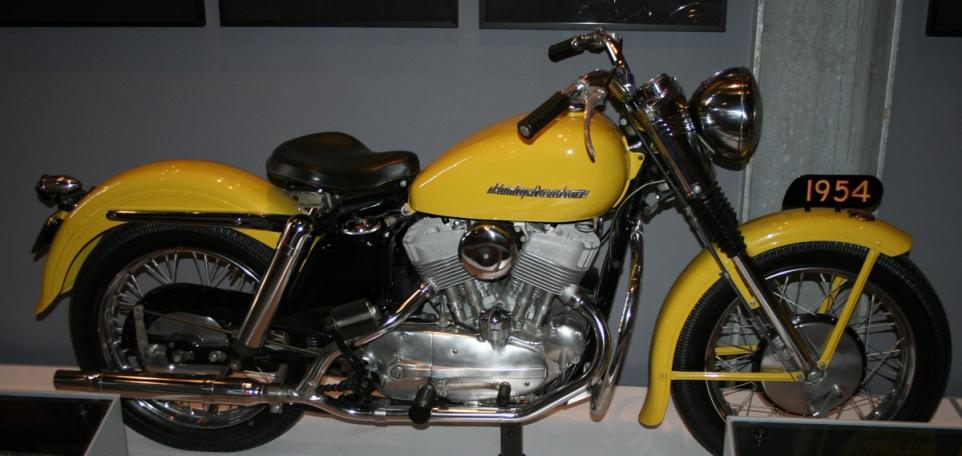
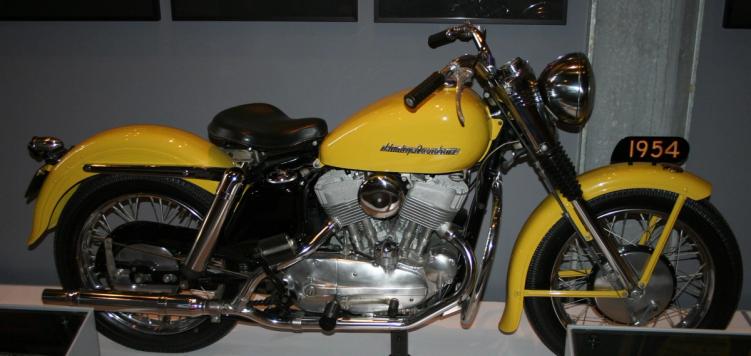
When it was decided to build a new model, much lighter and smaller than the big, heavy 1200cc Panhead, Harley-Davidson already had a good starting point in the 1952 model K750. This was a simple and minimalist model compared to the big 1200cc. The side-ventilated 750cc had an output of 30 hp, which wasn't exactly impressive, but it set a new tone. The telescopic fork gave it significantly better handling than would have been the case with the old springer fork, and the unit engine was also a step towards a more modern design. The rear swingarm, hand-operated clutch and foot shift were also new features worth noting. However, the model got off to a rocky start as the Korean War entered a new and worsening phase, which led to a decline in motorcycle sales in general. But a seed for development had definitely been sown. A few years later, in 1956, the model received a boost from the magazine "The Enthusiast; a magazine for motorcyclists" where Elvis Presley graced the cover, sitting on a 750. The K750 was produced for only 2 years, from 1952-1953. In 1954, the KH750 came, and the engine now had a displacement of 883 cc, with an output of 38 hp. The following year, in 1956, another model in the K series came, the KHK750. It differed from the KH in that it had a black stripe behind the logo on the gas tank, an emblem on the oil tank, and higher handlebars, which gave it a more distinct custom feel.
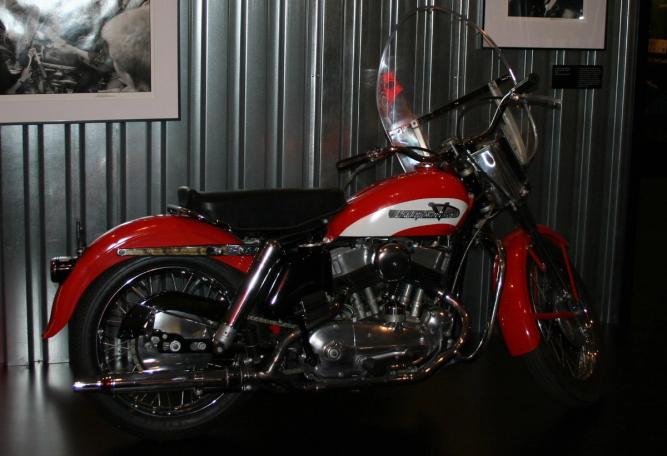
This Harley belonged to Elvis Presley
Sportster first out of the traffic light
In the mid-1950s, interest in the Hot Rod culture would reach new heights throughout the United States. In the automotive community, it was Chevrolet in particular that set the agenda with its new 4.3 liter V8, and the fight to be first out of the traffic lights was on. What about the motorcycle community, did they have anything to do with it? Harley's lead-heavy big-twins were not very suitable in this respect, and those who burned rubber from the rear wheel were often young men in the saddle of a Triumph . Harley-Davidson did not wait long, and it was time for the XL Sportster with 883 cc. The solution was to slide a top-ventilated cylinder block onto the old engine block from the K series. It couldn't have been worse, and now young Americans could pull tight on the green light in the saddle of the iron from Milwaukee.
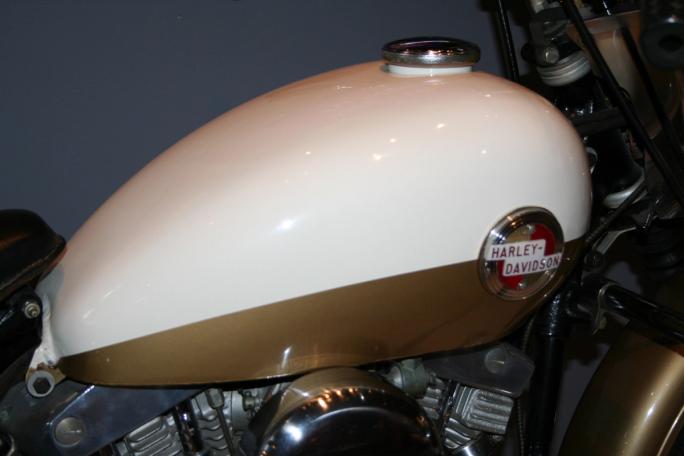
Popular volume seller
The XL would become Harley's biggest volume seller, Harley-Davidson 's management could hardly have imagined. The brand has often been criticized for a lack of innovation and development, but after refining the XL year after year, the model was continuously developed. Some changes were big and visible, others smaller, not easy to see, but still important. Examples of the latter are the use of crank bearings, valve size and the ability to adjust the damping.
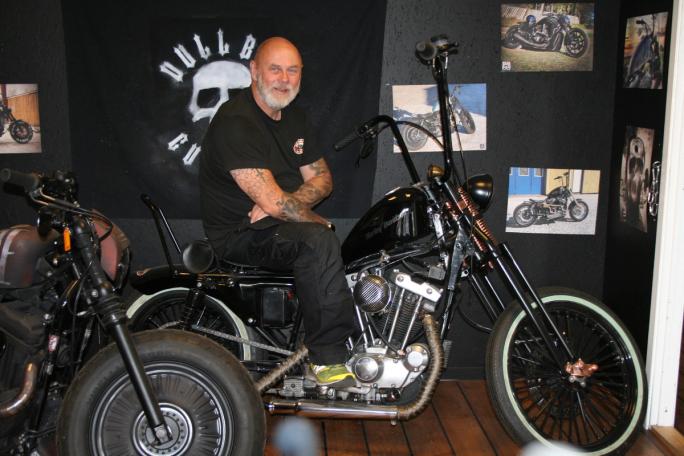
Rune Kristiansen runs MCGarage in Strømmen and has Sportster as his favorite Harley.
Rune Kristiansen runs MCGarage in Strømmen, and Sportster is his favorite.
Milestones in the Sportster's development:
- 1958: Sportster XL gets two new model siblings; the XLH and XLCH. The XLH was delivered with a high-compression engine, and the XLCH was a so-called Competition Scrambler, a model for light off-road riding.
- 1965, XLH: 12 volt electrical system. New logo. Smaller fuel tank.
- 1966, XLCH: Linkert carburetor is replaced by Tillitson carburetor, and together with a sharper camshaft this gives an engine output of 60 hp
- 1967, XLH: Electric starter motor
- 1969, XL: Magneto ignition replaced by coil ignition
- 1971, XL: Dry clutch replaced by wet clutch. Pins moved behind timing cover on right side of engine to better protect against moisture
- 1972, XL: The XL1000 becomes available. The new 61 cubic inch engine produces 61 horsepower, giving the Sportster a top speed of 158 km/h. The upgrade to this engine is an important move by Harley-Davidson to meet increased competition from Japanese motorcycle manufacturers.
- 1973, XL: Front disc brakes as standard, as well as new and improved electronics.
- In 1986, Sportster got the new EVO engine. This was very reliable and easy to maintain.
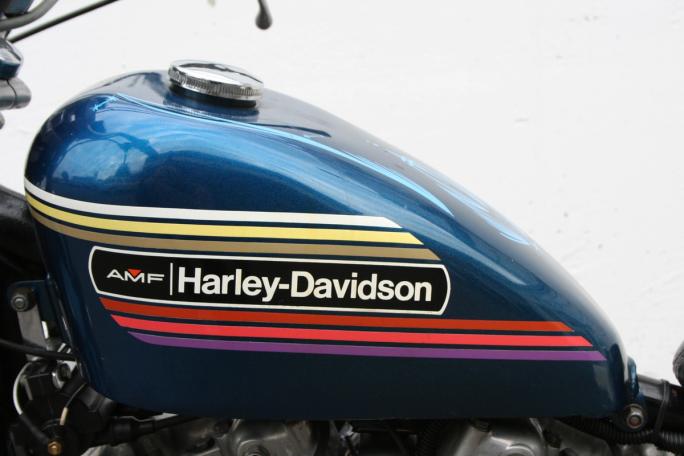
What was it that made Harley-Davidson Sportster so incredibly popular? The answer lies in its simple and robust construction. It was light, fast and incredibly easy to customize. The fact that the model swept the prize tables in drag racing and flat-track naturally appealed to young motorcycle riders who loved speed and excitement. Throughout the model's history, it has been delivered with engines of 883-ccm, 1000-ccm and 1200-ccm.