
Harley-Davidson WL750 w.Steib
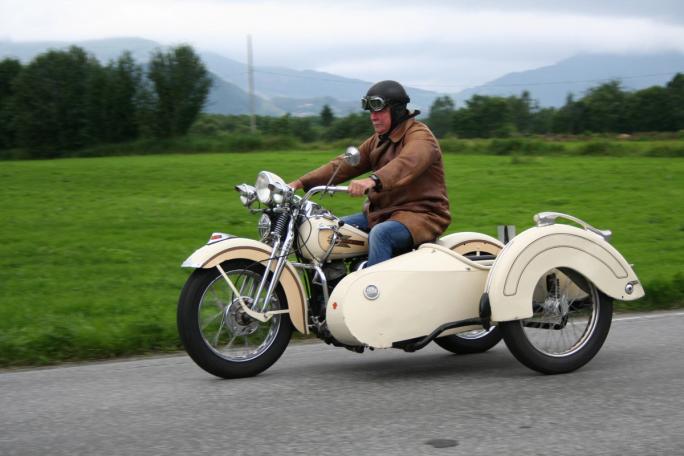
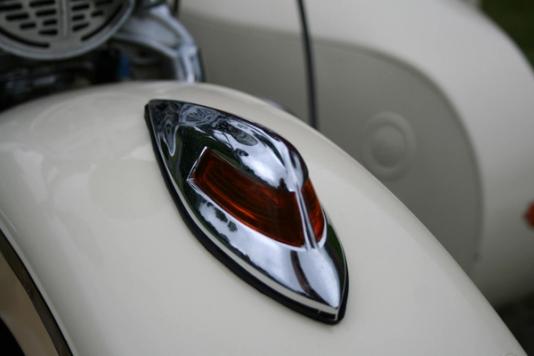
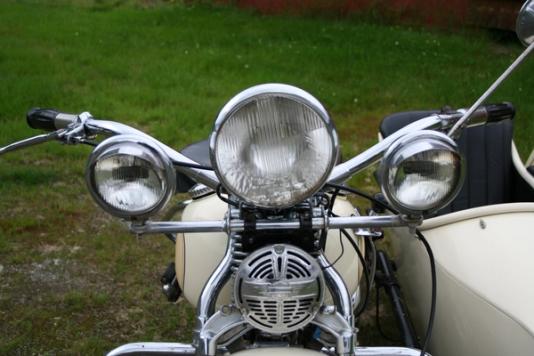
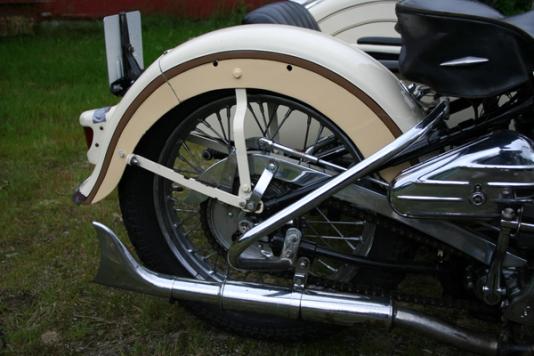
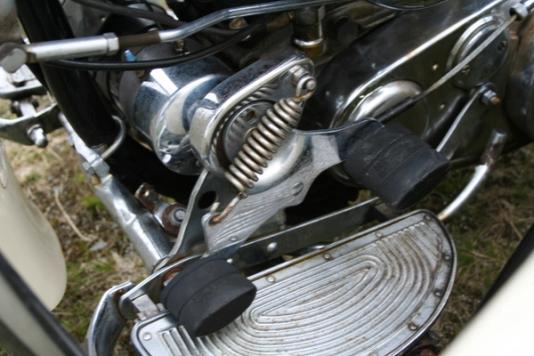
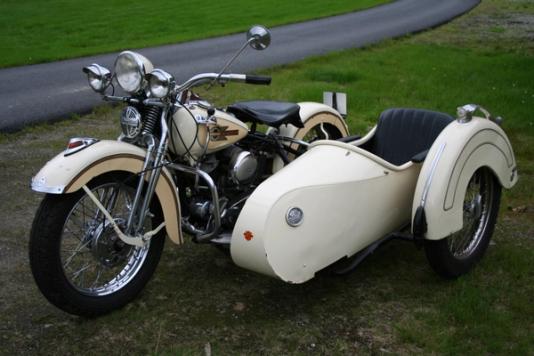
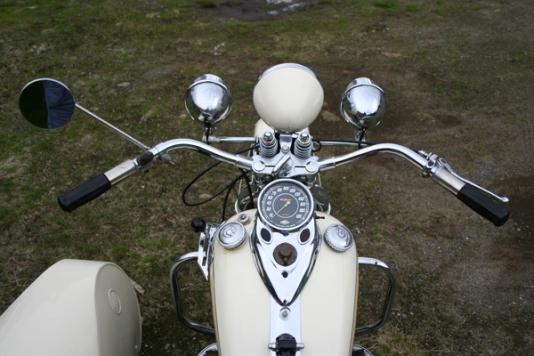
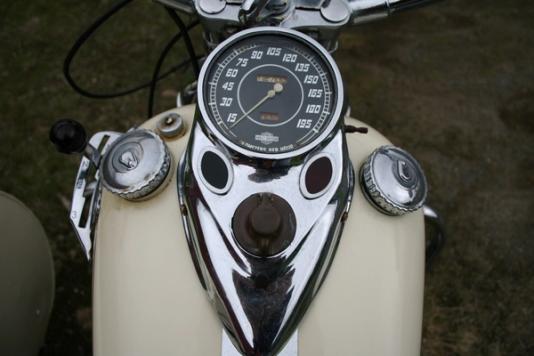
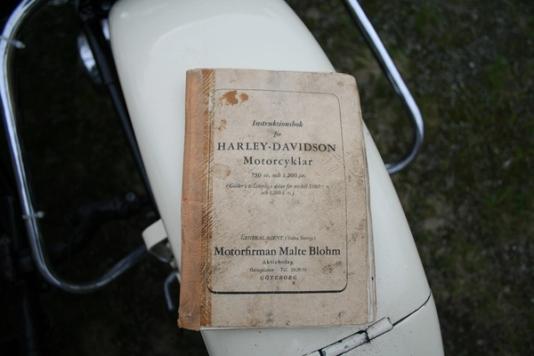
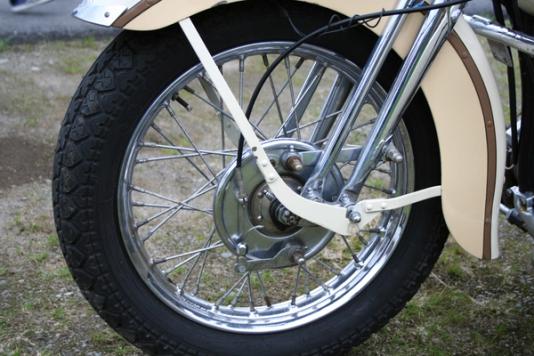
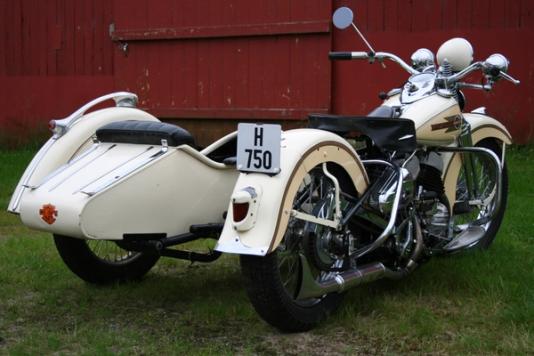
Harley-Davidson WL 750 with Steib carriage
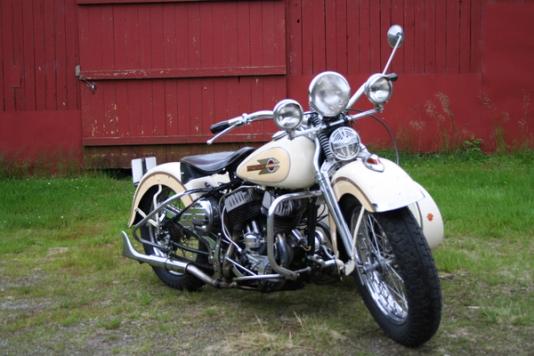
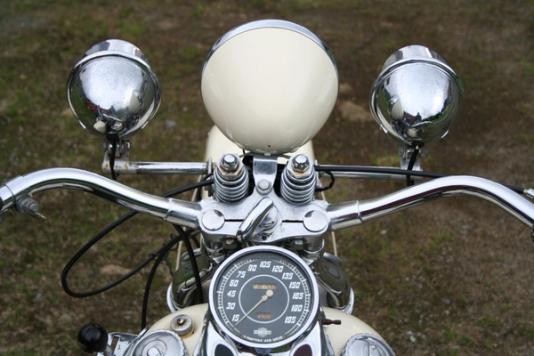
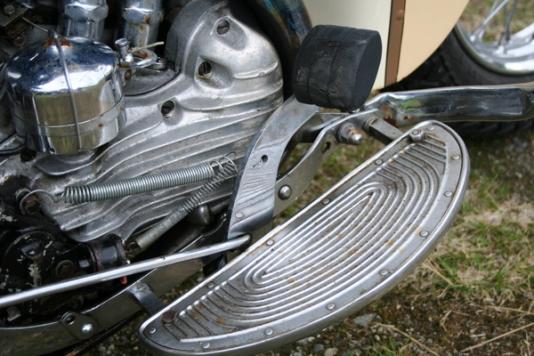
Harley-Davidson WL750 became a very popular model from Milwaukee, and the first vintage of the new 750n was launched in 1937. Keywords describing the newcomer included an upgraded engine and a new, great design.
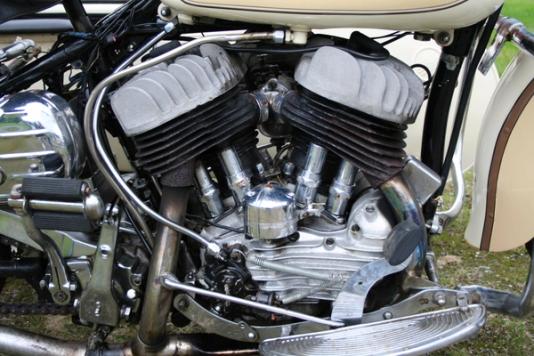
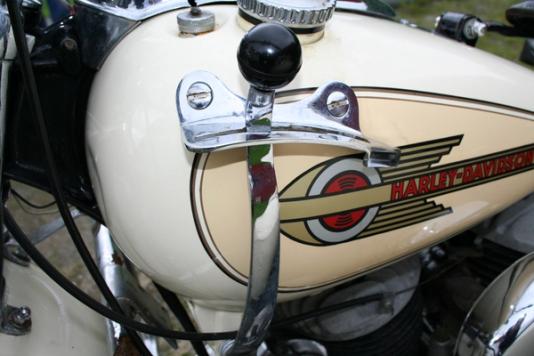
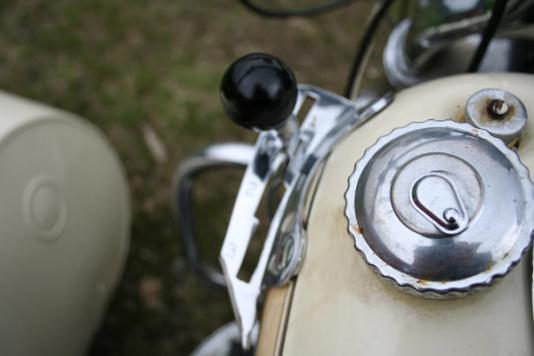
The 750cc side-ventilated twin was very popular, and was well suited to pulling a sidecar. With about 25 hp and a 3-speed gearbox with manual shifting on the petrol tank, the top speed of the WL750 was around 105 km/h. Harley-Davidson produced the engine almost unchanged from 1937-1973, and it was used in the 3-wheeler Harley-Davidson Servi-car, among other things. The WLA 750 also became a very important motorcycle for the Allied forces during World War II, and about 90,000 military copies were produced, divided between the two versions WLA and WLC. When the war ended and American soldiers returned home, many of them bought a WL750. The model was easily available, and the sleek design appealed to young men with a desire for freedom.
Steib
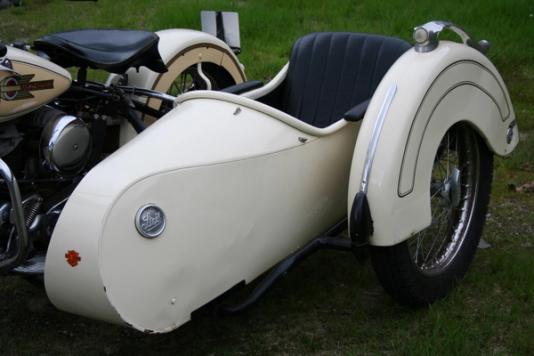
Steib was one of many sidecar manufacturers, and was located in Nuremberg, Germany. The factory made sidecars from the late 1920s until the 1950s. Steib's sidecars were universal, and could therefore be mounted on most motorcycles. Until 1960, motorcycles with sidecars were a popular means of transportation. The equipment could transport up to 4 people, and was far less expensive compared to cars. When the Mini and Fiat 500 came on sale, however, sidecar equipment faced tough competition. The small cars could transport a family of four, dry and safe over longer distances. Eventually, the car completely took over from sidecar bicycles, and most sidecar manufacturers went out of business, with a few exceptions.
0/0