
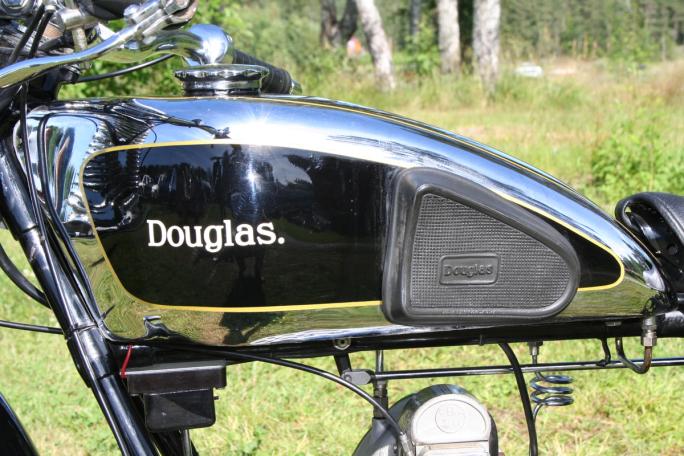
Douglas T6
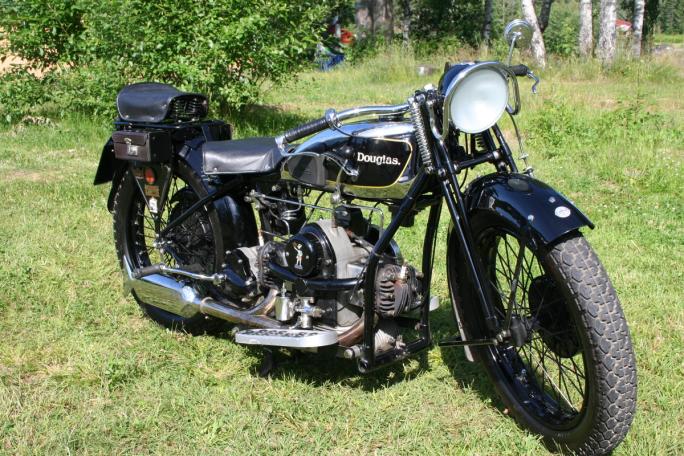
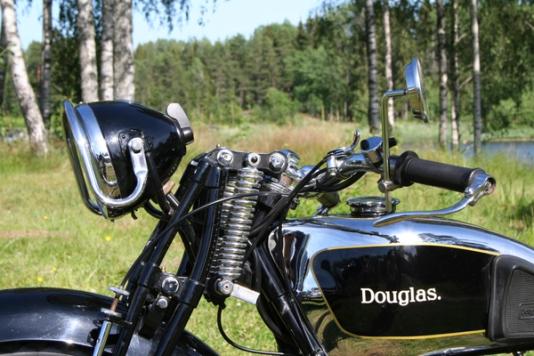
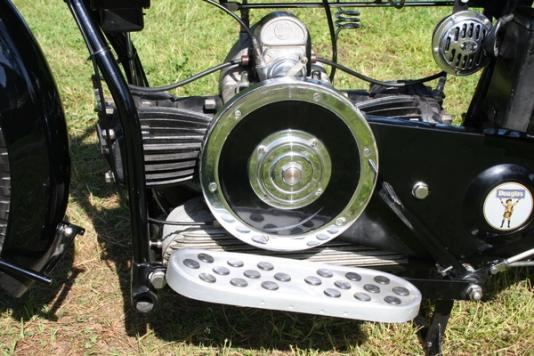
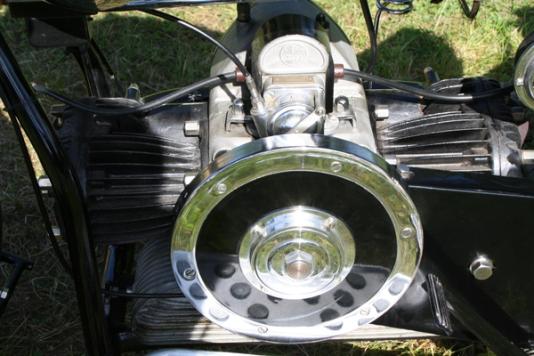
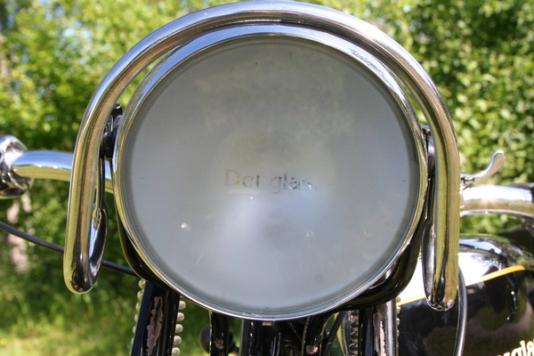
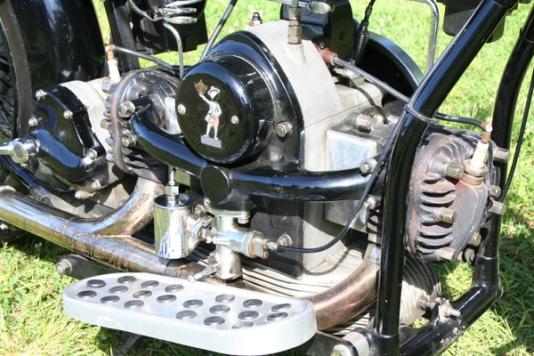
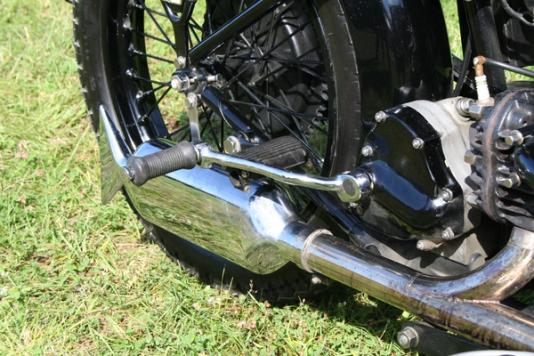
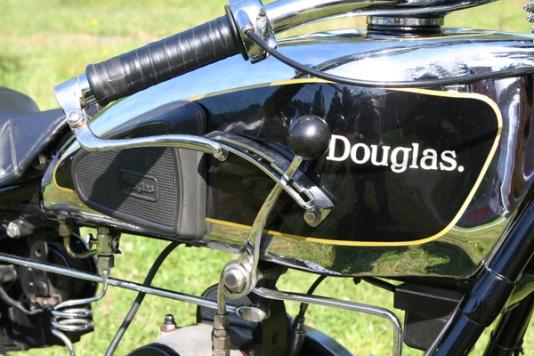
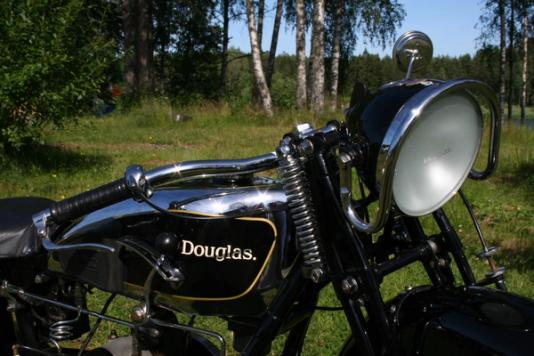
Douglas was established in Bristol in 1882 by William Douglas. However, the first motorcycle to carry the Douglas name on the fuel tank did not appear until 1907. The brand became known for its boxer engines, placed either transversely or longitudinally in the frame, long before other motorcycle manufacturers adopted the same design.
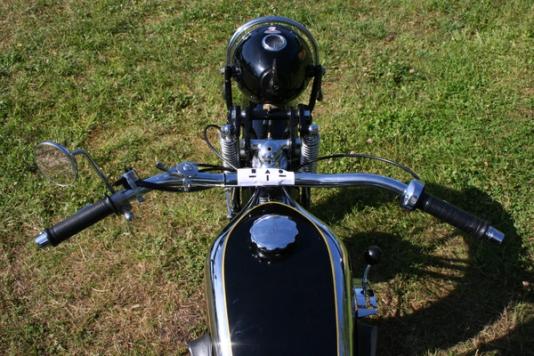
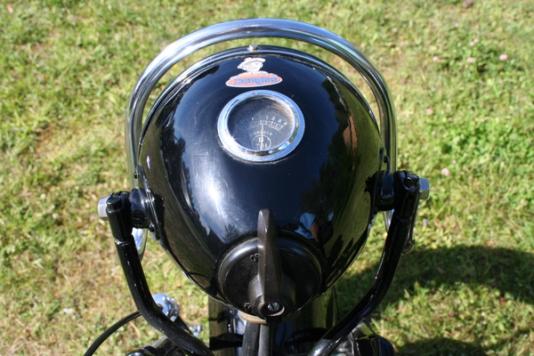
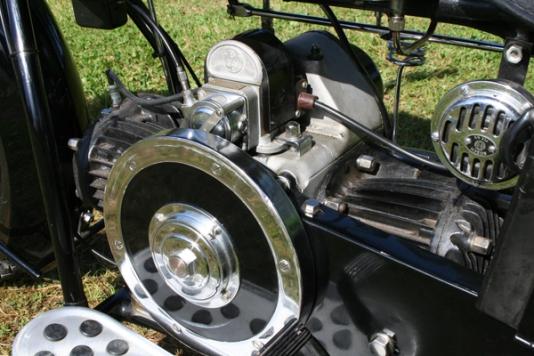
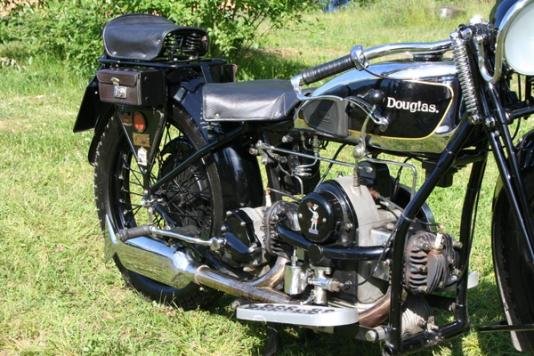
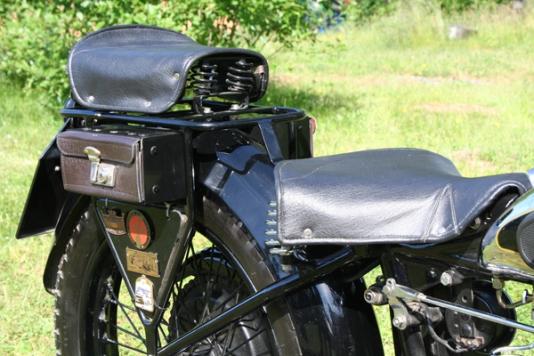
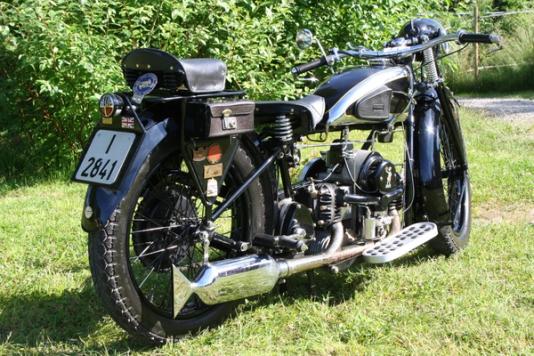
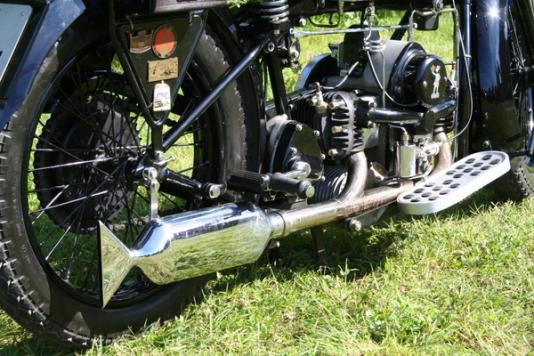
0/0
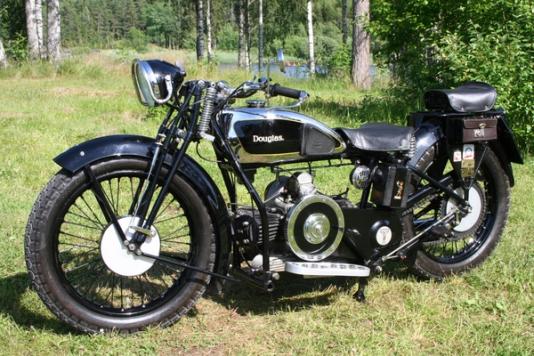
Douglas is undoubtedly one of the few English motorcycle manufacturers that stood out in the crowd of English motorcycle manufacturers. The most prominent feature was, as mentioned, the use of boxer engines, mounted either transversely or longitudinally in the frame. In-line flat twin or transverse flat-twin in relatively low frames made the brand easily recognizable. Now both Harley-Davidson BMW and others have used this type of engine, but Douglas was among the first to use this solution in motorcycles.
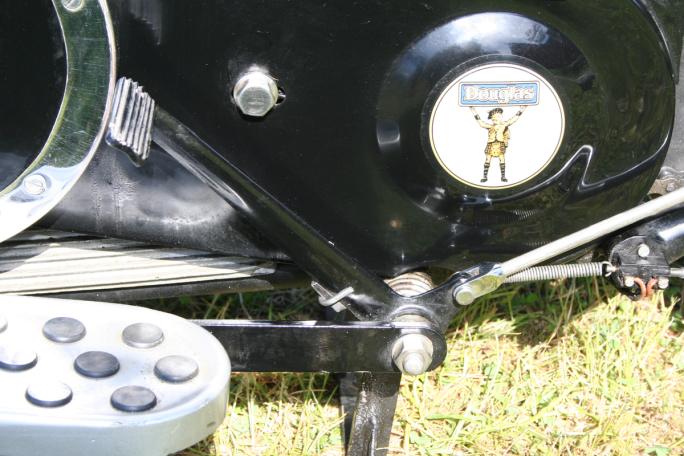
Around the world on Douglas
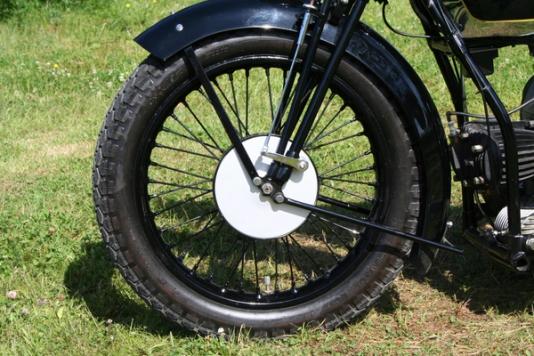
From its inception in 1907 until its liquidation in 1957, Douglas went through a series of turbulent events. The brand's history is like a roller coaster of more or less predictable events. Bankruptcies, fires, tax challenges, family feuds and acquisitions are part of this story. At the same time, Douglas experienced success in several areas. In 1922, Douglas set a speed record for motorcycles with a displacement of up to 500 cubic centimeters with a speed of 160 km/h. The brand also placed itself in the lead during the TT races on the Isle of Man, and in 1933, Douglas was on everyone's lips as the brand that had brought rider Robert Fulton Jr. around the world on a motorcycle. Douglas also made a very good name for itself in dirt tracks and speedways. The low center of gravity was one of the advantages of Douglas machines. Douglas was also one of the first motorcycle manufacturers to develop disc brakes for motorcycles as early as 1920.
Licensed production of Vespa
By the start of the 1950s, Douglas' sales figures were steadily declining. The boxer engine concept was no longer a hit, and in competition with BSA and especially Triumph they were losing ground. Triumph's sportier models such as Thunderbird and Speed Twin were both faster, more elegant in design and last but not least cheaper. Douglas eventually stopped producing motorcycles in favor of licensed production of Vespa scooters, and in 1955 the last motorcycle from Bristol came, the Douglas Dragonfly, which was produced until 1957.
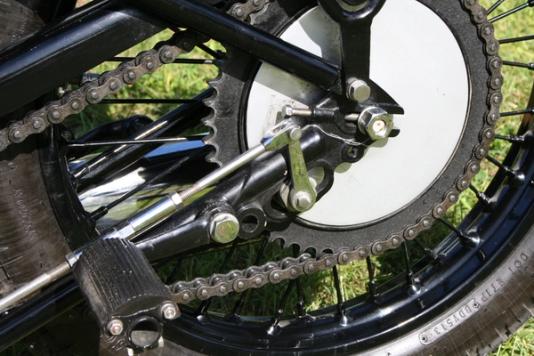
Technical data Douglas T6, 1930 model:
Engine: 2-cylinder 4-stroke, inline flat-twin
Displacement: 596 cc
Front tire: 3.30 x 26
Rear tire: 3.50 x 26
Weight: 140 kg
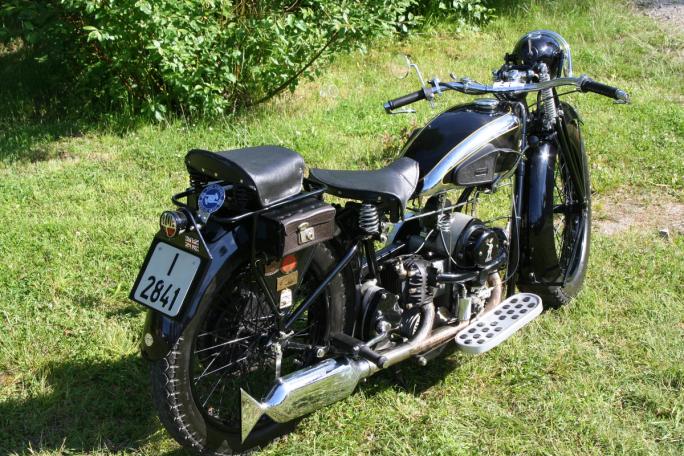
Douglas manufactured motorcycles in England from 1907-1957