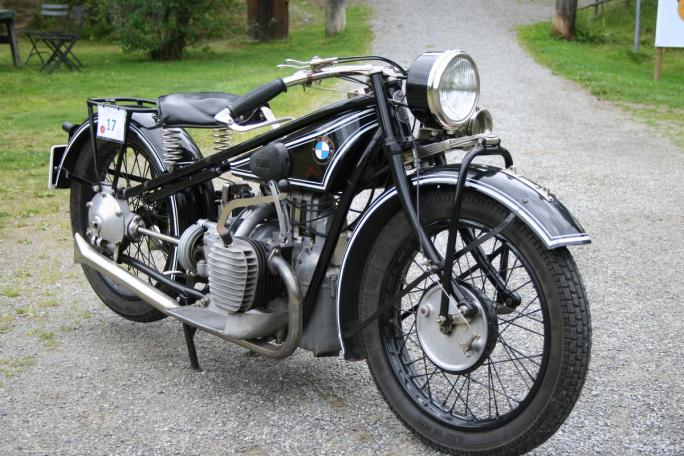
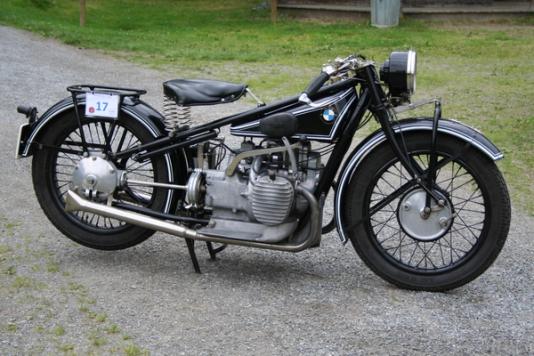
BMW R52
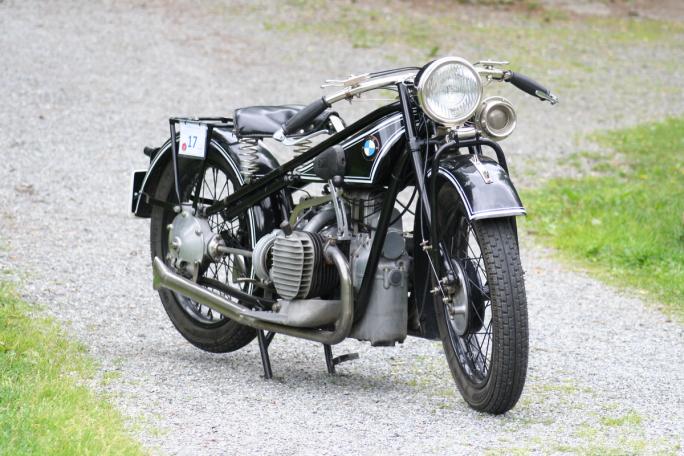
The Max Fritz R32, which was unveiled in Paris in 1923, was the starting point for BMW's motorcycle production. Few brands and models have been blessed with the success that the R series was to achieve, and which will celebrate its 100th anniversary in 2023. And the R is still going strong!
0/0
To say that BMW motorcycles are a direct result, or product if you will, of the terms of the Treaty of Versailles is probably not too far from the truth. The factory, which was located in Bavaria, manufactured aircraft engines, but when Germany was left as the loser of World War I, the German aircraft industry, among other things, was subject to strict restrictions. The same applied to the German military, and with the air force literally grounded, BMW had to look for new legs to stand on. One of these legs was the production of motorcycles.
Paris 1923
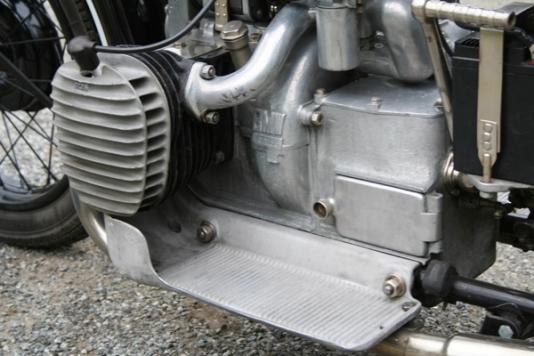
Max Fritz was a skilled engineer and his interest in motorcycles resulted in BMW R32 which debuted in Paris in 1923. Fritz had experimented with a self-designed boxer engine which he placed longitudinally in a Victoria motorcycle. Fritz's boss also drove a British Douglas, a manufacturer that used boxer engines in its motorcycles.
Boxer twin
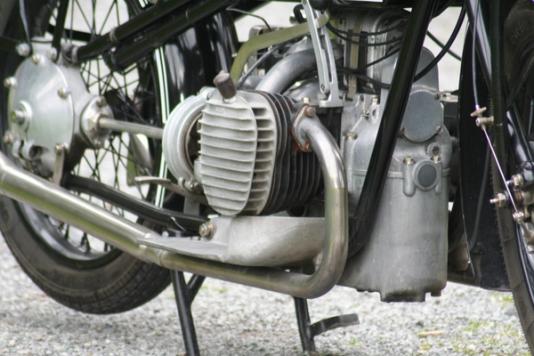
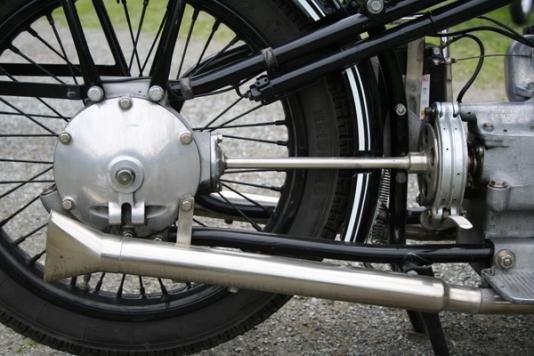
He gained useful experience with this vehicle, but when the R32 was ready, it was a far more sophisticated and technically advanced motorcycle compared to the aforementioned machines. The concept of the transverse boxer engine with shaft drive worked very well, and would be what gave BMW the distinctive character for which the R series became known, a model series that celebrated its 100th anniversary in 2023. Talk about a formula for success!
Tubular frame and flat fuel tank
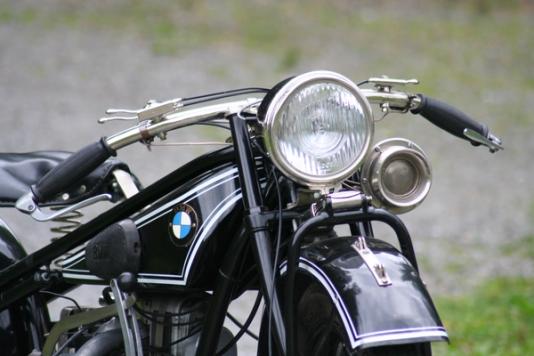
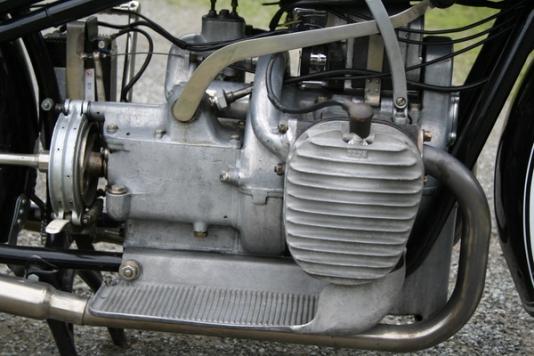
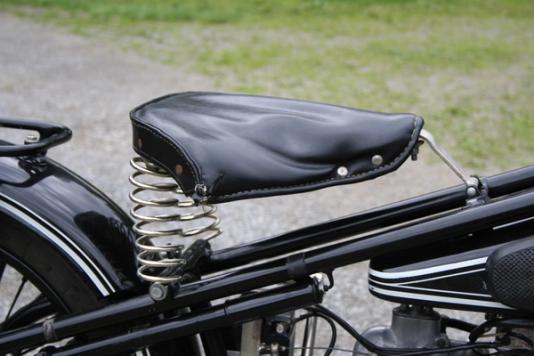
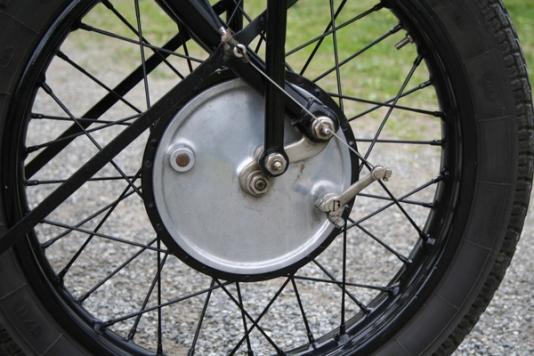
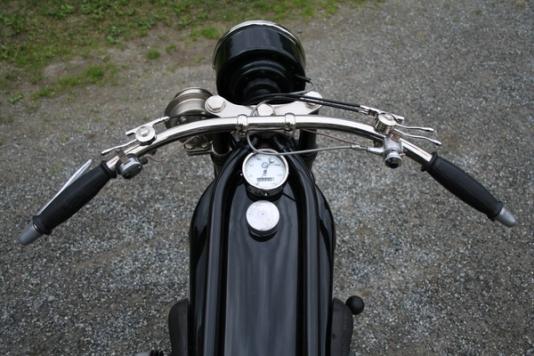
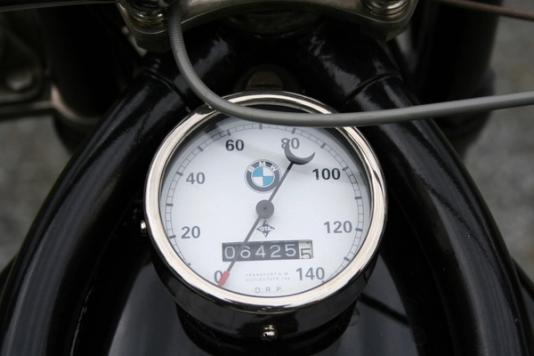
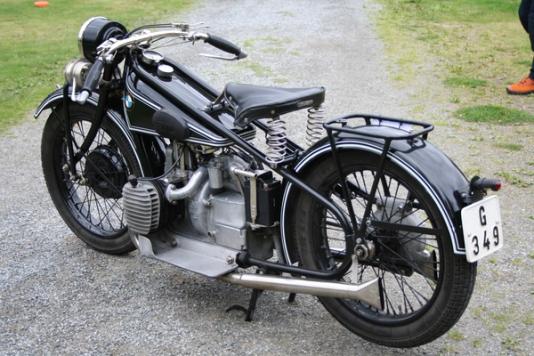
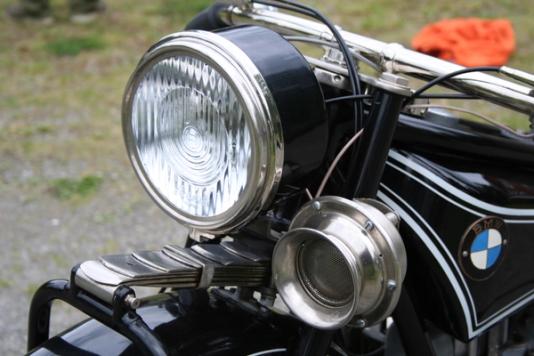
In addition to the models with boxer engines, BMW also produced motorcycles with 1-cylinder 4-stroke engines. Common to both the single and boxer models was the tubular frame that was used from the start in 1923 until 1929, and the same applied to the flat petrol tank that hung under the frame. The R52 was produced in 1928-1929, was the first motorcycle from BMW with electric lights as standard equipment, and the last in the series with a flat petrol tank and tubular frame. New features on the R52 included the gear lever that went directly into the gearbox, which gave more precise gear shifting, and the kick pedal that was now located at the rear of the engine.
Pressed steel frames
From 1929, BMW switched to using pressed steel profile frames, something that German motorcycle manufacturers were pretty much the only ones to produce. When the R52 went out of production in 1929, this marked the end of the first chapter in BMW's history as a motorcycle manufacturer. The new series of motorcycles with the new design, often referred to as "Teutonic", a term that has been used to characterize what was typically German, opened up the second chapter in motorcycle production. The rest of the story is well known. As a curiosity, we can remind ourselves that today BMW is the only one that produces both cars and motorcycles under the same brand and logo.
Technical data BMW R52, 1929 model:
Engine: 2-cylinder 4-stroke, side-ventilated boxer engine
Displacement: 486 cc
Compression: 5.1:1
Carburetor: 22 mm BMW Spezial
Power: 12 hp at 3400 rpm.
Ignition system: magneto
No. of gears: 3
Weight: 152 kg
Tank: 12.5 liters
Top speed: 100 km/h